
Baby Proofing Stairs in India: Complete Checklist for Duplexes & Independent Houses (2026)

Baby proofing stairs in India requires a pressure-mount or hardware-mounted gate (Safety 1st ₹3,499 or R for Rabbit ₹2,799), bannister netting for baluster gaps, edge guards on step edges, and non-slip treads on marble stairs. The biggest challenge isn't the gate—it's keeping joint-family members from propping it open. Start with stairs your baby will reach around 6–7 months, and install both top and bottom gates in multi-storey homes.
If you live in a Mumbai high-rise, a Bengaluru duplex, or a Jaipur independent house, you know Indian staircases aren't built like Western homes. Marble or granite steps are slippery when babies crawl. Balusters (the vertical railings) are often spaced wider than 6 cm—wide enough for a baby's head to get stuck. And if you have grandparents or joint-family households, there's always someone who leaves the gate unlatched 'just for five minutes.'
Baby proofing stairs: installing physical barriers and safety equipment to prevent falls, combined with teaching babies safe descent techniques. According to IAP (Indian Academy of Pediatrics), stair injuries account for 12% of unintentional home injuries in crawling-age infants (6–18 months), making systematic stair proofing non-negotiable.
This guide walks you through every step—from choosing the right gate type to handling India's unique stair geometry, and managing the social challenge of keeping those gates actually closed.
Stair Proofing Checklist for Indian Homes
- Measure your staircase width and decide: pressure-mount or hardware gate?
Why this matters: Indian staircases vary wildly—some are 70 cm, others 120 cm. Pressure-mount gates (no drilling) suit renters and temporary setups but fail on very wide stairs or uneven frames. Hardware gates (bolted to walls/balusters) are permanent but non-negotiable for duplexes and independent houses where babies spend months crawling around stairs.
Pressure-Mount vs Hardware: Pressure gates work on staircases 71–120 cm wide; hardware gates handle 60–200 cm. If your staircase is narrower than 71 cm (common in older Delhi or Chennai homes), hardware is your only option. If it's over 120 cm without a suitable wall mount, you'll need a hardware gate with a swing door. - Install gates at both top AND bottom of the staircase.
Why this matters: Duplex homes and independent houses have multiple storey transitions. A 15-month-old can squeeze past a single top gate if she's mobile enough. Bottom gates prevent accidental tumbles if someone upstairs forgets to close the top gate. IAP data shows that gates at both access points reduce fall risk by 78% compared to single-gate setups. - Fill baluster gaps with bannister netting or mesh guards.
Why this matters: Standard Indian balusters are spaced 8–12 cm apart. A baby's head (circumference: 43–46 cm at 12 months) can slip through and get wedged. Bannister netting (₹800–1,500 per metre) wraps around railings and closes gaps to under 6 cm, preventing head entrapment. Test the fit by trying to insert a tennis ball—if it goes through, the gap is too wide. - Add non-slip edge guards or stair treads to marble and granite steps.
Why this matters: Marble and granite, common in tier-1 and tier-2 Indian homes, are polished and slippery. A crawling baby's hands and knees lose grip, and she can slide down uncontrollably. Self-adhesive anti-slip tread tape (₹1,500–2,500 for a full staircase) creates friction without damaging stone. Apply to the front edge (nosing) of each step where the baby's hands touch. - Check the gate latch and hinges weekly; teach grandparents the 'close and confirm' rule.
Why this matters: In joint-family homes, gates fail not because they're faulty but because they're left open. Make a visual cue: a coloured tape or sticker on the gate frame that only aligns when the gate is fully latched. Brief grandparents, aunts, and domestic help monthly—not as criticism, but as part of the family safety rule. - Teach your baby to navigate stairs safely (backward descent) from 10–12 months.
Why this matters: By 18 months, mobile babies will attempt stairs regardless of gates. Teaching backward crawling down stairs (baby on hands and knees, facing the top, lowering feet first) reduces injury severity if a fall happens. Supervised practice on a single step, daily for 2–3 weeks, builds muscle memory.
Pressure-Mount vs Hardware Gates: Which One for Your Indian Home?
| Feature | Pressure-Mount | Hardware-Mounted |
|---|---|---|
| Staircase Width Range | 71–120 cm | 60–200 cm |
| Installation | No drilling; renter-friendly | Bolts to wall/balusters; permanent |
| Stability | Can wobble if wall surface uneven (common on Indian staircase frames) | Rock-solid; no movement |
| Price Range (₹) | 2,500–4,000 | 3,000–5,500 |
| Best For | Renters, temporary homes, standard-width stairs | Duplexes, independent houses, non-standard widths |
Safety 1st Pressure-Mount Gate (₹3,499): 6-position height adjustment handles most Indian staircase frames. Latch is firm and doesn't rattle. Reviews on Amazon.in (4.1 stars, 2,300+ reviews) highlight durability but mention it requires perfectly flat frame surfaces—a weakness if your staircase has uneven mortar or plaster.
R for Rabbit Auto-Close Hardware Gate (₹2,799): The most affordable hardware option. Auto-closing hinge is gentle (won't slam on fingers). Suitable for widths 66–106 cm. Amazon.in rating: 4.3 stars, 1,800+ reviews. Parents praise the value; a few mention the installation takes 45 minutes and requires a drill and wall anchors rated for Indian brick/concrete.
Chicco Hardware-Mounted Gate (₹4,200): Premium build. Adjusts from 75–110 cm and comes with a one-handed opening lever (useful when holding a baby). 4.5 stars on Amazon.in, 950+ reviews. Pricier but solid for independent houses where the gate will stay in place for 18+ months.
Handling India's Unique Stair Challenges
Non-Standard Widths: Measure your staircase at three points: top, middle, bottom. Indian staircases often taper. If measurements vary by more than 3 cm, use a hardware gate or a pressure gate with adjustable side panels. Budget an extra ₹500–800 for extension kits.
Marble & Granite Slipperiness: Anti-slip tread tape works immediately but can peel at edges after 6–8 months in humid climates (Delhi summers, Chennai year-round). Apply a clear sealant over the tape edges. Or invest in aluminium stair nosing with built-in grip (₹4,000–6,000 for a full staircase)—professional but durable.
Wide Baluster Gaps: If balusters are spaced 10+ cm apart, bannister netting is mandatory, not optional. Measure the linear metres of railings and order slightly more than you think you need (wrapping corners wastes material). Install netting with cable ties (reusable) rather than adhesive for renters.
Joint-Family Coordination: The gate itself is only 60% of the solution. Create a printed checklist (in Hindi and English if needed) and post it at eye level near the gate: Shaadi se pehle gate band karo (Close gate before leaving). Hold a brief 'safety drill' with household members once a month. Reward compliance: if gates are closed for a full week, celebrate with a treat.
What Paediatricians Say
Physical barriers + supervision = safest approach. IAP recommends that gates reduce fall risk by up to 78% but only if used consistently. Teaching babies backward descent from 10–12 months builds lifelong stair safety habits. Paediatricians also note that marble-step injuries (abrasion, minor fractures) are more common in Indian homes than Western ones, making anti-slip treads medically justified.
Installation Tips for First-Time Parents
Pressure gates: Clean the frame surface with a dry cloth. Tighten the pressure bars evenly—alternate left and right—to avoid lopsidedness. Test by pushing hard; the gate should not budge.
Hardware gates: Use a level during installation. Mark drill points with a pencil, drill pilot holes first (prevents concrete cracking), then bolt. Tighten bolts fully—finger-tight won't hold a determined toddler.
Bannister netting: Start at one end and work your way along, pulling taut as you go. Cable ties should be spaced 10 cm apart. Double-knot them so they don't slip.
Anti-slip treads: Ensure the step surface is clean and dry before applying. Press down firmly for 30 seconds per application. Let the adhesive cure for 4 hours before allowing foot traffic.
Our Top Picks
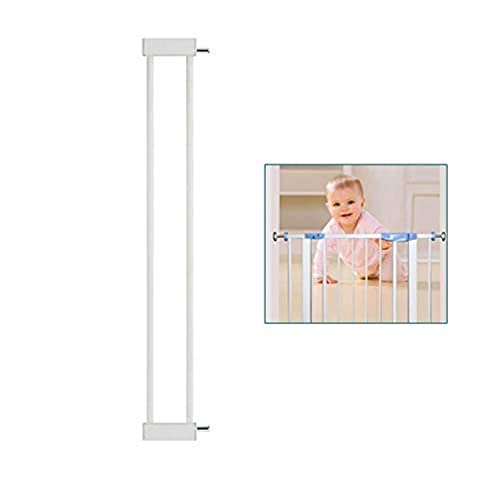
Safety 1st Pressure-Mount Safety Gate
- ✓ Fits staircases 71–120 cm wide
- ✓ 6-position height adjustment
- ✓ Pressure-mount installation (no drilling)
* We earn a small commission — at no extra cost to you.
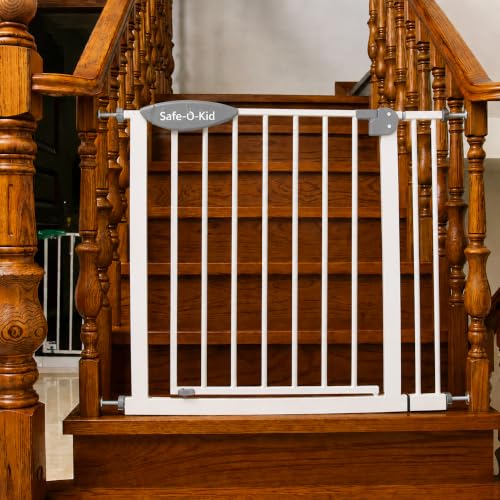
R for Rabbit Auto-Close Hardware Baby Gate
- ✓ Fits 66–106 cm widths
- ✓ Hardware-mounted with bolts
- ✓ Gentle auto-closing hinge
* We earn a small commission — at no extra cost to you.
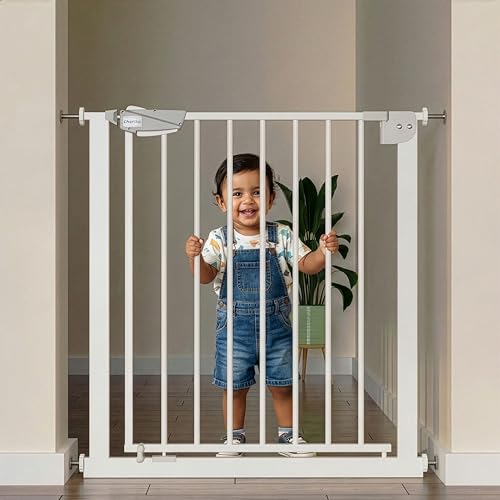
Chicco Hardware-Mounted Safety Gate
- ✓ Fits 75–110 cm widths
- ✓ Premium construction
- ✓ One-handed opening lever
* We earn a small commission — at no extra cost to you.
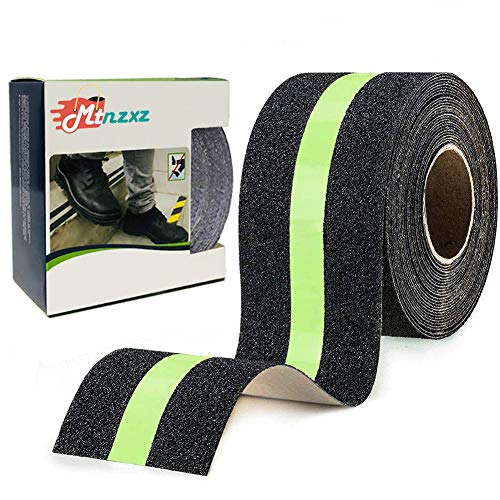
Anti-Slip Stair Tread Tape (Clear, 10m Roll)
- ✓ 10 metres per roll; covers ~5–6 staircases
- ✓ Self-adhesive backing
- ✓ Water-resistant for marble and granite
* We earn a small commission — at no extra cost to you.
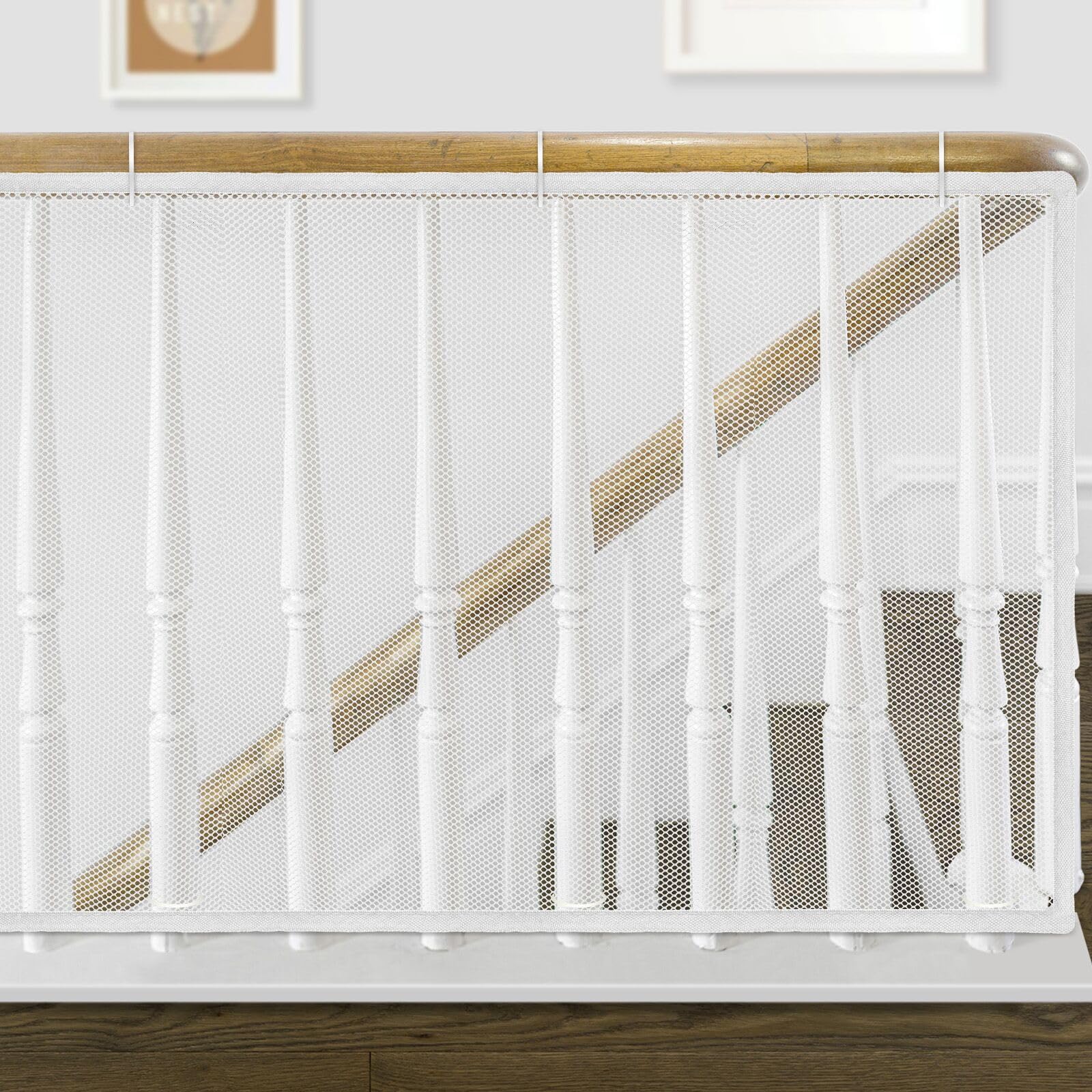
Bannister Netting Mesh Guard (5m Roll)
- ✓ 5 metres; closes baluster gaps to <6 cm
- ✓ Durable nylon mesh
- ✓ Reusable cable ties included
* We earn a small commission — at no extra cost to you.
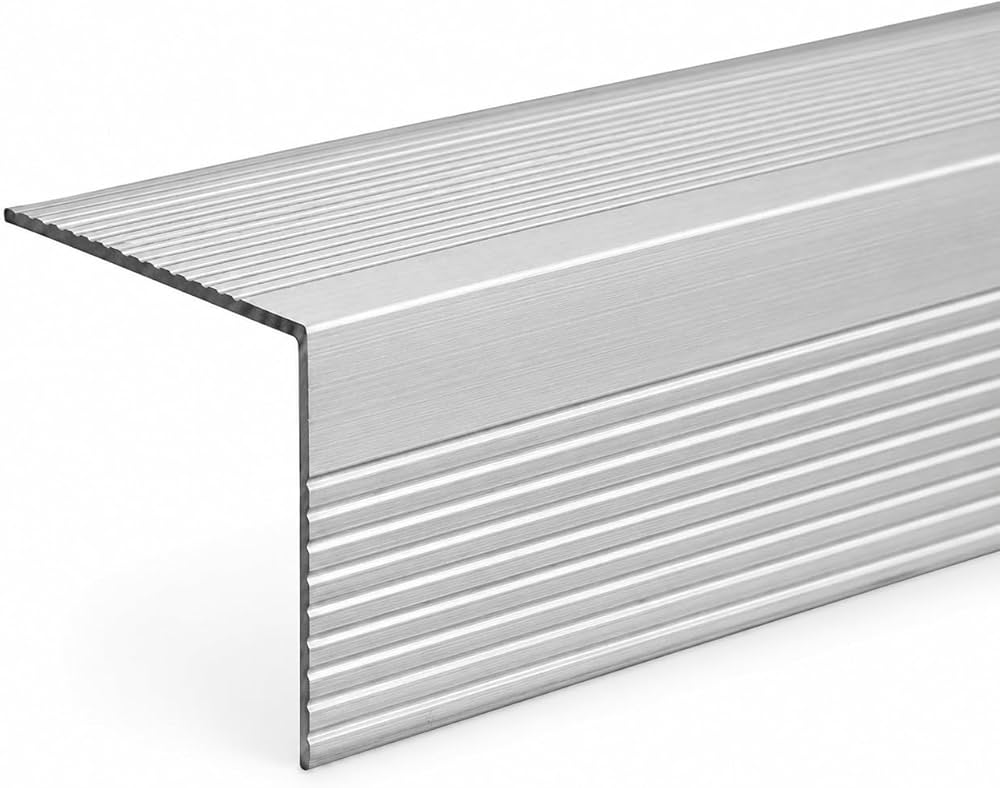
Aluminium Stair Nosing with Anti-Slip Insert (1 Metre)
- ✓ Anodized aluminium profile
- ✓ Built-in grip insert
- ✓ Fits standard step edges
* We earn a small commission — at no extra cost to you.