
Baby-Proofing Bathroom Checklist for Indian Homes: Room-by-Room Safety Guide (2026)
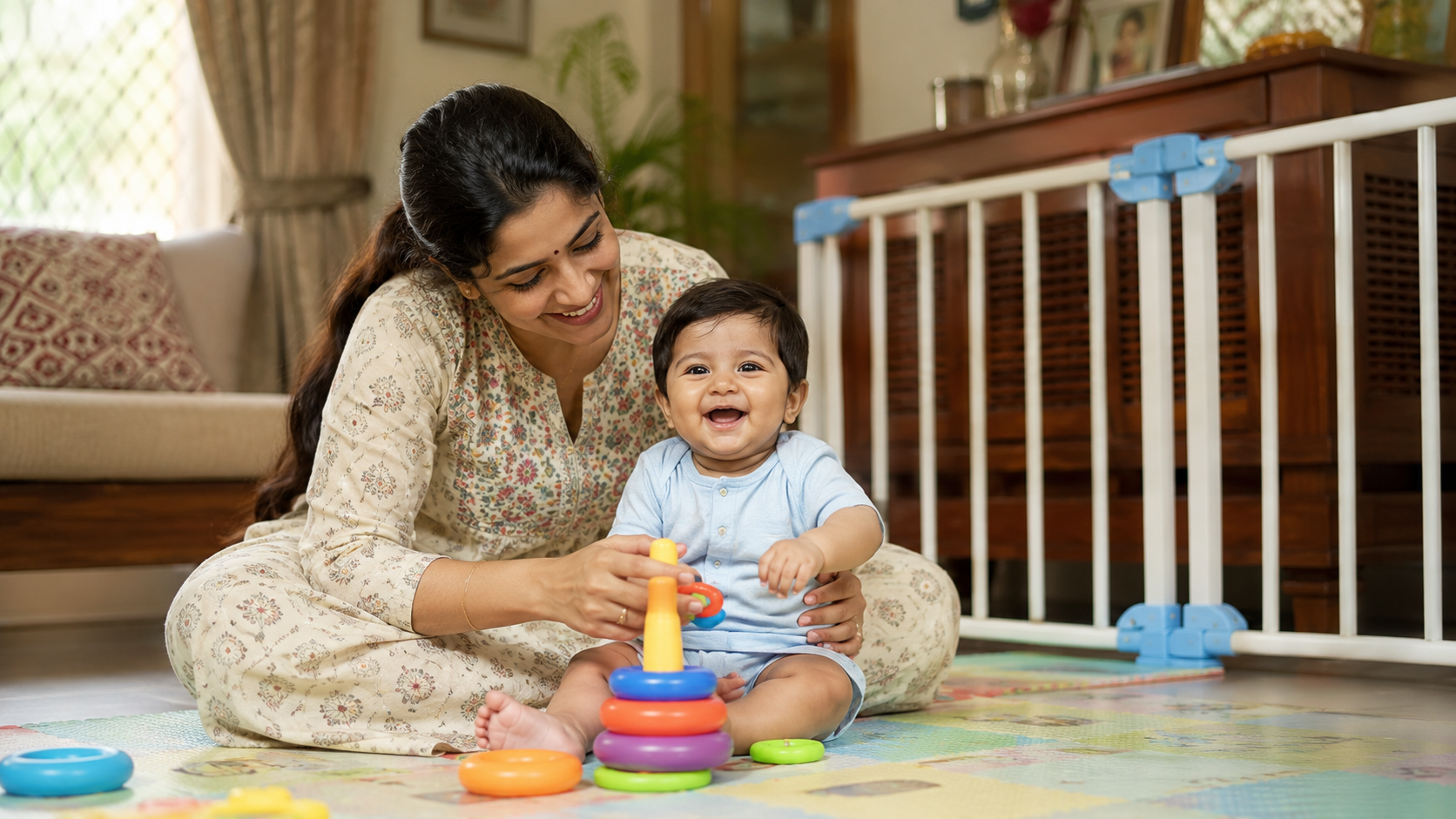
Baby-proof your Indian bathroom by installing anti-slip mats on wet tiles, locking toilet seats, covering open buckets, securing cleaning product storage, and fitting tap covers. For crawlers and toddlers (8-18 months), focus on floor-level hazards since Indian bathrooms have unique risks like low floor taps, open buckets, and corrosive products stored within arm's reach.
Your bathroom is one of the most dangerous rooms in an Indian home for a crawling baby. Unlike bedrooms or living spaces, bathrooms combine water hazards, slippery surfaces, toxic chemicals, and sharp fixtures—all at a baby's eye level. If your little one is between 8-18 months and moving around independently, this is the time to act. A slip on wet tiles, access to Harpic or Lizol, or a head-first tumble into an open bucket can happen in seconds. This baby-proofing bathroom India checklist covers every real hazard parents face in tier-1 and tier-2 cities, with specific product recommendations and installation tips tailored to Indian homes.
We've researched the most effective safety products available on Amazon.in, from anti-slip mats starting at Rs. 350 to toilet seat locks under Rs. 300. Below is a practical, room-by-room breakdown that works whether you're in Mumbai, Delhi, Bengaluru, or Jaipur.
Baby-Proofing Bathroom Checklist for Indian Homes
Install Anti-Slip Mats on Bathroom Tiles
Indian bathroom tiles are notoriously slippery when wet, and a crawling baby can lose their footing and hit their head hard. Place anti-slip mats (starting at Rs. 350) in high-traffic areas: directly in front of the tap/wash area, in the shower zone, and near the door. Look for mats with strong suction cups that grip both wet tiles and cement floors. PVC-based or rubber mats work best on Indian tile types.
Lock the Toilet Seat with a Childproof Lock
Toilets are a classic drowning hazard for crawlers, and many Indian homes have western-style commodes at standard height. A toilet seat lock (Rs. 250–280) requires two hands to open, making it impossible for a baby to flip the lid. Install it securely using the hinges. Test it multiple times before you consider it done—a weak installation defeats the purpose.
Cover or Lock Open Buckets
This is critical and specific to Indian households. Open plastic or metal buckets used for storing water are a drowning risk. A baby can fall head-first into just 15 cm of water. Use bucket covers (Rs. 180–220) or store buckets in a cupboard your baby cannot access. If you use a large overhead tank, ensure the lid is secure and out of reach.
Secure All Cleaning Products in a Locked Cabinet
Harpic, Lizol, bleach, and floor cleaners are highly corrosive. Store them in a locked cabinet at least 1.5 metres off the ground, away from the toilet and wash area. A childproof cabinet lock (Rs. 200–350) is a small price for safety. Never leave these products on the bathroom floor, even for a few minutes.
Install Tap Covers on Floor-Level Taps
Many Indian bathrooms have low floor taps (called floor-level or low-mounted taps), which are perfect for a baby to pull, twist, or bang their head on. Soft silicone or foam tap covers (Rs. 200–300) protect against head injuries and reduce burn risk if hot water suddenly flows. Test the cover to ensure it doesn't block the tap's function entirely.
Add Door Locks and Prevent Toilet Paper Unravelling
Install a child-proof door handle lock (Rs. 250–400) on the outside of the bathroom door so your baby cannot lock themselves inside accidentally. Additionally, secure the toilet paper holder—babies love unravelling it—with a cover or by moving it out of reach.
Remove or Secure Small Objects
Bathroomcounter tops often have soap dispensers, toothbrush holders, or decorative items within a crawling baby's reach. Remove anything small enough to cause choking (soap slivers, bobby pins, or rubber bands). Use non-slip shelf liners to prevent items from sliding down if your baby tugs at shelves.
Check Water Temperature and Fit Anti-Scald Devices
According to IAP (Indian Academy of Pediatrics), water at 60°C can cause burns in less than 30 seconds on a child's skin. Install a thermostatic mixing valve on the tap or use a temperature-limiting device (Rs. 400–600) to cap water temperature at 49°C. Test with your hand before assuming it's safe.
Installation Tips for Indian Tile Bathrooms
Indian bathrooms typically have glazed ceramic or porcelain tiles that are glossy and low-grip when wet. Anti-slip mats with powerful suction cups work better than adhesive solutions, which may not stick to wet tiles for long. For permanent fixes, some parents apply non-slip tape or epoxy-based grip coatings—but these require professional installation and aren't easily reversible. Stick with high-quality rubber mats from brands available on Amazon.in (look for 4.5+ star ratings from 500+ reviews).
For bucket storage, if space is limited, use a lockable storage box in a corner rather than leaving buckets open. Ensure it's stable and won't tip over if your baby pulls it.
Test every installation twice before you leave your baby unsupervised in the bathroom. Toilet seat locks should require genuine effort to open; anti-slip mats should not bubble or shift; cabinet locks should resist repeated pulling.
What Paediatricians Say
Bathroom supervision remains critical even with baby-proofing. IAP guidelines emphasize that barriers and locks are not substitutes for active supervision—your baby should never be left alone in a bathroom, even for 30 seconds. Drowning can happen silently and quickly in as little as 2-3 cm of water. Additionally, paediatricians recommend that all household members understand which products are toxic and where they're stored, in case of accidental ingestion.
- Crawlers aged 8-18 months are at highest risk because they move unpredictably and lack understanding of danger.
- Drowning is the leading cause of unintentional injury death in children under 5 in India; 85% occur in home settings (ICMR data, 2023).
FAQs
Our Top Picks
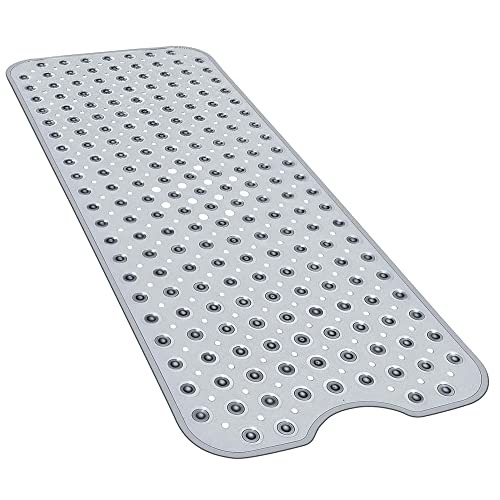
Sunbaby Anti-Slip Bath Mat with Suction Cups (Large, 70x35 cm)
- ✓ Large 70x35 cm coverage for bathroom floors
- ✓ Powerful suction cups grip wet tiles and cement
- ✓ PVC and rubber construction, non-toxic
* We earn a small commission — at no extra cost to you.
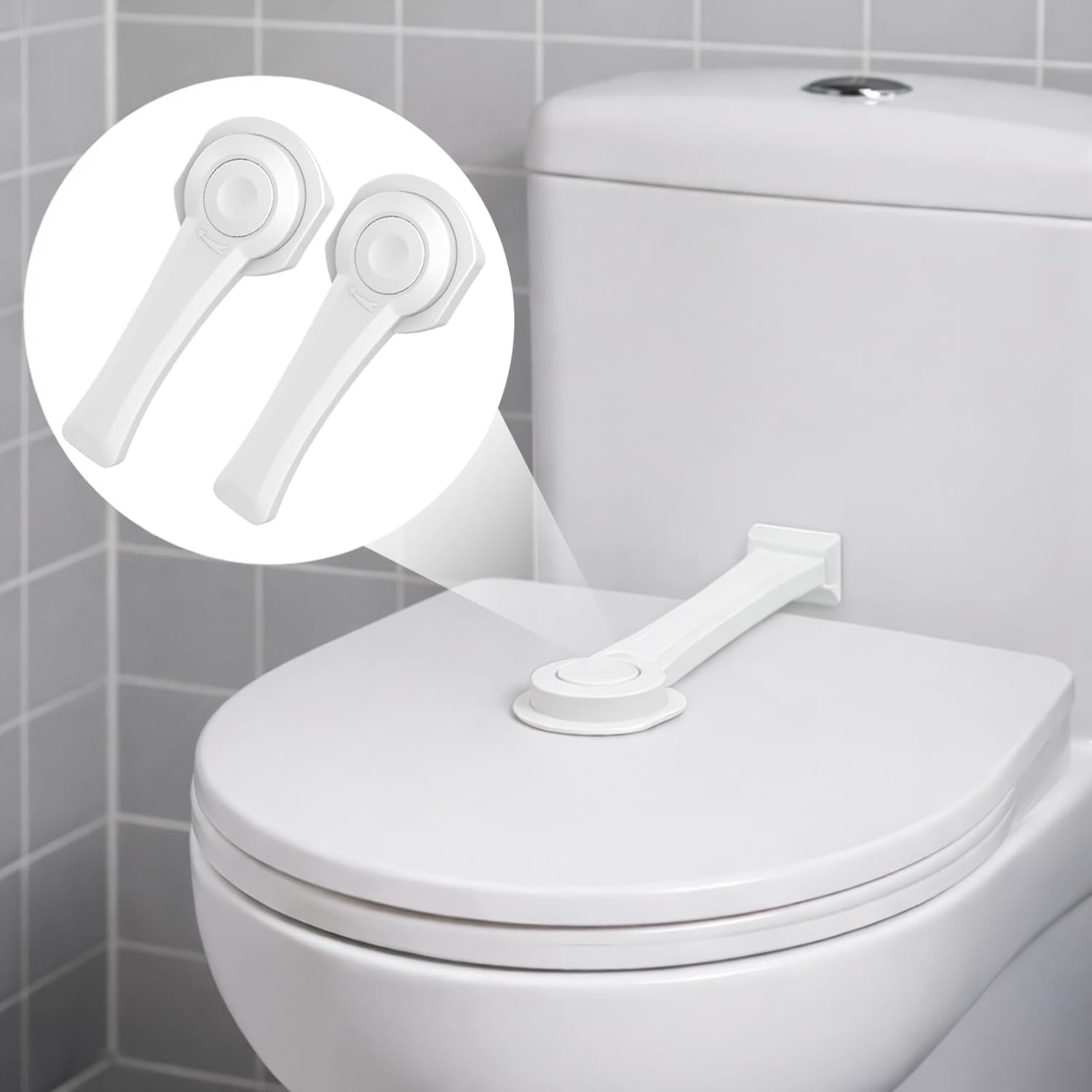
Kidsafetycare Toilet Seat Child Lock (Universal Fit)
- ✓ Works on most Indian toilet seat shapes
- ✓ Requires two hands to open—infant-proof
- ✓ Stainless steel hinges, durable plastic
* We earn a small commission — at no extra cost to you.
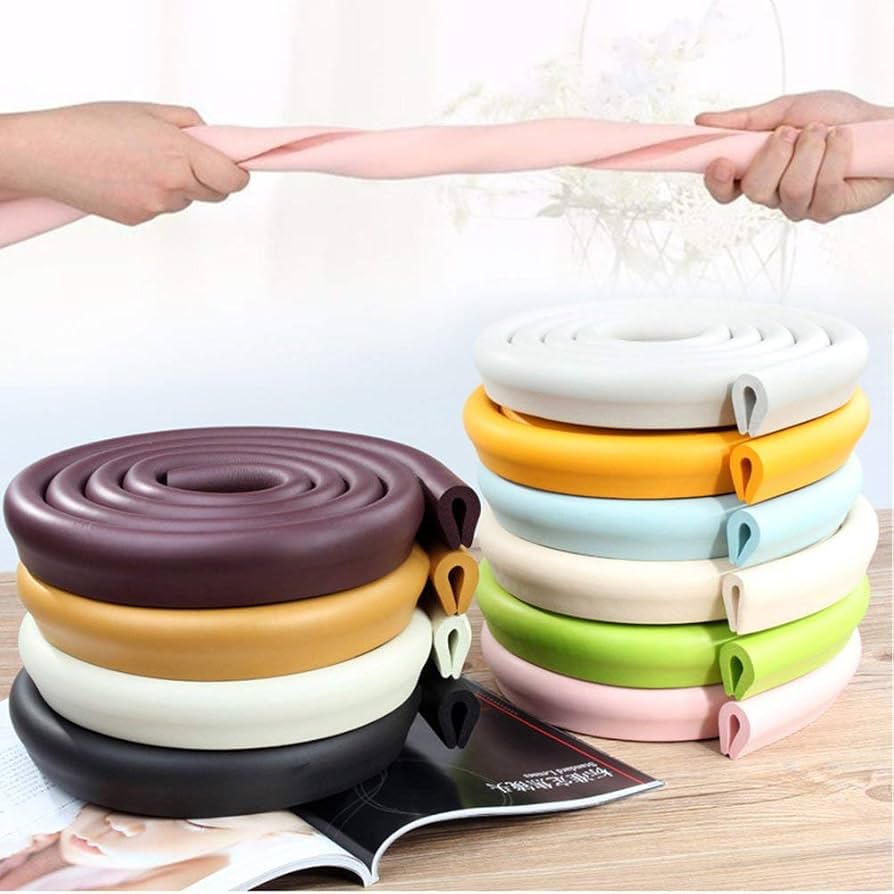
Babysafeguard Bucket Cover with Lock (20-25 litre capacity)
- ✓ Fits standard 20-25 litre water buckets
- ✓ Lockable latch prevents accidental opening
- ✓ Food-grade polypropylene, odourless
* We earn a small commission — at no extra cost to you.
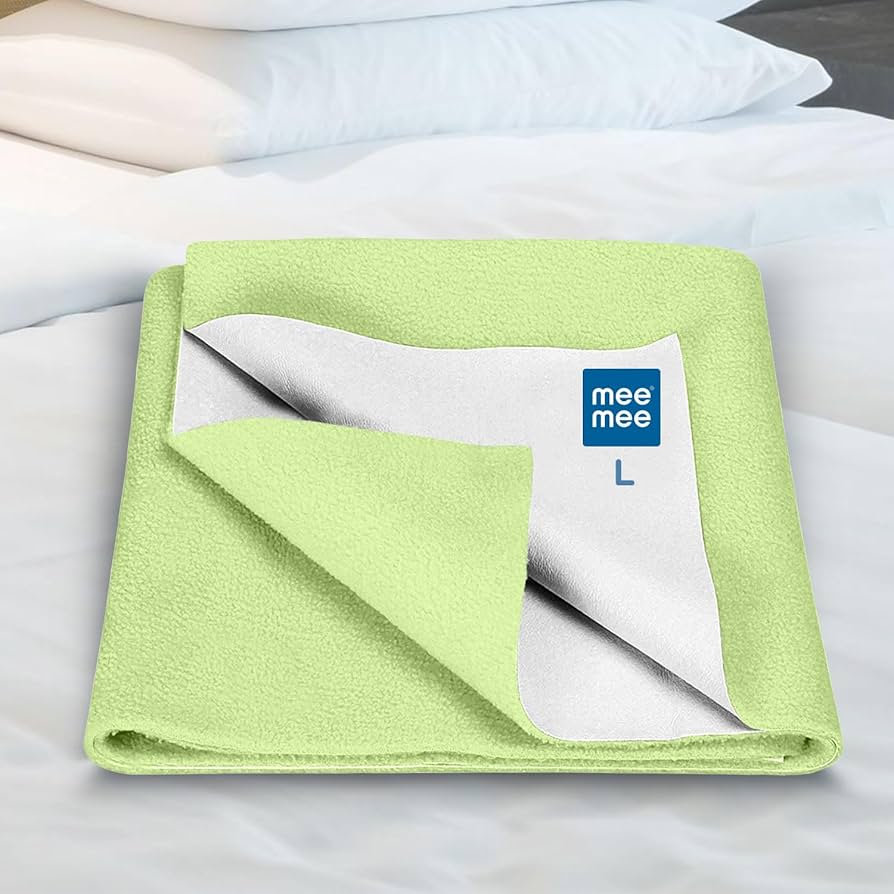
Mee Mee Tap Cover Protector (Foam, Set of 2)
- ✓ Soft foam covers protect head from tap edges
- ✓ Fits most Indian floor and wall taps
- ✓ Reduces impact injury and scalding risk
* We earn a small commission — at no extra cost to you.
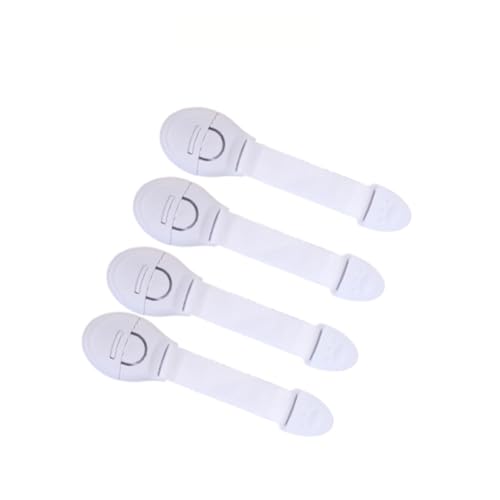
SafeFirst Cabinet Lock (Child-Proof, 2-Pack)
- ✓ U-shaped magnetic lock, no keys needed
- ✓ Fits cabinet doors, drawers, and latches
- ✓ Heavy-duty plastic, tamper-resistant
* We earn a small commission — at no extra cost to you.
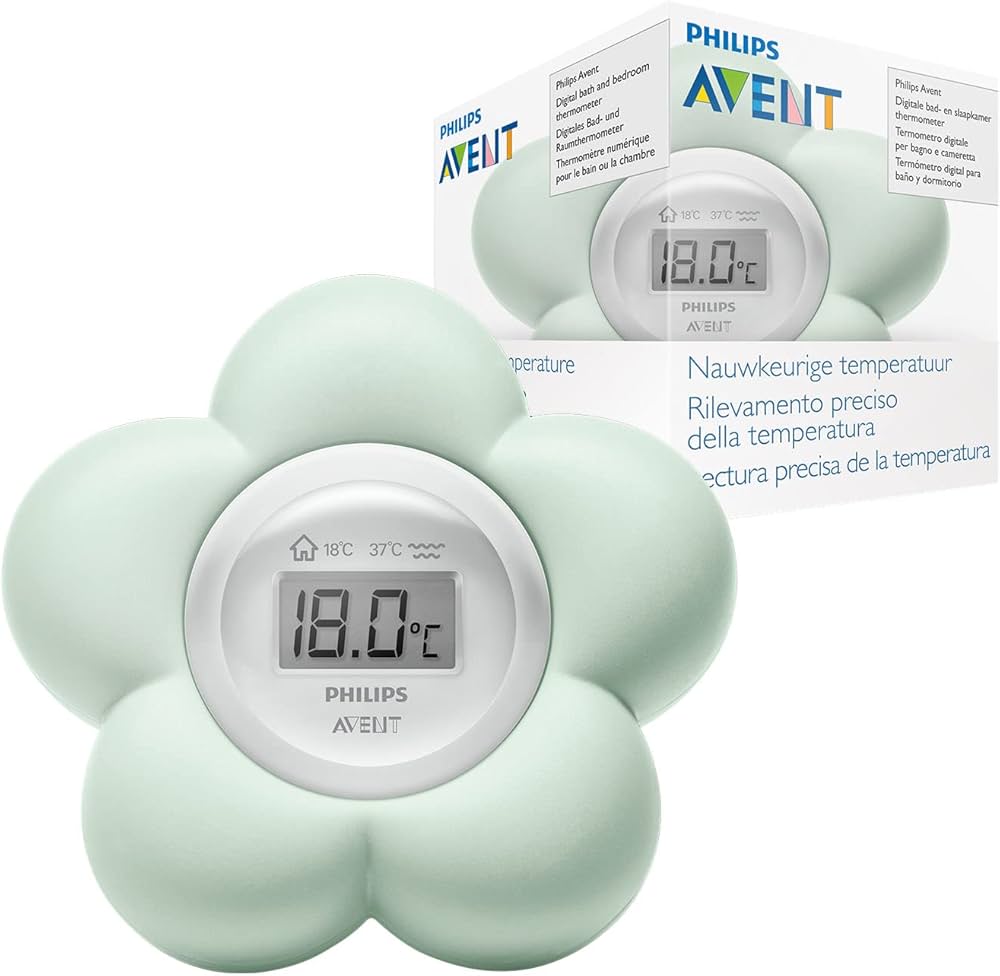
Philips Avent Anti-Scald Thermostatic Tap Limiter
- ✓ Limits water temperature to 49°C max
- ✓ Universal fit on most Indian tap designs
- ✓ Manual override for adult use
* We earn a small commission — at no extra cost to you.