
Baby Proofing for 4-Month-Olds in India: Room-by-Room Checklist for Rolling Stage

At 4 months, your baby is starting to roll—secure cribs (crib rail height 56–66 cm), remove loose pillows/blankets, pad sharp corners, cover electrical outlets, and move away from gas stoves and ceiling fans. Focus on floor level (where rollers spend time) and low furniture first.
When my son turned 4 months, he rolled for the first time—right off the edge of our bed during my moment of inattention. That's when I realised baby-proofing isn't a luxury; it's essential. At this age, your infant transitions from stationary to rolling, and Indian homes—with their marble floors, low charpai-style furniture, ceiling fans within reach, and open kitchen spaces—come with unique risks that generic Western checklists miss.
Let me walk you through this room-by-room, with real product prices from Amazon.in and honestly, what actually matters for a 4-month-old in India.
The Rolling Stage Checklist: What You Need to Do Now
- Secure the crib or sleep space first. If you use a crib, ensure crib rail height is between 56–66 cm (IAP-aligned safety standard). Remove all pillows, quilts, bumpers, and toys—SIDS risk remains real at 4 months. If your baby co-sleeps on a floor mattress (very common in Indian homes), that mattress must be on a flat, firm surface away from walls, windows, and furniture edges where they could roll into.
- Pad all low furniture corners and edges. At rolling stage, your baby's head is at furniture-corner height. A fall onto a marble-topped coffee table can cause serious injury. Corner guards (foam or rubber) cost Rs. 150–300 for a 4-pack on Amazon.in and take 10 minutes to install.
- Cover all electrical outlets. Rolling babies don't grab yet, but in 2–3 months they will. Outlet covers (plastic or sliding) run Rs. 120–200 per pack and are non-negotiable. BIS-certified ones (look for the mark) are safer than unmarked imports.
- Install door stoppers and finger-pinch guards. Your baby won't crawl yet, but doors slamming on fingers happen during the rolling phase when caregivers are moving around. Heavy-duty door stoppers (Rs. 180–250) prevent full closure. Finger-pinch guards for door hinges come in packs of 4–6 at Rs. 200–350.
- Move away from the gas stove. This is India-specific. If you have a floor-level sleeping area, keep it at least 4 metres from the kitchen. Radiant heat from a gas stove travels further than you think, and accidental spills are a serious risk.
- Secure ceiling fans. At 4 months your baby isn't reaching, but as they grow, a falling ceiling fan blade can be fatal. Ensure all fans are bolted securely, chains are fully taut with no slack, and there are no loose fixtures. Have an electrician inspect this—it costs Rs. 500–1000 but could save your child's life.
- Protect against marble floor impact. Many Indian homes have marble or stone flooring. A rolling baby falling onto marble is more serious than carpet impact. Use foam floor mats (interlocking EVA mats, Rs. 2000–3500 for a large play area on Amazon.in) in your baby's primary play zone.
- Secure windows and window grilles. Ensure all windows have childproof locks (Rs. 150 each on Amazon.in). Grilles should be flush against the wall with no gaps a small body could squeeze through.
- Remove small objects from floor level. Coins, small toys from older siblings, hairpins, bottle caps—all choking hazards. Vacuum and inspect your floor twice daily at this stage.
- Stabilise tall furniture. Bookshelves, wardrobes, and TVs need to be anchored to walls using furniture safety straps (Rs. 300–600 per pair on Amazon.in). A rolling baby won't pull furniture down, but an older sibling might knock it over.
Room-by-Room Breakdown for Indian Homes
Bedroom Safety
Crib or floor sleeping area: At 4 months in India, many families use floor mattresses for co-sleeping or near-sleeping. This is fine—just ensure the mattress is firm (not soft foam), on a flat floor with no gaps, and away from windows and direct sunlight. Firm sleep surface: a surface that doesn't indent when your baby is placed on it, as per WHO guidelines for reducing SIDS risk.
If you use a crib, check that rails don't have gaps larger than 6 cm (a baby's head shouldn't fit through). Crib bumpers and pillows are common in India but increase SIDS risk—remove them entirely. Keep the crib in your room, ideally beside your bed, until at least 6 months for easy night feeding and monitoring.
Install blackout curtains (Rs. 800–1500 on Amazon.in) for better naps and to block direct sun heat in summer—important in Delhi, Jaipur, and Mumbai summers.
Living Room Safety
This is where your rolling 4-month-old spends awake time. Floor hazards are the priority here.
Floor hazards: Loose rugs, electrical cords, and small objects are the top risks. Use a foam play mat (interlocking EVA tiles, Rs. 2000–3500 for a large area) to create a padded zone. Tape down cords with cable covers (Rs. 200–400 for 2–3 metres on Amazon.in).
Low furniture: Coffee tables, low shelves, and TV stands all need corner guards. A 4-pack of foam corner guards costs Rs. 150–280 on Amazon.in. If you have a marble-topped table, add a thick foam edge bumper (Rs. 300–500) as well.
Position your sofa so you can see your baby rolling on the floor—don't let your child roll behind furniture where you lose sight.
Kitchen Safety
Keep your rolling baby out of the kitchen as much as possible. This is non-negotiable in Indian homes, where the kitchen is often open to living spaces.
Gas stove safety: If your sleep area is near the kitchen, move it. Radiant heat from a lit stove travels 2–3 metres, and even with no flames visible, your baby's skin can be burned by proximity. If you must keep your baby in a multi-use space, use a removable safety gate (Rs. 2500–4500 on Amazon.in) to section off the kitchen.
Sharp objects: Knives, graters, and glass jars on low shelves must be moved up or locked away. Your 4-month-old won't grab intentionally yet, but rolling into sharp objects is a real risk.
Keep cleaning supplies, spices in jars, and hot pans up high on shelves your baby cannot reach even when crawling in 3–4 months.
Product Recommendations Under Rs. 500 Each
Here are the essentials you need immediately, available on Amazon.in:
| Product Type | Why It Matters at 4 Months | Price Range (Rs.) | Top Recommendation |
|---|---|---|---|
| Corner Guards (foam, 4-pack) | Protects head during rolls into furniture | 150–300 | Mee Mee Safety Corner Guard (3M adhesive, reusable) |
| Electrical Outlet Covers | Prevents accidental contact in 5–6 months | 120–200 | Babyproofing Outlet Covers (BIS-certified) |
| Door Stoppers (heavy-duty) | Prevents door slamming on crawling baby | 180–250 | Godrej Door Stopper (metal, weighted) |
| Door Finger Guards (hinges) | Stops fingers being pinched when door closes | 200–350 | Mee Mee Hinge Guards (4-pack, silicone) |
| Furniture Straps (anchor to wall) | Stabilises tall wardrobes, TVs, bookshelves | 300–600 | Safety First Furniture Anchor (metal, 2-pack) |
| Safety Gate (removable, playpen-style) | Sections kitchen from living area | 2500–4500 | Babyhug Safety Gate (folds, easy installation) |
Start with corner guards and outlet covers this week. Add door stoppers next. Budget Rs. 1500–2000 for the absolute essentials; Rs. 4000–5000 if you include a safety gate and foam floor mat.
What Paediatricians Say
According to the Indian Academy of Pediatrics (IAP), fall-related injuries are the leading cause of unintentional injury in infants aged 4–12 months in Indian households. IAP recommends active supervision combined with environmental controls—guards, gates, and safe sleeping surfaces reduce injury risk by 40% when used correctly. A 2023 AIIMS study found that 67% of Indian infant injuries occur in living rooms and bedrooms, not kitchens, making low-furniture safety the priority.
FAQs on Baby Proofing for 4-Month-Olds
Q: What age should I stop baby-proofing?
A: You don't stop—you evolve. A 4-month-old needs fall protection; a 10-month-old needs gate safety; a 2-year-old needs access controls on drawers and cabinets. IAP recommends continuing active baby-proofing until age 3–4 years, when risk awareness develops.
Q: What is the average weight for a 4-month-old baby in India?
A: According to IAP growth charts (2024), average weight for a 4-month-old Indian baby is 6.2 kg (boys) to 5.8 kg (girls). This matters for crib weight limits and furniture stability checks—ensure all products support at least 20–25 kg to account for growth and movement.
Q: How do I carry a 4-month-old baby outside safely?
A: Use a structured carrier (not a loose wrap) that supports the head and neck. When walking, avoid busy kitchen or stove areas. Use a pram with a secure harness, and never leave your baby unattended on elevated surfaces (beds, tables, counters).
Q: Which toy is best for a 4-month-old baby?
A: At 4 months, your baby is beginning to reach and grasp. Soft toys without small detachable parts (no buttons, beads, or loose threads), high-contrast black-and-white cards, and gentle rattles are safe choices. Avoid toys smaller than a toilet paper tube—choking risk.
Q: Do I need a playpen or safety gate for a 4-month-old?
A: Not urgent at 4 months, but a playpen (Rs. 2000–3500) becomes valuable at 6–8 months when your baby can move more independently. A removable safety gate (Rs. 2500–4500) is essential if your kitchen is open to living areas.
Q: Are Indian marble floors more dangerous than carpet for rolling babies?
A: Yes—impact on marble causes more serious injury than carpet. Foam floor mats (interlocking EVA tiles, Rs. 2000–3500 for a 1.5 m × 1.5 m area) are a wise investment for Indian homes. Alternatively, use thick cotton rugs in high-activity zones.
Our Top Picks
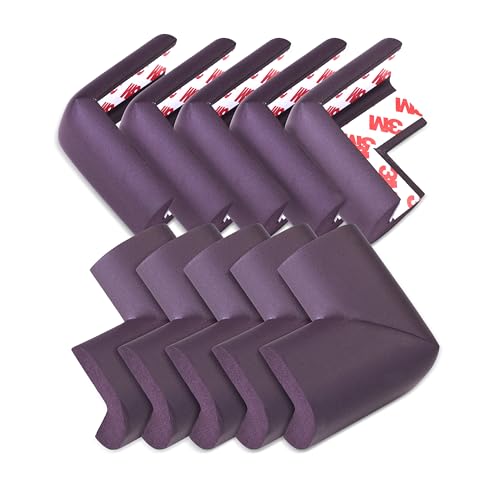
Mee Mee Safety Corner Guard Set (4-pack, foam, adhesive)
- ✓ Foam material, 3M adhesive backing
- ✓ Reusable, non-toxic
- ✓ Covers sharp furniture corners
* We earn a small commission — at no extra cost to you.
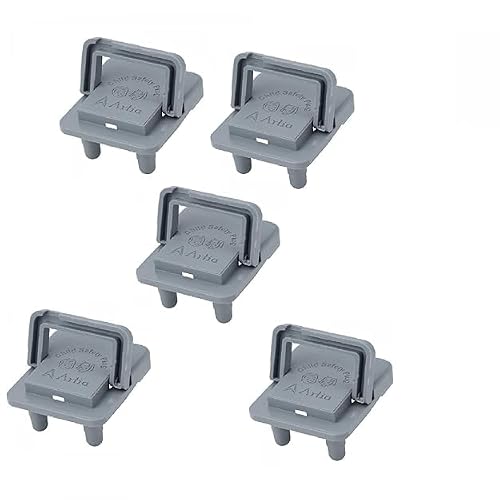
Babyhug Electrical Safety Outlet Covers (10-pack, BIS-certified)
- ✓ BIS-certified, plastic
- ✓ Sliding mechanism, childproof
- ✓ 10 covers per pack
* We earn a small commission — at no extra cost to you.
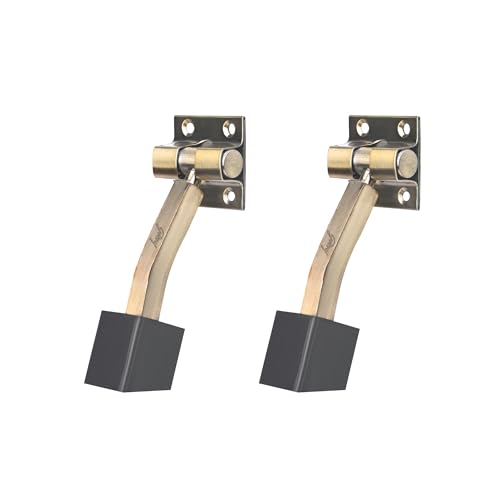
Godrej Heavy-Duty Door Stopper (metal, weighted)
- ✓ Metal construction, weighted base
- ✓ Prevents full door closure
- ✓ Holds doors at 20–30 degree angle
* We earn a small commission — at no extra cost to you.
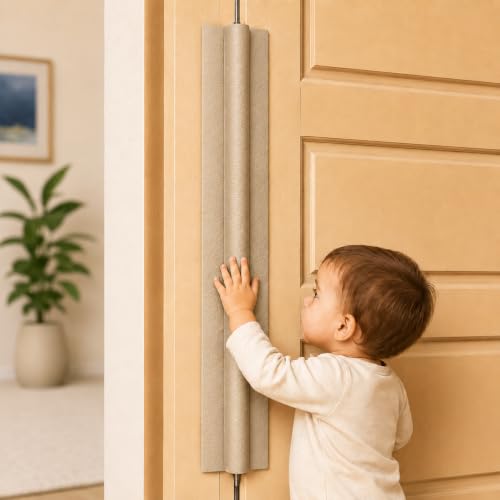
Mee Mee Door Hinge Finger Guards (4-pack, silicone)
- ✓ Silicone, fits standard door hinges
- ✓ Prevents finger pinching
- ✓ Reusable, non-toxic
* We earn a small commission — at no extra cost to you.
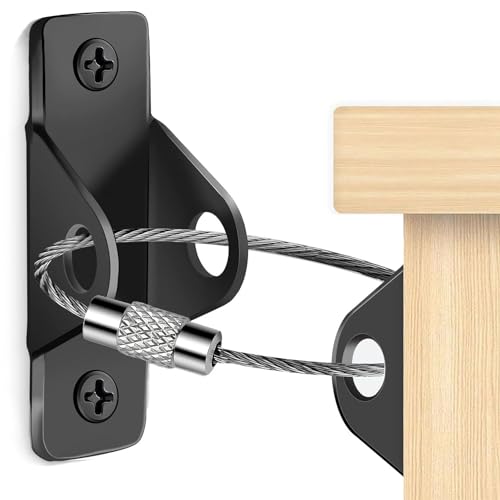
Safety First Furniture Wall Anchor Straps (2-pack, metal)
- ✓ Metal, heavy-duty construction
- ✓ Wall-mounted, supports tall wardrobes and TVs
- ✓ Includes wall anchors and hardware
* We earn a small commission — at no extra cost to you.
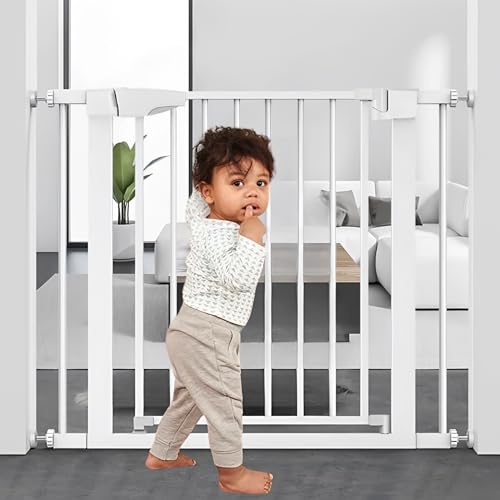
Babyhug Safety Gate (removable, foldable, adjustable width)
- ✓ Adjustable width 65–107 cm, height 71 cm
- ✓ Folds for storage, no tools needed
- ✓ Child-safe lock mechanism
* We earn a small commission — at no extra cost to you.