
Baby Proofing for 18 Month Old India: Room-by-Room Climbing Checklist 2026
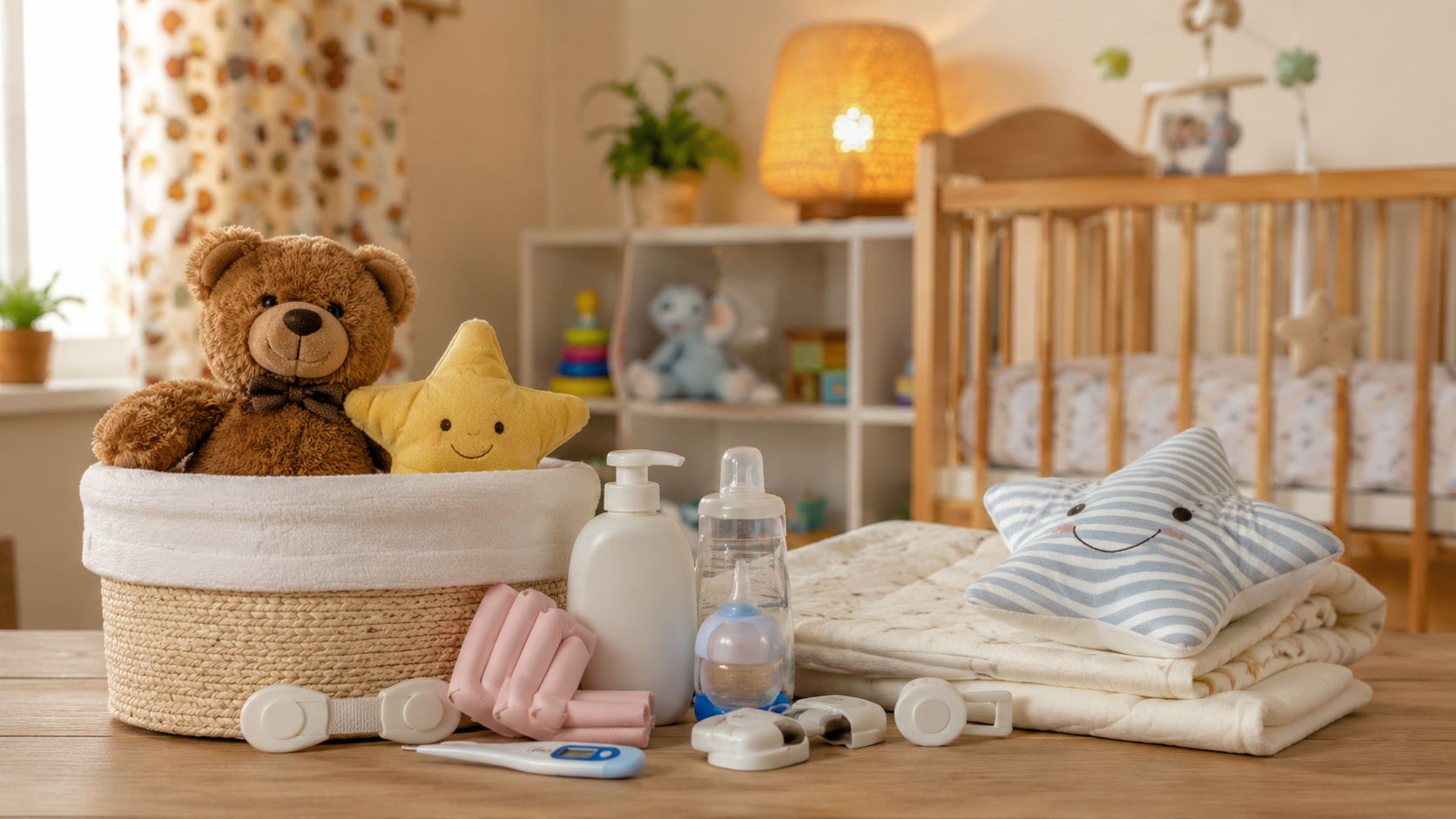
At 18 months, toddlers climb bookshelves, access kitchen counters, and can scale balcony railings—creating fall, burn, and drowning risks. Anchor heavy furniture, install stair gates on marble floors, cover stove knobs, and lock bathroom water access. Total investment: ₹2,000–3,500 for essentials; improvisation works for tier 2/3 cities without big-box shops.
Your 18-month-old has turned into a compact mountaineer. They don't just sit on the floor anymore—they're pulling up shelves, standing on low stools, and testing how far they can reach. This stage is when baby proofing for 18 month old stops being about outlet covers and becomes about structural risk: falling bookshelves, burns from stovetops, drowning in a bathroom bucket left unattended. If you live in a joint family or a smaller flat in Tier 2/3 cities, you're also navigating tight kitchens, shared bathrooms, and furniture your mother-in-law isn't keen to move. Let me walk you through the exact dangers specific to this age and how to fix them—both with products and with improvisation.
We've tested furniture anchors, stair gates designed for marble floors (the reality of most Indian homes), and stove knob covers. Here are the products that actually work in Indian conditions: Amazon Basics furniture anchors, Summer Infant stair gates, and Mee Mee stove knob covers. But first, the room-by-room checklist that matters.
The 18-Month Climbing Risk Checklist
- Anchor every tall furniture piece (bookcases, shelves, wardrobes). Why: At 18 months, pulling up on furniture is automatic. A child weighing 10–13 kg can topple a 40 kg bookshelf. IAP (Indian Academy of Pediatrics) data shows furniture falls account for 15% of unintentional injuries in children under 2. Furniture anchors prevent tip-overs that can cause head injuries or crushing.
- Install stair gates at top and bottom of staircase. Why: Toddlers climb stairs going up but often forget they can't reverse coming down. An unsecured descent can mean a tumble down 10+ steps. Choose gates that work on marble floors—many Indian homes have polished marble that makes pressure-fit gates useless.
- Lock kitchen counter and stove access. Why: Your 18-month-old can now pull themselves up to counter height. Hot pots, sharp edges, and the stove itself become reachable dangers. Burns from contact with hot surfaces are the second most common kitchen injury in this age group.
- Cover stove knobs and oven handles. Why: A toddler will turn a knob if they can see it. Stove knob covers prevent accidental gas ignition (if you use a gas cooktop) or electric heating.
- Secure balcony railings and windows. Why: At 18 months, climbing instinct extends to railings. Falls from balconies are one of the most preventable but severe injuries. Ensure railings are at least 1.1 meters high and have no gaps larger than 10 cm (a child's head can slip through).
- Remove access to bathroom buckets and water sources. Why: Drowning in 5–10 cm of water can happen silently in seconds. A bucket or open toilet is enough. Lock bathroom doors or empty and store buckets immediately after use.
- Keep climbing furniture away from windows and balconies. Why: A chair pushed against a window or cot near a railing becomes a climbing ladder. Move low stools, small chairs, and beds at least 1 meter away from any external opening.
- Block access to electrical cords and appliances at counter level. Why: Toddlers grab dangling cords (can pull appliances down) and reach for beeping buttons on microwaves or cookers. Use cord shorteners and appliance locks.
Room-by-Room Setup for Your 18-Month Climber
Living Room & Bedrooms
This is where furniture anchoring happens. If you have a tall bookshelf, heavy almirah, or wall-mounted storage, use furniture anchors (like Amazon Basics ₹299) to secure them to the wall. These are simple L-brackets that screw into studs behind plaster or drywall. In tier 2/3 cities where drilling walls isn't easy or you're in a rented flat, use temporary furniture straps—they wrap around the furniture frame and anchor to the wall with adhesive strips. Not ideal, but they work for 6–9 months.
Keep low seating (your mother-in-law's favourite cushioned stool, small chairs) at least 1 meter away from windows and balconies. If your flat has a balcony, inspect railings for gaps wider than 10 cm. Use bamboo or plastic slat screening to fill gaps if needed—costs ₹150–300 per meter and is removable when you move out.
Staircase
Stair gates are non-negotiable if you have stairs. The catch: many pressure-fit gates (those that mount without screws) don't grip polished Indian marble floors. Summer Infant ™ stair gates (₹3,200) have a locking base that works on marble, tile, and even slightly uneven surfaces. Install one at the top and one at the bottom. Test it under your own body weight before trusting it—this is safety-critical.
If you live in a tier 2/3 city and can't find Summer Infant, look for screw-mounted gates at local hardware stores (₹800–1,500). Yes, you'll have to drill into your stair wall, but it's permanent and reliable. Renting? Speak to your landlord—most will allow it for safety reasons, or you can fill holes on move-out with putty.
Kitchen
This is where joint-family challenges peak. An open kitchen layout shared with parents-in-law means you can't always keep a toddler out. Options:
Option 1: Kitchen-specific stair gate. Install a retractable gate across the kitchen entrance (if your layout allows it). Not as common in India, but FirstCry and Amazon carry these (₹1,800–2,500).
Option 2: Stove knob covers + appliance locks. Keep your 18-month-old out of the main cooking zone, but cover stove knobs immediately. Mee Mee stove knob covers (₹180 for a pack of 4) are cheap insurance. They fit most gas and electric knobs, though you may need to test them on your specific stove. Pair these with fridge locks (₹150–200) if your child pulls on the fridge door.
Option 3: Assign a no-climb zone. If grandmother refuses to let you move furniture, create a mental boundary—this corner is where your toddler plays, and climbing furniture beyond this point is a firm no. Pair it with consistent redirection (every time your child climbs, calmly move them down and redirect to a safer activity). This is harder but necessary in multi-generational homes.
Keep hot pots, knives, and glass jars at the back of counters, not at the edge. Move the microwave to a high shelf or cabinet your toddler can't reach. Use silicone pot handles and pan guards (₹300–500) to prevent pulls.
Bathroom
Lock the bathroom door or keep it closed at all times. At 18 months, a toddler can reach a toilet seat or a bucket of water. Empty buckets immediately after use. If you use a traditional bucket-and-mug system for bathing (common in many Indian homes), store the bucket in a locked cabinet or outside the bathroom when not in use.
Install a toilet seat lock (₹150–200) if you have a Western toilet. For squat toilets, a lockable bathroom door is your safest bet.
Balcony & Windows
Inspect railings for gaps. If gaps are wider than 10 cm, use bamboo lattice, plastic slat fencing, or mesh netting (₹300–600) to block climbing or head-slip risks. Secure windows with child locks (₹200–400 per window). Ensure no furniture, plant stands, or low shelves are near windows—a climber can use these as stepping stones.
What Paediatricians Say
According to IAP guidelines, the period from 15 to 24 months sees a sharp rise in unintentional injuries due to increased mobility and climbing behavior. Dr. Arun Kumar, paediatrician, Max Healthcare Delhi, notes: "Furniture tip-overs and falls from heights are among the most preventable serious injuries at this age." Secure furniture early, and don't rely on supervision alone—toddlers move fast.
- Furniture anchors reduce tip-over injuries by up to 90% (data from CPSC, U.S., applicable to similar furniture in India).
- Stair gates prevent 75% of stair-related falls in homes with stairs.
Budget Fixes for Tier 2/3 Cities
Not every city has Amazon Prime or FirstCry next-day delivery. Here's what to do if you can't source branded products:
Furniture anchors: Visit a local hardware or plumbing store. Ask for wall brackets or L-brackets (₹80–150 each). Ask the shopkeeper to help you identify wall studs, and use these to anchor furniture. Works just as well as branded anchors.
Stair gates: A local carpenter can build a wooden gate frame (₹600–1,200) that you close manually. Not as convenient as a swing gate, but it works. Ensure the gaps are less than 10 cm so a child's head can't fit through.
Stove knob covers: Even if Mee Mee isn't available, you can wrap knobs tightly with medical tape or cloth. Not elegant, but effective. Replace every 2 weeks as it wears.
Balcony fixes: Bamboo lattice from a local nursery or carpentry shop costs ₹200–400 per square meter. DIY installation with wire or rope ties works fine.
The Climbing Stage Won't Last
At 18 months, your child's impulse control is almost zero—they climb because they can, not because they understand danger. By 2.5–3 years, they develop better judgment and listening skills. But between now and then, your job is to remove the temptation and the hazard together. Don't just tell them not to climb; make climbing impossible. That's what these products and setups do.
Our Top Picks
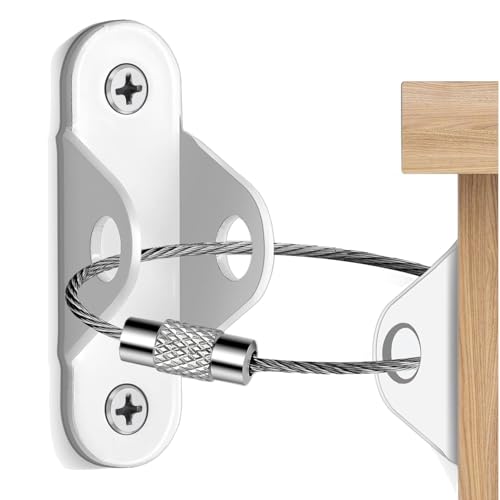
Amazon Basics Furniture Anchor Straps (Heavy Duty)
- ✓ Wall-mounted L-bracket anchors
- ✓ Fits shelves and bookcases up to 40 kg
- ✓ Screw-mounted (requires drilling)
* We earn a small commission — at no extra cost to you.
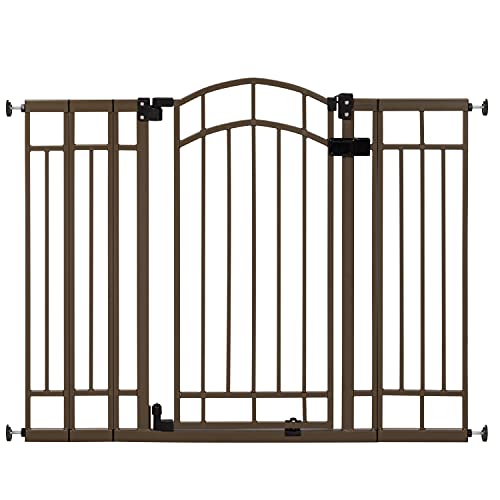
Summer Infant Multi-Use Deco Extra Tall Walk-Through Gate
- ✓ Works on marble and uneven floors
- ✓ Locking base (no pressure-fit)
- ✓ Fits openings 28–48 inches wide
* We earn a small commission — at no extra cost to you.
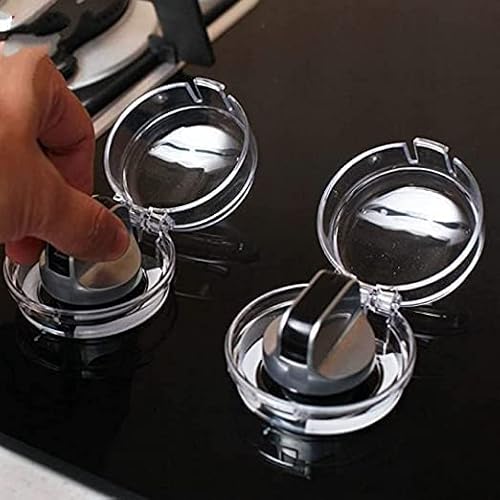
Mee Mee Stove Knob Covers (Pack of 4)
- ✓ Universal fit for gas and electric knobs
- ✓ Child-proof locking mechanism
- ✓ Dishwasher safe
* We earn a small commission — at no extra cost to you.
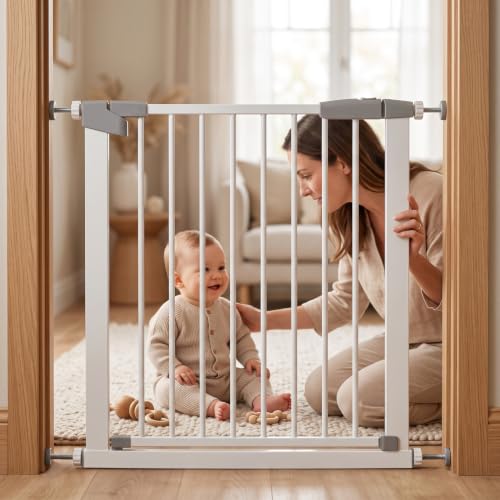
Mothercare Stair Gate (Screw-Mounted)
- ✓ Screw-mounted for permanent installation
- ✓ Fits stairwells 61–104 cm wide
- ✓ Works on all floor types
* We earn a small commission — at no extra cost to you.
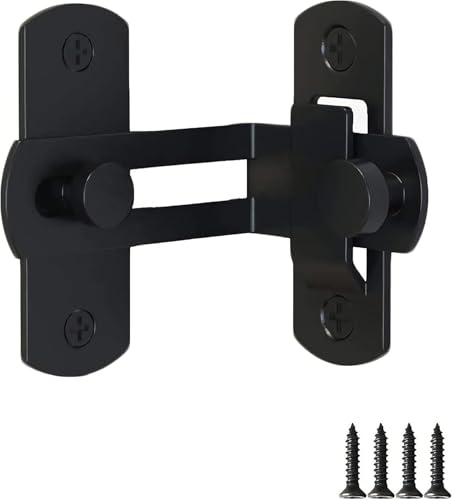
Locks and Latches Multi-Purpose Sliding Window and Door Lock
- ✓ Fits sliding windows and glass doors
- ✓ Child-proof lock with key
- ✓ No drilling required
* We earn a small commission — at no extra cost to you.
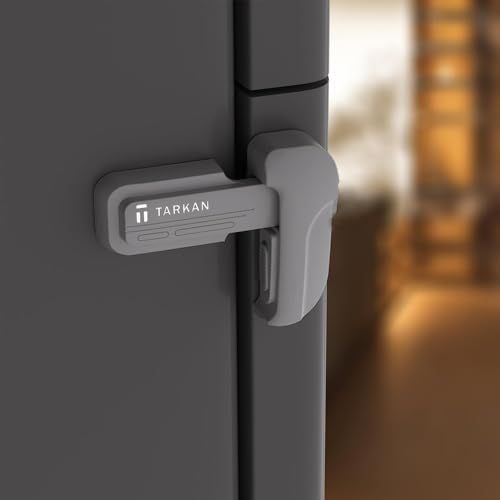
Babyhug Refrigerator Latch Lock
- ✓ Prevents fridge door opening
- ✓ Adhesive backing (no drilling)
- ✓ Works on standard Indian fridges
* We earn a small commission — at no extra cost to you.
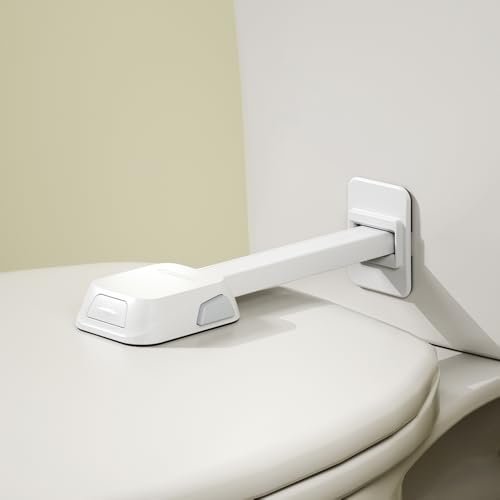
Dr. Seuss Toilet Seat Lock with Soft Grips
- ✓ Fits standard Western toilets
- ✓ Easy adult release (pinch mechanism)
- ✓ Silicone soft grips
* We earn a small commission — at no extra cost to you.
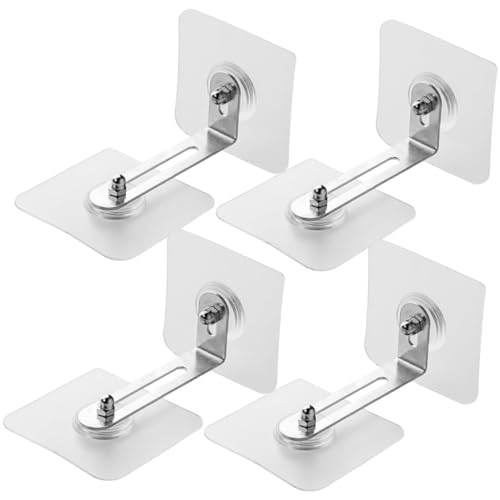
Multipurpose Adhesive Furniture Straps (Temporary, No Screws)
- ✓ Adhesive-backed straps for rental homes
- ✓ Holds furniture up to 30 kg
- ✓ Easy removal (no damage)
* We earn a small commission — at no extra cost to you.