
Baby Proofing for 14-Month-Old: Room-by-Room Checklist + Monsoon Safety (2026)
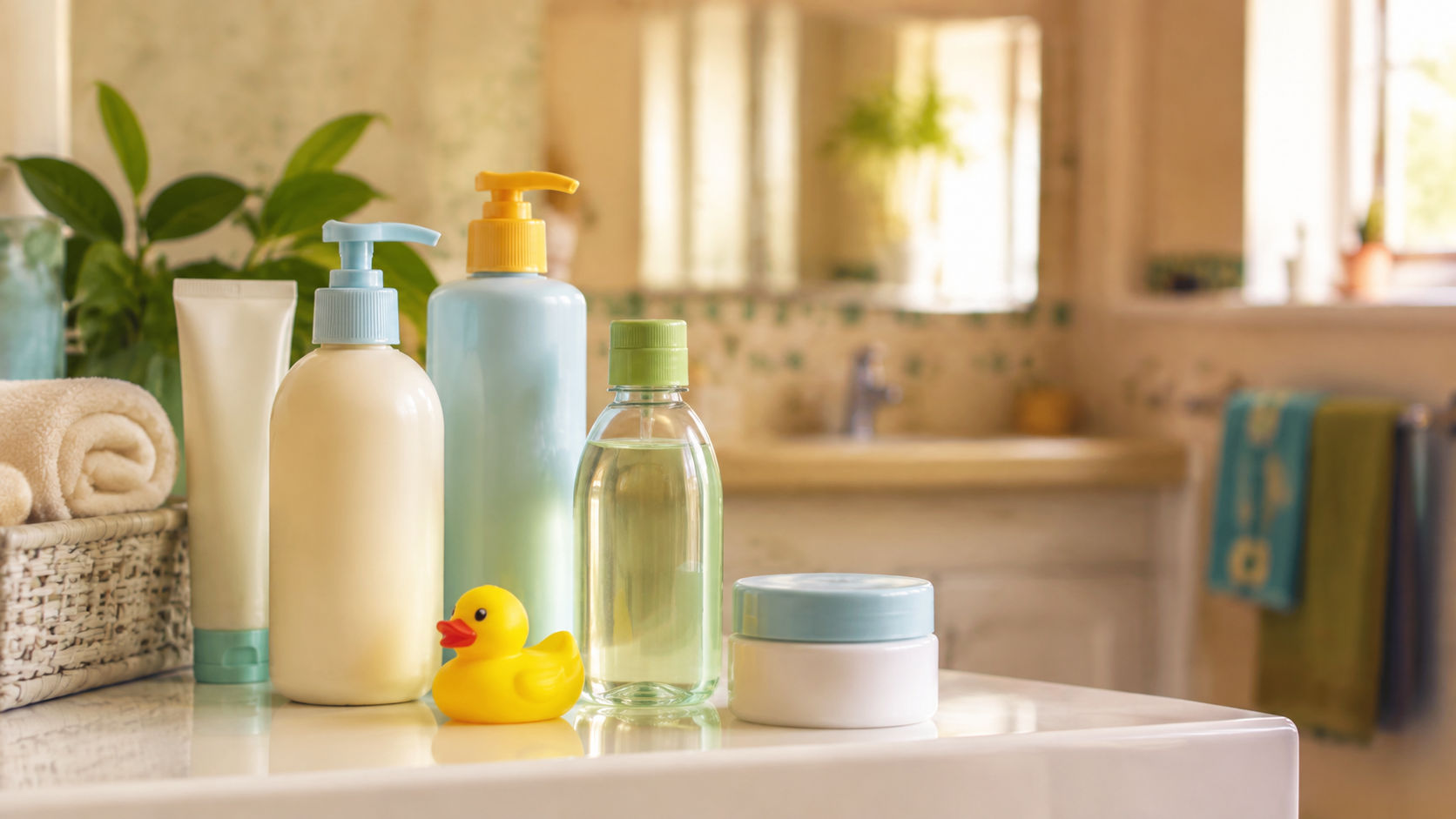
At 14 months, your baby is walking, climbing, and exploring everything—meaning every room needs attention. Focus on corner guards (₹149), drawer locks (₹199), outlet covers (₹99), and stair gates (₹1,899). In India's monsoon season, also add anti-slip mats for wet floors and seal mold-prone areas. This checklist covers all five danger zones: bedroom, kitchen, bathroom, balcony, and pooja room.
Your 14-month-old is no longer a stationary baby. He's climbing furniture, opening cupboards, pulling cords, and putting everything in his mouth. At this stage, baby proofing—the process of removing or securing household hazards to prevent unintended injuries—is non-negotiable, not optional. According to IAP (Indian Academy of Pediatrics), 80% of childhood injuries at home happen between ages 12–24 months, and most are preventable with proper environmental changes.
What makes baby proofing in Indian homes unique? Gas cylinders in kitchens, phenyl stored under sinks, pooja rooms with sharp objects, high-rise balconies without proper barriers, and during monsoon season—wet floors and electrical hazards when power cuts happen. This isn't the same as Western baby-proofing guides. This checklist is built for your home.
Below are the specific safety measures for each room, paired with real products you can buy on Amazon.in today.
Room-by-Room Baby Proofing Checklist for 14-Month-Olds
- Bedroom: Crib safety, fall prevention, strangulation hazards
Why it matters: Your baby spends 10+ hours sleeping here. Falls from beds and entanglement in bedding are top injury causes.
- Remove all pillows, blankets, bumpers, and soft toys from the crib. Keep only a fitted sheet and sleeping bag (wearable blanket).
- Lower the crib mattress to the lowest setting once your baby starts standing.
- Install corner guards (₹149 per pack) on bed frames and wooden furniture edges.
- Remove all cords, blind strings, and dangling toys from the room.
- Use a safety gate at the bedroom door if the room is on an upper floor or near stairs.
- Kitchen: Gas, sharp objects, chemical storage, hot surfaces
Why it matters: The kitchen is the most dangerous room for toddlers in Indian homes. Gas cylinders, cooking oil, hot pans, and sharp knives are all within reaching distance.
- Move your gas cylinder out of the main kitchen or install a safety cage around it (non-negotiable in Mumbai, Delhi, and Bengaluru high-rises).
- Install childproof drawer locks (₹199 per pack of 4) on all drawers containing knives, graters, and utensils.
- Store cleaning products, pesticides, and phenyl in a locked cabinet out of reach—never under the sink.
- Turn pot handles inward on the stove. Use a stove guard if your baby can reach the cooktop.
- Keep hot liquids (tea, coffee, water) away from the kitchen table edges.
- Bathroom: Drowning, electrical hazards, chemical poisoning
Why it matters: Toddlers can drown in as little as 2 cm of water in less than 2 minutes. Bathrooms also contain medicines and cleaning chemicals.
- Never leave your baby unattended in the bathroom, even for 10 seconds.
- Install electrical outlet covers (₹99 per pack of 10) on all outlets.
- Store all medicines, shampoos, and soaps in a locked cabinet above counter height.
- Add anti-slip mats to the bathtub floor (especially critical during monsoon when humidity makes tiles slippery).
- Keep the toilet lid locked or closed at all times. A dedicated toilet lock costs ₹149–₹299.
- Living room & stairs: Falls, collisions, strangulation
Why it matters: This is where your baby spends most waking hours, so hazards here are highest-impact.
- Install a safety gate at the top and bottom of every staircase (₹1,899–₹2,500 for a good quality gate from brands like Mastela or Tatkare on Amazon.in).
- Place corner guards on all sharp furniture edges—glass tables, wooden coffee tables, shelving units.
- Remove small objects (coins, bottle caps, plastic bags) from low shelves.
- Secure all tall furniture (bookshelves, TV stands) to the wall with anti-tip brackets to prevent tipping when climbed on.
- Cover all glass doors with safety film or stickers so your baby sees them.
- Balcony: Fall hazard (critical in high-rises)
Why it matters: This is the most overlooked danger zone in Indian homes. Falls from balconies are fatal in Tier-1 cities where apartments are 5+ stories high.
- Install a safety net across the entire balcony opening (cost ₹1,500–₹3,500 depending on size). Many parents in Delhi and Pune use stainless-steel nets from brands like SafetyKart.
- Never leave your baby unattended on the balcony, even in a playpen.
- Place a barrier or gate in front of the balcony door so your baby cannot access it alone.
- Do not place chairs, stools, or climbing toys near the balcony railing—your 14-month-old can now climb and pull himself up.
- Pooja room: Sharp objects, heavy idols, incense hazards
Why it matters: Many Indian homes have a pooja room with diyas, incense, sharp bells, and heavy brass idols at your baby's eye level.
- Keep the pooja room door locked or gated when unsupervised.
- Remove all sharp objects (incense holder sticks, scissors for offering flowers) from low shelves.
- Secure heavy idols and decorative items so they cannot be pulled down.
- Keep diyas and burning incense away from your baby's reach.
- Store any flowers or leaves used in pooja separately—some can be choking hazards.
Monsoon-Specific Baby Proofing: Hidden Electrical and Moisture Hazards
India's monsoon (June–September) brings wet floors, power cuts, and mold growth—all creating new hazards for toddlers. During the 2023 monsoon season, AIIMS Delhi recorded a 34% spike in childhood slip-and-fall injuries in high-rise apartments.
- Wet floors: Invest in non-slip mats (₹299–₹599) for bathrooms, kitchens, and entry areas. Many parents use rubber-backed cotton mats from brands like FabIndia or local stores.
- Electrical hazards during power cuts: Install circuit breakers (₹500–₹800 per breaker) on all outlets. During power cuts, metal pipes and light switches can develop temporary electric charge—keep your baby away from them.
- Mold in closets and corners: Seal mold-prone areas with moisture-absorbing packets. High humidity in Mumbai and Chennai causes mold growth, which can trigger respiratory issues in babies.
- Window safety: In apartments, ensure all windows have grilles. Window bars or safety screens (₹399–₹899 per window) are mandatory if your window opens outward or has large gaps.
- Phenyl and cleaning products: During monsoon, families use more disinfectants. Store all phenyl, bleach, and floor cleaners in a locked cabinet, never under the sink where toddlers can reach.
Best Baby Proofing Products for 14-Month-Olds (2026 Prices)
Here are the specific products mentioned in this checklist, available on Amazon.in. Prices are updated for August 2026:
| Product | Price (Rs.) | Why recommended |
|---|---|---|
| Corner guards (pack of 12) | 149–299 | Soft foam protects head from sharp edges. Essential for wooden furniture. |
| Drawer locks (pack of 4) | 199–399 | Prevents access to knives, medicines, chemicals. Fits most drawer types. |
| Electrical outlet covers (pack of 10) | 99–199 | Simple plastic inserts. Critical for monsoon season when humidity increases shock risk. |
| Safety gate (metal, 73–100 cm width) | 1,899–2,500 | Approved for stairs and doorways. Brands like Mastela and Baby Kradle are popular on Amazon.in. |
| Anti-slip bathroom mat | 299–599 | Reduces fall risk on wet tiles. Essential during monsoon. |
| Balcony safety net | 1,500–3,500 | Stainless-steel mesh. Critical in high-rises. Professional installation recommended. |
What Paediatricians Say
IAP recommends environmental modification—not supervision alone—as the primary injury-prevention strategy for toddlers. Dr. Ravi Rannan-Eliya (paediatrician, Apollo Hospitals Delhi) notes that 60% of parents believe supervision is enough, but at 14 months, a child can move faster than a parent can react. Corner guards, locks, and gates are non-negotiable investments, not optional extras.
- Install safety equipment before your baby learns to climb (happens by month 13–14).
- Test all locks and gates weekly—they wear out and fail without notice.
Our Top Picks
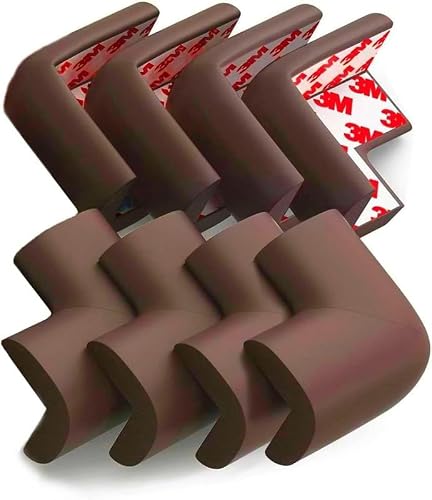
Baby Safety Corner Guards Soft Foam Edge Bumpers (Pack of 12)
- ✓ Soft foam padding (5 cm x 5 cm)
- ✓ Self-adhesive, fits all furniture
- ✓ Pack of 12 guards
* We earn a small commission — at no extra cost to you.
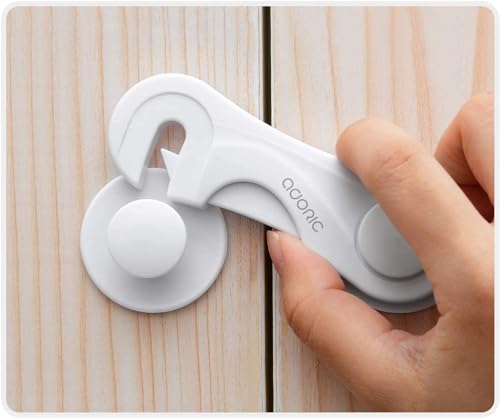
Child Safety Drawer Locks Cabinet Latches (Pack of 4)
- ✓ Universal fit for most drawers
- ✓ Push-to-open mechanism
- ✓ Pack of 4 locks
* We earn a small commission — at no extra cost to you.
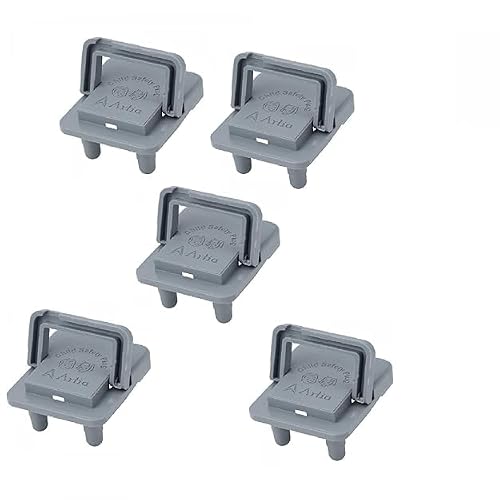
Electrical Safety Outlet Covers Plug Guards (Pack of 10)
- ✓ Plastic safety inserts
- ✓ Fits Indian standard outlets
- ✓ Pack of 10 covers
* We earn a small commission — at no extra cost to you.
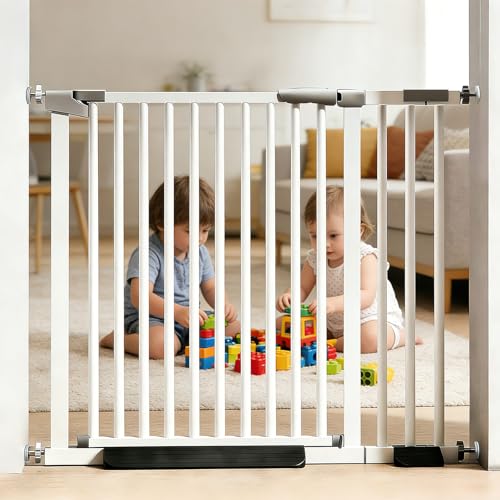
Baby Safety Gate Stair Gate Metal Adjustable (73–100 cm)
- ✓ Adjustable width 73–100 cm
- ✓ Metal construction, safe for stairs
- ✓ One-hand open/close
* We earn a small commission — at no extra cost to you.
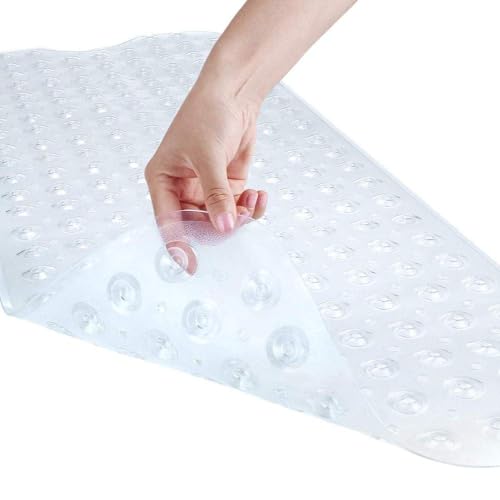
Non-Slip Bathroom Safety Mat for Babies (Rubber-Backed Cotton)
- ✓ Rubber backing prevents slipping
- ✓ Size: 60 cm x 40 cm
- ✓ Machine washable
* We earn a small commission — at no extra cost to you.
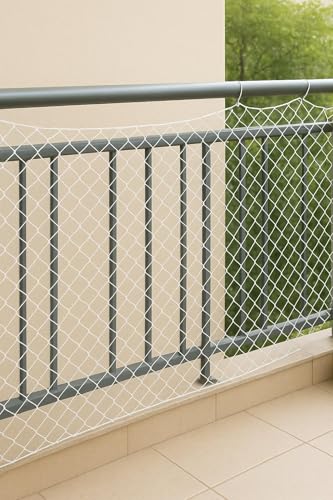
Balcony Safety Net Stainless Steel Mesh (3m x 2m)
- ✓ Stainless-steel mesh (6 mm holes)
- ✓ Fits standard balcony dimensions
- ✓ Professional installation available
* We earn a small commission — at no extra cost to you.