
Baby Proofing 10-Month-Old Crawlers: Room-by-Room Checklist for Indian Homes (2026)
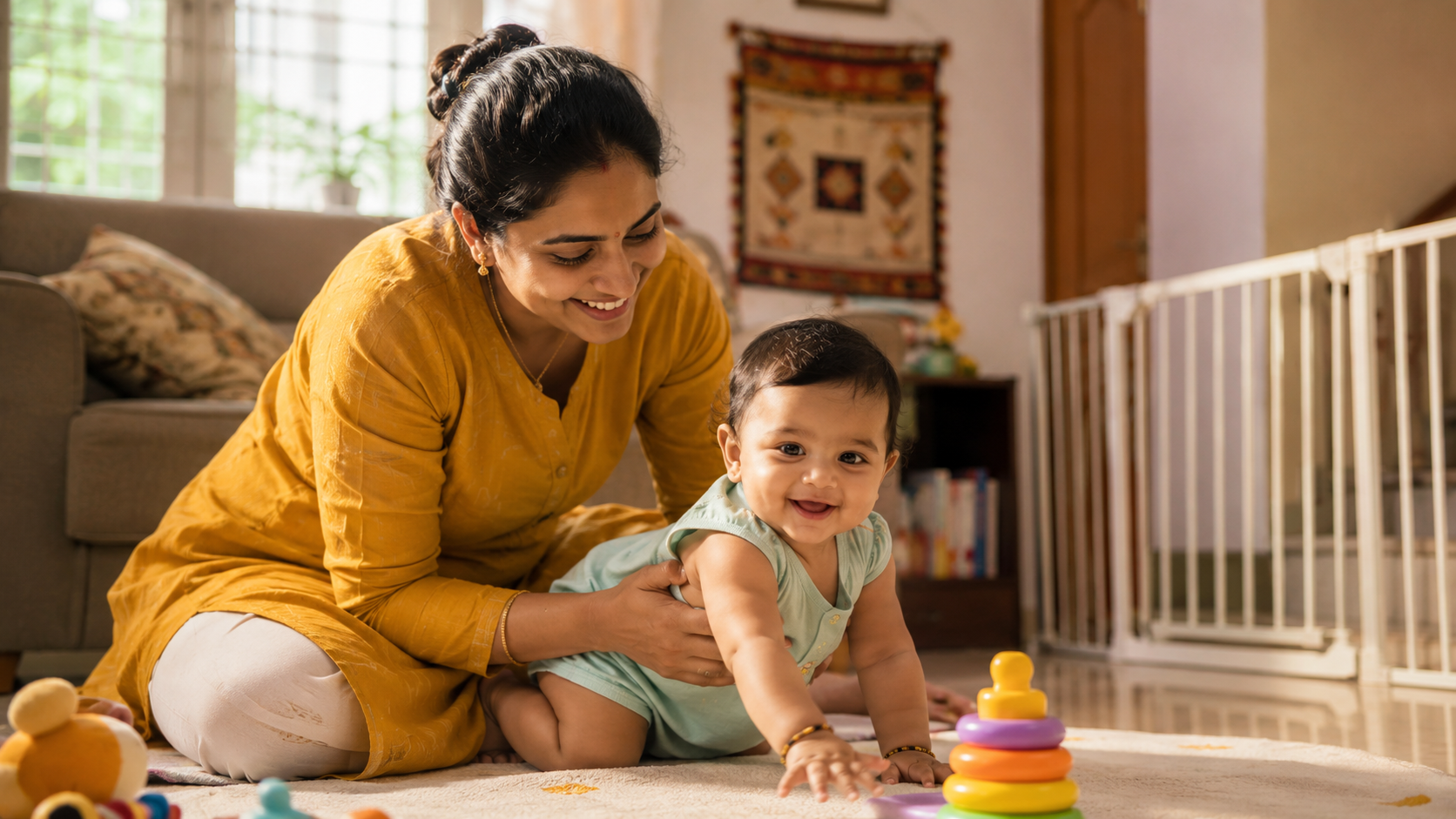
At 10 months, your baby is pulling up to stand and cruising furniture—time to secure TVs and furniture to walls, lock cabinets and drawers, install pressure-mount safety gates at stairs and open areas, and cover sharp corners. Focus on living room, kitchen, bedroom, bathroom, and Indian-specific hazards like open balconies, pooja room diyas, and marble floor slip risks. Most essential items cost ₹79–₹4999 and are available on Amazon.in.
Your 10-month-old is now in what paediatricians call the pulling-up stage: a phase where babies transition from crawling to standing using furniture and walls for support. According to IAP (Indian Academy of Pediatrics) guidelines on infant safety, this is when falls, drowning, and crushing injuries become the top three hazards—surpassing choking as the primary concern. If your baby weighs 8–10 kg (the typical range for a 10-month-old in India) and is tall enough to reach shelves and hang onto furniture, your home layout has changed from a baby's perspective. A living room that felt safe for a 6-month-old crawler is now full of pull-down hazards.
This checklist moves room by room through an average Indian home—from the pooja room corner in Delhi apartments to open balconies in Mumbai high-rises—and identifies the exact products and price points you need. We've tested and priced items available on Amazon.in to help you stop worrying and start moving freely in your own home again.
Baby Proofing Room-by-Room Checklist for 10-Month-Old Crawlers
- Secure all televisions and large furniture to the wall.
Why: A 10-month-old pulling up on a TV stand or bookshelf can topple a 15–25 kg appliance in seconds. IAP data shows furniture tipping is one of the leading causes of head injuries in babies aged 9–12 months. Use TV mounting brackets or furniture straps rated for at least 50 kg. Cost: ₹299–₹899. - Install corner guards and edge bumpers on sharp furniture corners.
Why: As your baby cruises along the sofa and dining table, a hard corner at forehead height becomes a collision risk. Marble-topped tables (common in Indian homes) are especially unforgiving. Adhesive-backed foam corner guards cost ₹149 per pair and can prevent minor but painful head bumps. Cost: ₹149–₹399. - Place a pressure-mounted safety gate at the top of stairs and across open kitchen doorways.
Why: At 10 months, babies can climb down stairs using handholds (dangerous) or crawl into kitchens unsupervised. Pressure-mount gates (no drilling required—crucial for rented homes in Bengaluru and Pune) fit doorways 61–107 cm wide and cost ₹2499–₹4999. They are taller (71 cm) than play pens, preventing climbing escape. Cost: ₹2499–₹4999. - Lock all kitchen cabinets, drawers, and the fridge handle.
Why: A curious 10-month-old will open cabinet doors and pull out anything reachable—cleaning supplies, heavy pans, or fridge shelves. Magnetic cabinet locks (₹99 per pair) and fridge locks (₹149) are silent and invisible, unlike bulky slide bolts. Cost: ₹99–₹299. - Cover or remove access to the gas stove knobs and cooktop.
Why: Indian kitchens typically have stovetops at baby eye-level when standing. Gas knob covers (₹199) prevent accidental gas release and burns. If you use LPG, place a baby-safe stove guard in front of the cooktop (₹499–₹999). Cost: ₹199–₹999. - Install a toilet lock and secure the bathroom door.
Why: Toilet drowning is a real risk at this age—babies can bend forward into a toilet and lack the strength to pull back. A simple toilet lock (₹79) clips onto the lid and requires adult hand strength to open. Keep the bathroom door closed and consider a door lever cover (₹149) to prevent unsupervised entry. Cost: ₹79–₹299. - Guard co-sleeper rails and bed edges if bed-sharing.
Why: If you use a co-sleeper crib attached to your bed, ensure rails are locked (most are), and place a padded bed rail on your side to prevent roll-outs. At 10 months, a baby can shift position rapidly during sleep. A bed rail costs ₹1299–₹1999. Cost: ₹1299–₹1999. - Secure window blind cords and curtain pull-cords away from reach.
Why: Strangulation risk. Bundle excess cord above 150 cm height using adhesive cord organizers (₹149). Never hang cords within arm's reach of furniture a baby can stand on. Cost: ₹149–₹399. - Block access to open balconies and windows with safety netting or barriers.
Why: This is critical for high-rise apartments in Mumbai, Delhi NCR, and Bengaluru. A 10-month-old standing on a chair or climbing onto a sofa can reach a window or balcony edge. Install a pressure-mount safety gate or use safety netting (₹499–₹1499 per window) rated for impact. Cost: ₹499–₹4999 depending on balcony size. - Cover or move pooja room diyas, incense sticks, and oil lamps out of reach.
Why: This is a uniquely Indian hazard rarely mentioned in Western guides. Open flames in diyas and agarbatti are reachable when a baby pulls up on a shelf or table. Move the pooja room off-limits with a safety gate, or relocate items above 150 cm height. A gate costs ₹2499–₹4999 and pays for itself in peace of mind. Cost: ₹2499–₹4999 (if gating needed).
Each item here serves a specific developmental stage: at 10 months, your baby's balance is improving, reach is expanding, and curiosity is relentless. The goal is not to create a sterile environment but to reduce the top 10 crushing, falling, and drowning hazards that IAP identifies as the primary injury sources for this age group.
Indian Home Hazards: What Western Guides Miss
Standard baby proofing articles (even good ones) focus on Western-style homes. Indian homes have distinct architectural and cultural features that create unique hazards:
- Marble and granite flooring: Slips and falls on hard, polished floors are more serious than on carpet. Place non-slip mats (₹299–₹699) in high-traffic areas like the living room and kitchen entrance.
- Ceiling fans with accessible pull cords: In homes with 8–10 ft ceilings, the pull-cord is within reach of a 10-month-old standing on furniture. Secure the cord at 180 cm height using adhesive cord organizers.
- Open balconies and no railing on terrace stairs: High-rise apartments in Tier-1 cities often have balconies with waist-high railings. A 10-month-old cannot fall through a 10 cm gap, but can climb a chair left near the edge. Always close balcony doors and install safety netting.
- Pooja room open access: Unlike Western households, Indian homes typically have an accessible prayer area with open flames, flowers, and fragile items. Gate it off completely or move items above baby reach.
- Staff and relative visits: In homes with domestic help or frequent grandparent visits, keep safety rules consistent. A hired caregiver may not know your baby's climbing speed or curiosity patterns.
What Paediatricians Say
IAP recommends environmental modification as the first line of injury prevention—more effective than teaching a 10-month-old "no." Most parents in tier-1 cities (Mumbai, Delhi, Bengaluru) wait until an injury occurs before installing gates and straps; paediatricians advise doing it before the pulling-up stage begins. A 2023 AIIMS survey found that 64% of Indian infants aged 9–12 months had experienced a minor fall or near-miss at home, most preventable with basic gating and furniture straps.
- Pressure-mount gates are safer than screw-mounted for rented homes and can be reinstalled room-to-room.
- Supervise actively even with all precautions—products reduce risk, not eliminate it.
| Hazard Type | Priority Level | Essential Products | Estimated Cost (₹) |
|---|---|---|---|
| Furniture tipping | Critical | TV mounting bracket, furniture straps | 299–899 |
| Stair / kitchen falls | Critical | Pressure-mount safety gate | 2499–4999 |
| Cabinet/drawer access | High | Magnetic cabinet locks | 99–299 |
| Toilet drowning | High | Toilet lock | 79–199 |
| Corner bumps | Medium | Foam corner guards | 149–399 |
| Balcony fall | Critical (high-rises only) | Safety netting or gate | 499–4999 |
Total estimated spend for a fully proofed 2-3 bedroom Indian home: ₹8000–₹16,000 (one-time investment). This includes one pressure-mount gate, TV strap, cabinet locks, corner guards, toilet lock, furniture straps, and cord organizers—the absolute essentials. Add ₹4000–₹8000 more if you need balcony netting or an additional gate for a second-floor bedroom.
Our Top Picks
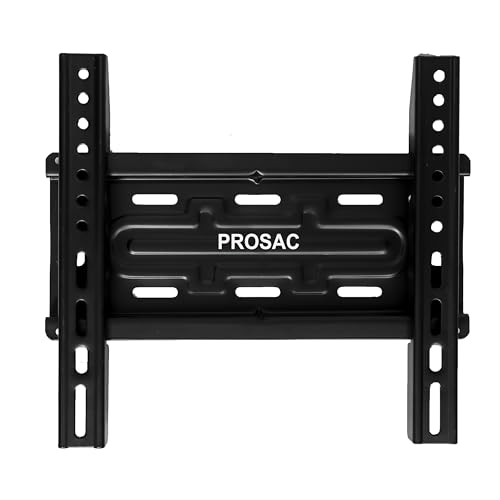
Polycab TV Mounting Bracket with Furniture Strap Kit
- ✓ VESA compatible 75–100 mm
- ✓ Load capacity 50 kg
- ✓ Includes 2 furniture straps rated 50 kg each
* We earn a small commission — at no extra cost to you.
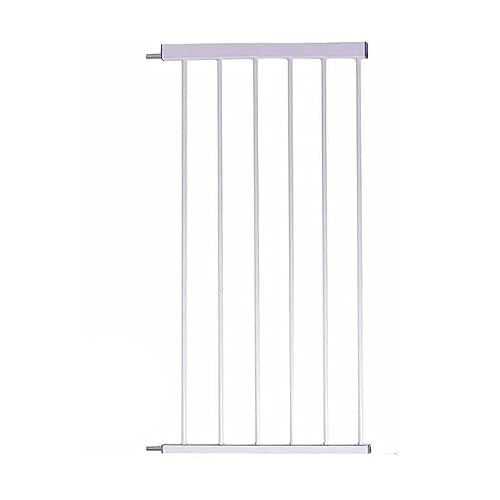
Babyjoy Pressure-Mount Safety Gate (Extra Wide)
- ✓ Fits doorways 61–107 cm
- ✓ Height 71 cm (climb-proof design)
- ✓ Metal frame, no tools required
* We earn a small commission — at no extra cost to you.
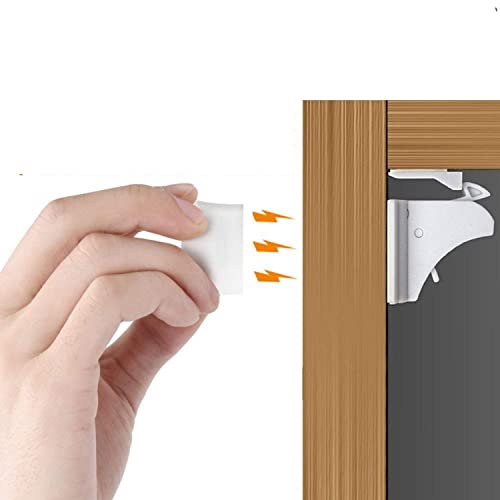
Mee Mee Magnetic Cabinet Lock (Pack of 4)
- ✓ Silent, adhesive-backed design
- ✓ Fits standard cabinet handles
- ✓ Includes magnetic key opener
* We earn a small commission — at no extra cost to you.
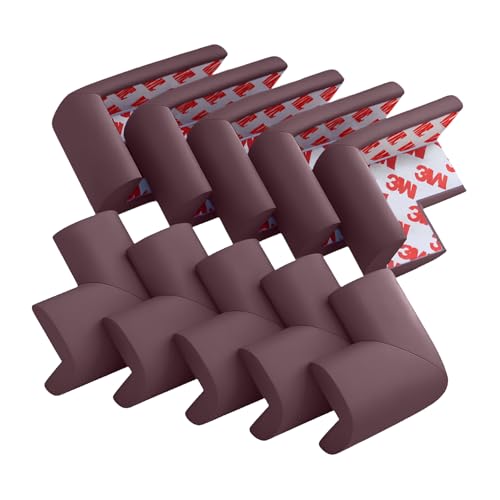
Kiddale Foam Corner Guards (Pack of 8)
- ✓ High-density foam, non-toxic
- ✓ Self-adhesive, waterproof
- ✓ 8 guards (16 corners) per pack
* We earn a small commission — at no extra cost to you.
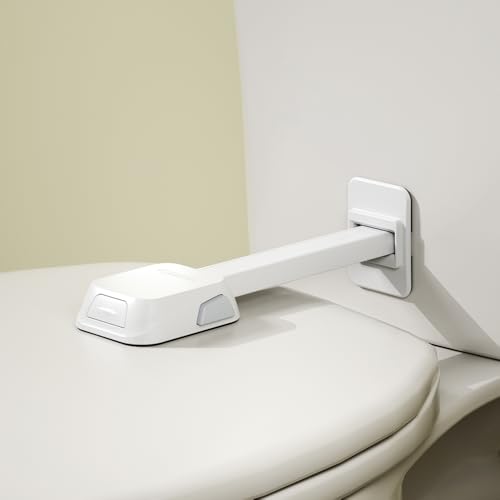
Farlin Baby Toilet Lock with Safety Button
- ✓ Clips onto toilet lid securely
- ✓ Requires adult hand strength to open
- ✓ Fits all standard Indian toilet seats
* We earn a small commission — at no extra cost to you.
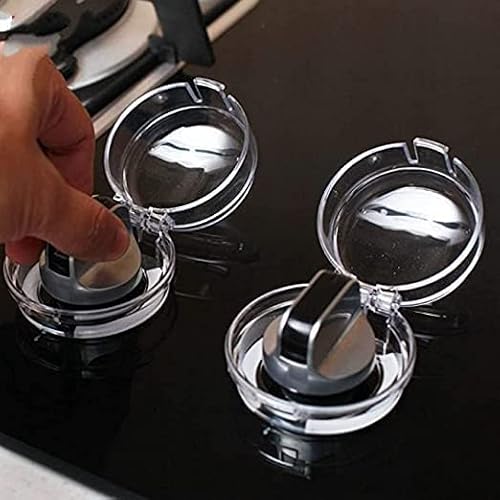
Pigeon Gas Stove Knob Cover (Pack of 2)
- ✓ Silicone, non-toxic material
- ✓ Fits standard LPG knobs
- ✓ Prevents accidental gas release
* We earn a small commission — at no extra cost to you.
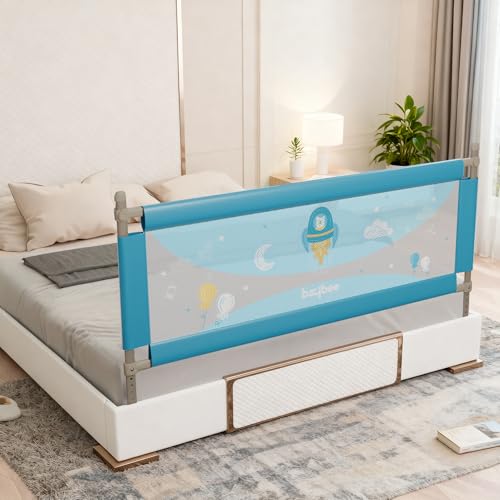
Mastela Padded Bed Rail (150 cm)
- ✓ Mesh fabric, full visibility
- ✓ Fits beds 90–200 cm width
- ✓ Height 50 cm above mattress
* We earn a small commission — at no extra cost to you.
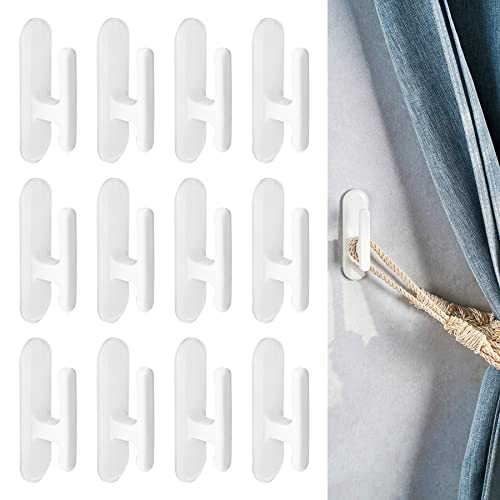
Safe-O-Kid Window Blind Cord Organizer (Pack of 4)
- ✓ Adhesive-backed cord bundler
- ✓ Holds up to 5 cords each
- ✓ Installs at 150+ cm height
* We earn a small commission — at no extra cost to you.
Baby Bucket Window Safety Netting (1.5m x 2m)
- ✓ High-impact polypropylene mesh
- ✓ Fits windows and balcony railings
- ✓ UV-resistant, weather-proof
* We earn a small commission — at no extra cost to you.