
Baby Monitor Under ₹3500: Non-WiFi Setup Guide for Indian Apartments

A complete non-WiFi baby monitor setup for under ₹3500 includes a two-way audio monitor (₹2200), wall bracket (₹350), rechargeable batteries (₹600), and cable management kit (₹250). This setup survives power cuts, needs no WiFi, and works reliably in Indian apartments.
Most Indian parents buying their first baby monitor face the same decision: WiFi or not? WiFi monitors sound modern, but in tier-2 and tier-3 cities—and even in metro apartment complexes during monsoon—internet disconnects happen. A non-WiFi audio-only monitor isn't a step backward; it's peace of mind. I'm breaking down exactly how to build a complete, functional monitor setup for under ₹3500 that won't fail you at 2 a.m. when your WiFi router decides to take a nap.
The core of this budget is a dedicated two-way audio monitor like the VTech VM311 or Summer Infant Baby Monitor, paired with practical add-ons: a secure wall bracket so it doesn't topple off a shelf, rechargeable batteries so you're not buying alkaline packs every month, and cable ties to keep the parent unit's charger neat. Let me walk through what each component does and which brands actually deliver at this price.
The Non-WiFi Monitor: Your Foundation (₹2000–2300)
A non-WiFi audio monitor is a dedicated device that transmits only between the parent unit and baby unit—no internet involved. Two-way audio: you hear the baby and can speak back through the monitor. Night vision: infrared camera lets you see the crib without lights. Temperature display: shows the nursery temp in real time.
The VTech VM311 (typically ₹2199 on Amazon.in) and Summer Infant Baby Monitor models are the two most reliable choices for Indian homes. Both offer clear audio range (25 meters line-of-sight, roughly 15–18 meters through apartment walls), battery backup on the parent unit, and lullabies if needed. VTech tends to have a slightly longer range and a more intuitive parent-unit display; Summer Infant units are compact but the range drops faster through concrete. For a 2BHK apartment, either works, but VTech edges ahead for 3BHK layouts where the nursery is further from the master bedroom.
Why non-WiFi? Three reasons. First: power cuts. When your building loses electricity (common during monsoon in Mumbai, Delhi, and Bengaluru), a WiFi router goes down. A non-WiFi monitor with battery backup keeps working. Second: no data usage—your phone stays free for actual emergencies. Third: one less login to manage when you're already managing feeds, sleep schedules, and diaper laundry. The tradeoff is you can only monitor from home, not from your office or your parents' house. For most new parents in the first 6–8 months, that's fine.
Wall Bracket and Cable Management (₹600 Total)
The monitor's baby unit needs a secure home—not on a shelf where it can fall, not angled awkwardly where you see the ceiling instead of the crib. A wall bracket (₹250–350) mounts the baby camera directly above or beside the crib, aiming down at your infant. Amazon.in stocks generic adjustable brackets for around ₹300; they work with most monitor brands as long as the VESA mount pattern matches (most do). The bracket should rotate 360 degrees and tilt, so you can angle it as your baby grows or if you shift the crib later.
Cable management ties (₹50–100 for a pack of 10) and a wall-mounted power strip (₹150–200) keep the baby unit's charging cable from trailing across the floor where you might trip at night. Safety first: tape down any loose cable along the wall using adhesive clips, never across a walkway.
Rechargeable Batteries: The Hidden Cost Saver (₹600)
The parent unit runs on 4–6 AA batteries, depending on the model. Buy alkalines monthly and you're spending ₹400–500 a month on something that should be one-time. Rechargeable AA batteries (typically Duracell or Panasonic branded, ₹600–800 for a 4-pack charger kit on Amazon.in) cost ₹1.50 per charge cycle and last 1000+ charges. The parent unit can stay on for 8–10 hours per charge of rechargeables. Charge them overnight, and you're done for a week. Over a year, you'll save ₹4000+.
Avoid no-name battery brands; they fail unpredictably and can damage the monitor's battery compartment. Stick to Duracell, Panasonic, or Amazon Basics rechargeable AAs, all available on Amazon.in at reasonable prices.
2BHK Placement: Where the Monitor Actually Works
In a 2BHK apartment, the nursery is usually 8–12 meters from the master bedroom. Non-WiFi range is typically 20–30 meters in open air, but apartment walls cut that by 30–50%. Place the baby unit directly on the wall bracket above the crib, aimed downward. Put the parent unit on your bedside table or clip it to your pillow at night. Test the range on day one: walk from the nursery to your bedroom, the balcony, and the living room. If audio drops, move the baby unit higher (sound travels better from elevation) or reposition slightly to avoid dead spots behind thick walls or metal fixtures.
Common mistakes: hiding the baby unit in a cupboard to keep it out of sight (blocks signal), placing it too far from the crib (misses cries), or putting both units on the floor (walls interfere). Mount high, keep line-of-sight as clear as possible, and test before the baby arrives.
Power Cuts and Monsoon Protection
What paediatricians say: According to IAP (Indian Academy of Pediatrics), sleep monitoring is optional beyond the first month but safety—like secure sleeping position—is essential. A monitor helps, but it's not a substitute for checking on your baby physically every few hours, especially if your monitor fails.
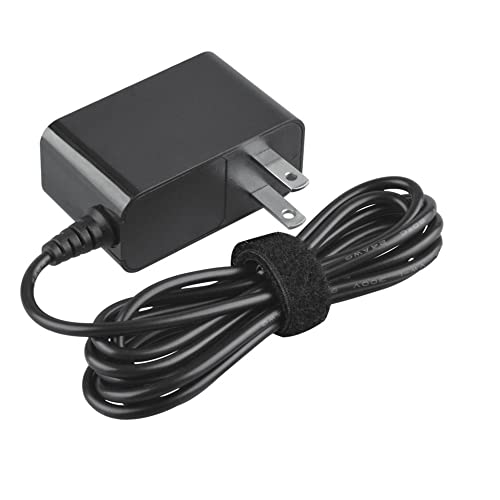
During power cuts, your home's main WiFi router dies within minutes. A non-WiFi monitor with battery backup keeps running for 8–10 hours. If the cut lasts longer, swap the rechargeable batteries and carry the parent unit with you. Keep a small backup power bank (₹1500–2000) in your bedroom to charge the parent unit if needed.
What Paediatricians Say
IAP Sleep Safety Guideline (2024): Room-sharing without bed-sharing is safest for the first 6 months. A monitor helps when you're in another room, but check your baby physically every 2–3 hours. Battery backup matters: In India's climate, power cuts are common. A monitor that stops working defeats its purpose.
VTech VM311 vs Summer Infant: Quick Comparison
Both are solid choices under ₹3500 total. VTech VM311 (₹2199): larger parent display, 25m range, temperature sensor, lullabies, 8-hour battery life on rechargeables. Summer Infant Baby Monitor (₹1999–2299 depending on model): compact parent unit, 20m range, night vision, 6–7 hour battery life. VTech wins on range and display clarity; Summer Infant wins on portability if you move between rooms often. For a 2BHK where you mostly watch from bed, VTech is the safer bet. For apartments where you carry the monitor between rooms, Summer Infant's lighter weight helps.
Both are available on Amazon.in with next-day delivery in metro areas and 2–3 day delivery in tier-2 cities. Check reviews: look for feedback on actual range (not marketing claims), battery life in your climate (heat reduces rechargeable battery duration), and whether the audio is clear enough to distinguish a cry from a yawn at night.
Final Budget Breakdown
- Two-way audio monitor: ₹2199
- Wall bracket + clips: ₹350
- Rechargeable batteries + charger: ₹650
- Cable management kit: ₹100
Total: ₹3299 — well under your ₹3500 ceiling.
This setup requires no WiFi, survives power cuts, costs nothing to run after month one (rechargeable batteries), and lasts 3–4 years before the battery pack weakens. It won't let you check on your baby from your office, but it will let you sleep knowing you'll hear a cry from across the apartment. For most Indian parents in their first year, that's exactly what matters.
Our Top Picks
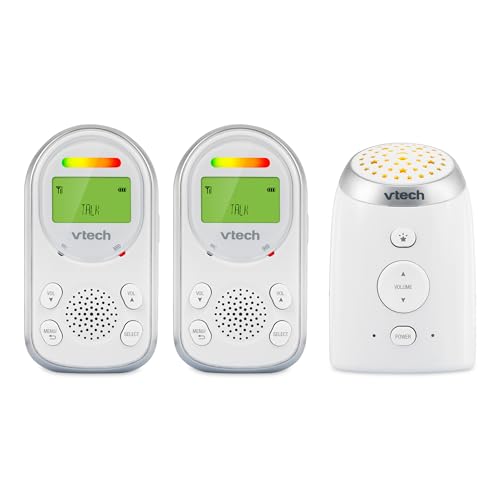
VTech VM311 Digital Audio Baby Monitor
- ✓ Two-way audio communication
- ✓ 25-meter range (open air), 15-18m through apartment walls
- ✓ Night vision with infrared
* We earn a small commission — at no extra cost to you.
Summer Infant Baby Monitor Audio (Non-WiFi)
- ✓ Two-way talk-back system
- ✓ 20-meter range (line-of-sight)
- ✓ Infrared night vision
* We earn a small commission — at no extra cost to you.

Duracell Rechargeable AA Battery Kit (4-Pack with Charger)
- ✓ 4 AA 2500mAh rechargeable batteries
- ✓ Compact fast charger included
- ✓ 1000+ charge cycles
* We earn a small commission — at no extra cost to you.
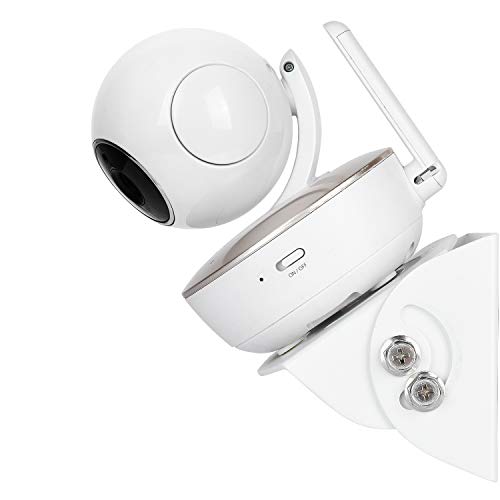
Adjustable Baby Monitor Wall Mount Bracket
- ✓ 360-degree rotation and 90-degree tilt
- ✓ Compatible with VTech and Summer Infant monitors
- ✓ Stainless steel construction
* We earn a small commission — at no extra cost to you.
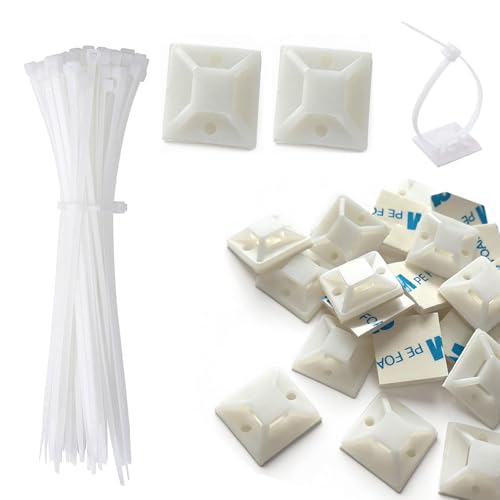
Cable Management Kit with Adhesive Clips (Pack of 10)
- ✓ 10 reusable adhesive cable clips
- ✓ Holds cables up to 8mm diameter
- ✓ No-drill installation
* We earn a small commission — at no extra cost to you.