
Baby Massage Myths vs Paediatrician Guidelines: What Actually Works in 2026

Most traditional massage practices are safe, but specific claims-like mustard oil strengthening bones or kajal improving eyesight-aren't supported by paediatricians. IAP recommends gentle massage with cold-pressed coconut or mineral oil after bath (not before), avoiding the abdomen in the first month, and skipping massage entirely if baby has fever or skin infections.
If you're a parent in Delhi, Mumbai, Bengaluru, or any Indian city, you've heard it: "Beta, roz massage karo-haddiyaan mजबूत होंगी" (Baby, massage daily-bones will strengthen). Your mother, mother-in-law, or the neighbourhood aunty has probably already oiled your newborn's legs and insisted on stretching them to make baby "taller." The advice feels ancient, tested, and grandmother-approved. But what does modern paediatrics actually say? And more importantly, which of these practices are genuinely helpful versus which ones are just myths that persist because they've been repeated for generations?
The gap between traditional wisdom and clinical evidence creates real confusion for new parents. This guide walks you through the 4 biggest baby massage myths in India, what IAP (Indian Academy of Pediatrics) actually recommends, which oils are genuinely safe (with 2026 prices), and how to reconcile grandmother's advice with your paediatrician's without causing family drama-because let's be honest, that matters too.
The 4 Massage Myths Indian Parents Believe-And What Science Says
Myth 1: Mustard Oil Strengthens Baby's Bones
This is the king of Indian baby massage myths. Mustard oil is warm, fragrant, and has been used for centuries. The logic sounds bulletproof: mustard oil is "heating" (in Ayurvedic terms), so it must build strong bones. But here's what actually happens: bone strength in infants depends almost entirely on calcium and vitamin D intake (through breast milk or formula, plus sun exposure), not on topical oil application. No amount of mustard oil massage will increase bone mineral density if your baby isn't getting adequate nutrition or vitamin D synthesis from sunlight.
The IAP position is clear: massage itself has proven benefits for bonding and circulation, but the oil type doesn't determine bone health. If your baby is exclusively breastfed and getting 10-15 minutes of morning sunlight daily (as recommended for vitamin D), the choice between mustard and coconut oil is about comfort and skin safety, not skeletal development. Mustard oil is safe for most babies, but the "bone-strengthening" claim is marketing dressed as tradition.
Myth 2: Daily Massage Before Bath Is Mandatory
Indian routine often places massage before the bath: oil, massage, then wash. Paediatricians, however, recommend massage after the bath because: (1) baby's skin is warm and more absorbent post-bath, (2) you reduce the risk of oil buildup on the scalp (which can trap sweat and cause cradle cap), and (3) the warmth from bathing naturally relaxes muscles, making massage more effective.
Is pre-bath massage harmful? Not necessarily. But it's not "mandatory" for development-it's just tradition. According to WHO guidelines on infant care, gentle massage is optional and beneficial if done correctly, but skipping it won't slow your baby's growth. Some babies actually find pre-massage uncomfortable if they're hungry or tired. The verdict: massage is good, but timing and your baby's mood matter more than ritual.
Myth 3: Stretching Baby's Legs Makes Them Taller
This one breaks my heart because I see parents (and caregivers in Jaipur, Lucknow, and Chennai daycare centres) physically stretching infants' legs as if they're taffy. The claim: "Taano se height badhegi" (stretch = more height). Height is determined by genetics (70%), nutrition, and growth hormone secretion-none of which are influenced by passive leg stretching. In fact, aggressive stretching can strain developing joints and ligaments.
Gentle, natural leg movements during massage (never forced) are fine and promote circulation. But deliberate stretching or pulling? IAP pediatricians advise against it. Your 6-month-old's height forecast is already set by parental genes; your job is optimal nutrition, not gymnastics.
Myth 4: Kajal (Kohl) Improves Eyesight and Protects Against Evil Eye
Kajal has zero impact on vision development or eye health. What it can do: introduce bacteria, cause eye infections, or trigger allergic reactions, especially if the kajal contains lead (yes, some traditional kajals still have heavy metals). The "protection against evil eye" is cultural and spiritual-completely valid in your family tradition, but medically irrelevant.
If you use kajal for cultural reasons, choose brands specifically tested for lead and heavy metals, and apply it to the outer corner of the eyelid only-never inside the eye itself. Better yet, skip the eyelid application and use kajal as a bindi or apply it on the baby's hand for symbolic reasons, avoiding the eyes entirely.
Safe Oils for Baby Massage in India (2026 Prices)
Now that myths are cleared, what oils actually work? Here are three trusted options available on Amazon.in with real 2026 pricing:
| Oil | Price (Rs.) | Best For | Key Details |
|---|---|---|---|
| Cold-Pressed Coconut Oil (organic) | 150-200 | All skin types, sensitive skin | Natural, minimal processing, slight coconut scent, easily absorbed |
| Himalaya Baby Massage Oil | 180-220 | Everyday massage, skin nourishment | Pediatrician-tested, hypoallergenic, blend of coconut and mineral oils |
| Mamaearth Nourishing Oil | 299-350 | Sensitive or dry skin, natural preference | Plant-based, no mineral oil, certified natural, higher price point |
All three are widely available on Amazon.in with 4.0+ star ratings from 2,000+ reviews. The Himalaya option offers the best value for routine massage; Mamaearth suits parents wanting a fully natural product; cold-pressed coconut is the budget option and equally effective for most babies.
When to Skip Massage Entirely
- First month of life: Avoid abdominal massage; stick to gentle limb and back massage only.
- Fever or infection: Never massage a baby with fever (paediatricians recommend skipping any non-essential skin contact during infections).
- Skin conditions: Eczema flare-ups, diaper rash, or open wounds-massage can worsen these.
- Immediately after feeding: Wait 30 minutes to avoid reflux or vomiting.
- Baby is distressed: If your baby cries or seems uncomfortable, stop. Massage should feel soothing, not forced.
Correct Massage Technique (IAP Guidelines)
Gentle pressure on arms and legs, circular motions on the back and chest, light fingertip strokes on the face. Duration: 5-10 minutes, after bath, when baby is calm. Pressure should be light enough that a newborn's skin doesn't blanch. If you're unsure, ask your paediatrician to demo the first time-no shame in that.
What Paediatricians Say
IAP position (2024): Infant massage is beneficial for bonding and mild circulation improvement, but it's optional, not mandatory. Safe oils include coconut, mineral, and paediatrician-tested blends. Avoid mustard oil claims about bone strength-they're unsubstantiated. Never force stretching.
- Bonding benefit: Skin-to-skin contact during massage releases oxytocin in both parent and baby.
- Oil choice: Coconut or mineral oil are equally safe; natural doesn't mean better for sensitive newborn skin.
Reconciling grandmother and doctor: Most traditional massage practices are safe-the myths aren't about harm, they're about overstated benefits. You can massage your baby daily (if baby enjoys it) with safe oils, and skip the claims about bone strength or height. Your grandmother's intention was always loving; the science just reframes what the massage actually does: creates bonding, warms the skin, and soothes the baby. That's enough.
Our Top Picks
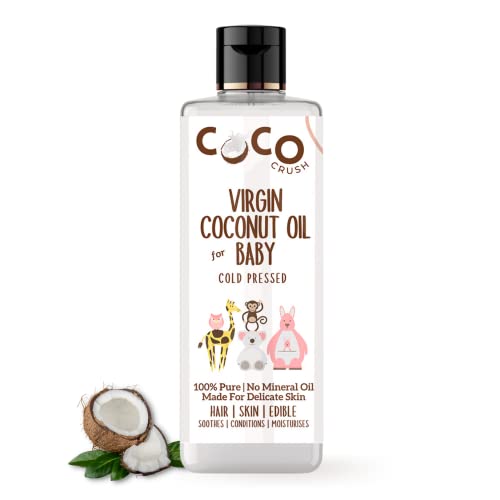
Cold-Pressed Organic Coconut Oil for Baby Massage
- ✓ 100% organic cold-pressed
- ✓ No additives or preservatives
- ✓ Absorbs quickly, light coconut scent
* We earn a small commission — at no extra cost to you.
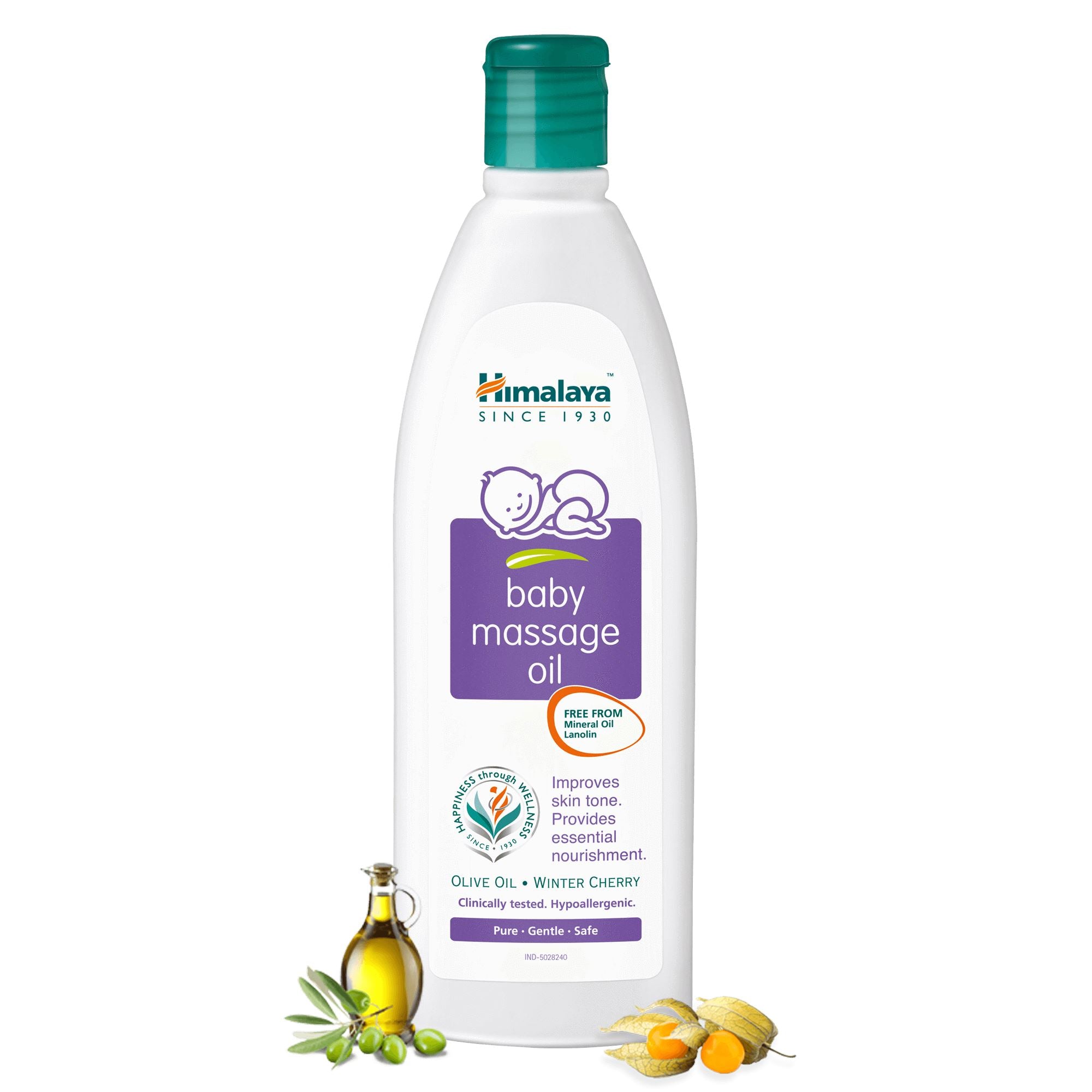
Himalaya Baby Massage Oil
- ✓ Pediatrician-tested formula
- ✓ Blend of coconut and mineral oils
- ✓ Hypoallergenic, mild fragrance-free
* We earn a small commission — at no extra cost to you.
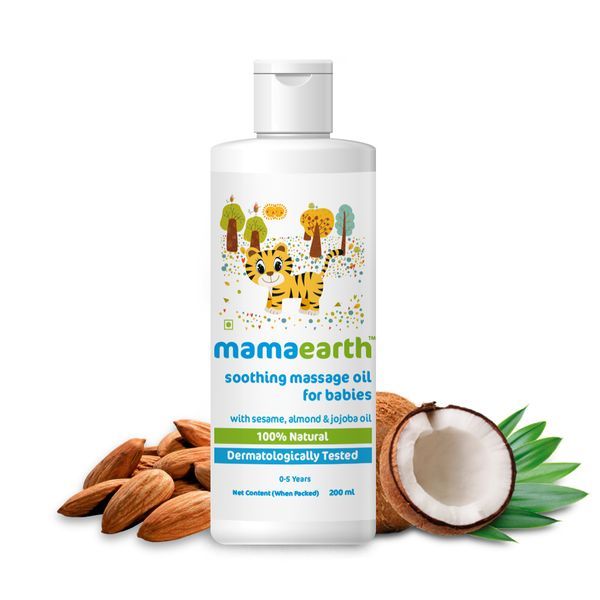
Mamaearth Nourishing Oil for Baby Massage
- ✓ 100% plant-based, no mineral oil
- ✓ Certified natural ingredients
- ✓ Lightweight, absorbs without greasing
* We earn a small commission — at no extra cost to you.