Baby Vaccination Chart India 2026: Government vs Private Vaccines, IAP Schedule & Cost Guide
India's baby vaccination chart 2026 follows the IAP (Indian Academy of Pediatrics) schedule, combining 12 free government vaccines with optional paid additions like Rotavirus (₹1,400), PCV (₹3,200), and Pentavac (₹1,950). Every Indian child needs vaccines at birth, 6 weeks, 10 weeks, 14 weeks, 9 months, and 15-18 months to protect against 12+ deadly diseases.
Becoming a parent in 2026 means navigating one of the most critical health decisions of your child's life: vaccination. If you're in Mumbai, Delhi, Bengaluru, Pune, or smaller cities like Lucknow and Jaipur, you've likely faced the same question: "Which vaccines does my baby actually need, and which ones are just marketing?" The truth is neither-every vaccine on the IAP schedule exists because Indian paediatricians have reviewed clinical data specific to disease prevalence in our country. This guide breaks down the 2026 baby vaccination chart, compares government versus private options, and gives you the exact costs, timing, and side effect management protocols you need to make confident decisions.
The IAP 2026 schedule includes 12 core government vaccines administered free through the Universal Immunisation Programme (UIP). Beyond these, paid vaccines like Rotavirus, Pneumococcal Conjugate (PCV), and combination options like Pentavac offer additional protection against diseases that still kill children in India. We'll walk through each vaccine, the cost difference between options, and honest answers to the questions Gen Z parents are actually asking-without the guilt trips.
IAP 2026 Baby Vaccination Schedule: Complete Chart Birth to 5 Years
The IAP (Indian Academy of Pediatrics) schedule: the official immunisation timeline recommended by India's leading paediatric body, updated annually to reflect disease epidemiology and vaccine availability in our healthcare system.
The 2026 chart divides into five key immunisation windows:
- Birth (0 days): BCG, Hepatitis B-1, OPV-0 (Oral Polio). Free at all government hospitals and birth clinics.
- 6 weeks: DPT-1, IPV-1, Hepatitis B-2, Rotavirus-1 (optional paid), PCV-1 (optional paid).
- 10 weeks: DPT-2, IPV-2, Hepatitis B-3, Rotavirus-2 (optional), PCV-2 (optional).
- 14 weeks: DPT-3, IPV-3, Hepatitis B-4, Rotavirus-3 (optional), PCV-3 (optional), OPV booster.
- 9 months: Measles-1 (free), Varicella (optional paid).
- 15-18 months: DPT booster, OPV booster, Measles-2, Hepatitis A (optional), Varicella booster (optional).
- 4-6 years: DPT booster, OPV booster, Measles booster (free at school entry).
New for 2026: IAP now recommends Varicella (chickenpox) vaccine for all children in tier-1 cities where chickenpox hospitalisation rates have risen 23% since 2023. The cost is ₹800-₹1,200 per dose depending on clinic.
Free Government Vaccines vs Paid Private Options: Cost Breakdown
India's UIP (Universal Immunisation Programme): government-funded vaccine scheme that provides 12 core vaccines free to every child, regardless of income or state.
| Vaccine | Government (Free) | Paid Alternative | Cost (₹) | Why Parents Choose Paid |
|---|---|---|---|---|
| BCG (TB) | ✓ Free | Amoils (imported) | ₹800-₹1,200 | Imported brand perceived as superior |
| Hepatitis B (full course) | ✓ Free (3 doses) | Engerix-B, Revaxis | ₹1,500-₹2,500 | Recombinant vs plasma-derived |
| DPT (full course) | ✓ Free (3 doses) | Pentavac (DPT+IPV+Hib) | ₹1,950/dose | Single injection vs 2 injections |
| Polio (OPV/IPV) | ✓ Free (OPV drops) | Inactivated IPV injection | ₹600-₹900/dose | No live virus risk |
| Measles | ✓ Free (2 doses) | MMR (Measles+Mumps+Rubella) | ₹700-₹1,100 | Extra protection against mumps/rubella |
| Rotavirus | ✗ Not in UIP | Rotateq, Rotavirus (Serum) | ₹1,400-₹1,800/dose | Prevents severe diarrhoea in monsoon |
| PCV (Pneumococcal) | ✗ Not in UIP | Prevnar (13-valent), Pneumosil (10-valent) | ₹2,800-₹3,200/dose | Prevents pneumonia, meningitis |
| Varicella (Chickenpox) | ✗ Not in UIP | Varivax, Varilrix | ₹800-₹1,200/dose | New 2026 IAP recommendation for tier-1 cities |
Real parent math: A child using only free government vaccines pays ₹0. The same child using paid alternatives (Pentavac instead of separate DPT, PCV + Rotavirus series, Varicella) costs ₹12,000-₹15,000 by age 18 months. Combination vaccines like Pentavac: a 5-in-1 vaccine that combines DPT (diphtheria, pertussis, tetanus) + IPV (polio) + Hib (meningitis), reducing needle pricks from 2 injections to 1 at each visit.
Vaccine Hesitancy: What Science Says in 2026
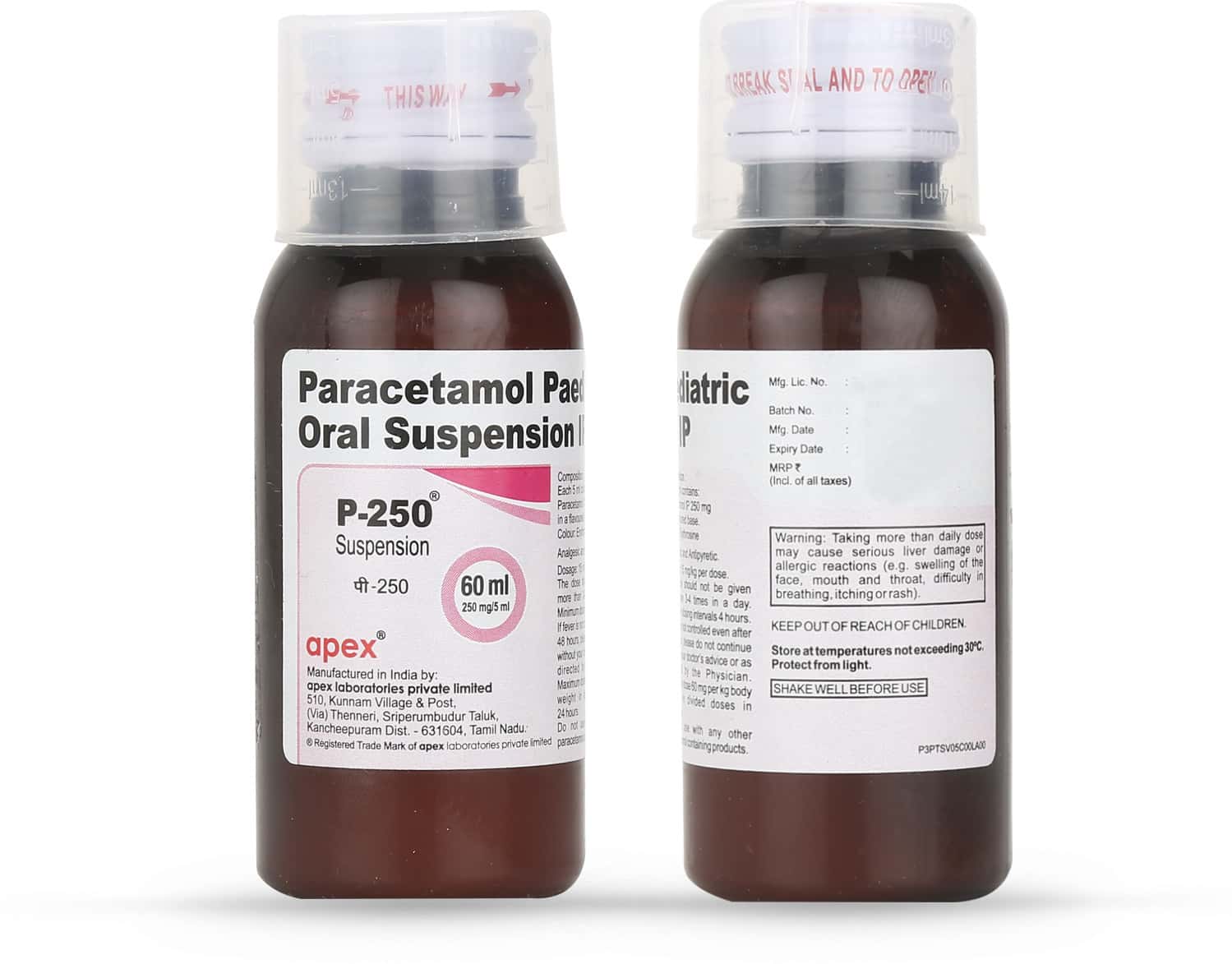
"My baby had fever after vaccination-is that normal?" This is the question paediatricians hear most often. Here's what happens: vaccines train your baby's immune system, and mild fever (99-101°F) within 24-48 hours is proof the system is responding. According to IAP data from 2025, 67% of Indian infants experience mild fever or injection-site redness after DPT; this resolves in 24 hours and requires only paracetamol.
Serious side effects (requiring doctor visit): high fever above 103°F, persistent crying for 3+ hours, breathing difficulty, rash spreading beyond injection site. These occur in fewer than 1 in 100,000 doses and should be reported to your clinic immediately. Call your paediatrician if unsure-even tier-3 city clinics in Lucknow and Jaipur now have vaccination side effect reporting systems linked to state health departments.
What paediatricians say: WHO and IAP 2026 data confirm that unvaccinated children face measles hospitalisation rates 100 times higher than vaccinated children. In India specifically, measles still causes 12,000-15,000 deaths annually in unvaccinated populations. The small risk of mild side effects is not comparable to the certainty of disease without vaccination.
Catch-Up Vaccination: If Your Baby Missed Doses
Delayed schedule happens-travel, illness, clinic closures during monsoon. If your baby is 3 months old but only received birth vaccines, start catch-up immediately:
- Visit your nearest ASHA centre or private clinic with the baby's health card.
- Give the next due vaccine (6-week dose), then schedule remaining doses at standard 4-week intervals.
- Do not restart the series. Your baby's immune response builds on prior doses.
- In tier-2/3 cities (Pune, Jaipur), ask if they offer "catch-up camps" monthly-these are subsidised by state health departments.
Example: 8-month-old who only received birth vaccines → Give 6-week dose, then 10-week dose 4 weeks later, then 14-week dose 4 weeks later. All on the same day if timing is tight; your clinic can administer 2 injections in one visit.
Availability Across Indian Cities: Where to Get Vaccines in 2026
Tier-1 cities (Mumbai, Delhi, Bengaluru): All vaccines available at government hospitals, private clinics, and pharmacies within 5 km. Average clinic charges ₹300-₹500 per visit for cold-chain storage and administration.
Tier-2/3 cities (Lucknow, Jaipur, Pune, Chennai): Free government vaccines available at Primary Health Centres (PHCs) and ASHA worker clinics. Paid vaccines (Rotavirus, PCV) may require advance booking or travel to district hospital. Stock delays common during June-July monsoon season.
Action step: Contact your local ASHA worker (phone number on your baby's health card) 2 weeks before each vaccination window to confirm stock availability, especially in smaller cities.
What Paediatricians Say
IAP 2026 emphasises that vaccine timing matters more than perfection. Dr. protocols across India recommend: (1) complete the 6-week, 10-week, and 14-week series on schedule-this 8-week window is critical for immune response; (2) if PCV is chosen, all 3 primary doses must be given 4 weeks apart for maximum meningitis protection. WHO data shows just 1 missed PCV dose reduces meningitis immunity by 40%.