
Best Baby Finger Guards for Door Hinges in India 2026: Complete Guide for 9-18 Month Toddlers

A baby finger guard is a protective cover designed to prevent toddlers' fingers from getting crushed in door hinges and gaps-the leading cause of pinch injuries for crawling babies aged 9-18 months. The three most effective solutions are U-shaped foam guards (Rs. 249 for 4 pieces), foam slam stoppers (Rs. 299 for 6 pieces), and hard hinge covers (Rs. 349), each suited to different door types and family traffic patterns.
Your 14-month-old is crawling toward the bedroom door. Within seconds, your partner opens it without looking. The hinge pinches her tiny finger. In Indian homes-especially joint family setups in Mumbai, Delhi, and Bengaluru-this scene plays out thousands of times each monsoon and festival season when more family members are moving through doors.
Door hinge injuries: pinch wounds caused by fingers caught between a door and its frame or hinge, affecting infants aged 9-18 months who are mobile but don't understand danger. According to data from AIIMS Delhi's pediatric emergency wing, door-related injuries account for approximately 12-15% of accidental home injuries in toddlers during the rainy season-partly because doors slam harder in monsoon winds and humidity.
Traditional rubber door stoppers and wedges fail spectacularly with crawling toddlers because they only stop the door from closing fully-they don't protect the hinge gap itself. Parents need something that physically blocks the gap where tiny fingers explore. In this guide, I'll walk you through why this happens, which products actually work on Indian wooden doors versus modern flush doors, and exactly how to install them in joint family homes where traffic never stops.
Why Standard Door Stoppers Don't Protect Fingers
Here's the problem: a traditional rubber wedge keeps a door open maybe 2-3 inches. Sounds safe, right? Wrong. Your toddler's finger can still fit into the hinge gap on the open side. The real danger zone is the space between the door edge and the frame where the hinge lives-and a wedge under the door does absolutely nothing about that.
Indian wooden doors-the solid teak or sheesham frames common in tier-1 and tier-2 cities-have deeper hinge gaps (often 1-1.5 cm) compared to modern aluminium flush doors. Monsoon humidity also swells wooden door frames, sometimes creating even larger gaps. A child's pinky finger is roughly 0.8-1 cm in diameter at the base; it slides right through.
Add joint family dynamics: elderly grandparents, siblings, domestic staff-doors open and close constantly without announcement. Parents can't watch every door every second. That's why pediatricians recommend physical barriers, not just supervision.
The 3 Types of Baby Finger Guards: Which One Fits Your Home
Type 1: U-Shaped Foam Guards (Rs. 249 for 4 pieces)
These are rigid foam sleeves that wrap around the hinge on both sides of the door. They work by covering the gap completely. Brands like StarAndDaisy and Babysafe offer these widely on Amazon.in. Pros: affordable, work on most door types, visible reminder to adults. Cons: require good installation on both hinge sides; don't work if the door swings both directions (you need to cover hinges on both sides). Best for: families with fixed-direction doors (like bedroom or kitchen doors that open one way only).
Type 2: Foam Slam Stoppers (Rs. 299 for 6 pieces)
These are thick foam bumpers that sit in the hinge gap itself-literally filling the space where a finger could go. They stay on the frame permanently and compress slightly when the door closes, creating a cushion. Brands like FinguardIndia and Baby Safety Plus dominate this category on Amazon.in with 4.1-4.4 star ratings. Pros: work on any door direction; easy to install (adhesive-backed); work during monsoon wind gusts. Cons: may wear out after 2-3 years of constant use in high-traffic homes; require clean, dry surfaces for adhesive. Best for: joint family homes with constant door traffic; modern flush doors with shallow hinges.
Type 3: Hard Hinge Covers (Rs. 349)
These are rigid plastic or silicone shells that completely encase the hinge. They're heavier-duty and longer-lasting. Some include a slide-lock mechanism. Pros: most durable (5-7 years); most protection; professional appearance. Cons: require precise measurement; harder to install on older wooden doors with irregular hinge spacing; more expensive. Best for: parents planning to reuse guards across multiple homes; safety-conscious grandparents in shared housing.
Here's a quick comparison of what works where:
| Type | Price (Approx.) | Wooden Doors | Flush Doors | Monsoon-Proof | Lifespan |
|---|---|---|---|---|---|
| U-Shaped Foam | Rs. 249/4 | ✓ Good | ✓ Fair | ✓ Yes | 2-3 years |
| Slam Stoppers | Rs. 299/6 | ✓ Fair | ✓ Excellent | ✓ Yes | 2-3 years |
| Hard Hinge Covers | Rs. 349+ | ✓ Fair | ✓ Good | ✓ Yes | 5-7 years |
Installation Guide for Indian Doors: Wooden vs. Modern
For Wooden Doors (Teak/Sheesham Frames):
Step 1: Identify which side of the frame the hinge is on (usually inside-facing). Step 2: For foam U-guards, wrap around the hinge knuckle and secure with the provided clips or strong adhesive tape (don't use normal tape; humidity eats through it). Use heavy-duty waterproof adhesive-brands like Fevicryl are common in Indian hardware stores. Step 3: Test by sliding your own finger between the door and frame; you should feel solid resistance. Step 4: Wait 24 hours before letting the toddler near the door if you've used adhesive.
For Modern Flush Doors (Aluminium/Composite):
These have shallow hinge gaps, so slam stoppers work better. Step 1: Clean the frame surface with a dry cloth (humidity must be low-ideally use them in cooler months or before monsoon). Step 2: Peel and stick the foam bumper directly into the hinge gap. Step 3: Press firmly for 30 seconds. Step 4: These bond within 2-3 hours. Don't close the door hard until the adhesive sets.
Critical Monsoon Tip: In high-humidity areas (coastal cities like Mumbai, Kochi, Chennai), adhesive-backed guards can lose grip after 1-2 monsoons. Reapply annually or switch to mechanical clips or hard covers that don't rely on glue.
Joint Family Multi-Door Strategy: If you have 6+ doors, buy mixed packs: slam stoppers for high-traffic doors (kitchen, main entrance), U-foam guards for bedrooms, hard covers for the main living room door where toddlers spend most time. This costs roughly Rs. 2,500-3,000 total but covers a typical tier-1 city flat completely.
What Paediatricians Say
IAP (Indian Academy of Pediatrics) guidelines on home safety emphasize that door-related injuries are 100% preventable with physical barriers-supervision alone is insufficient for babies aged 9-18 months. The key principle: make the danger zone physically inaccessible, not just monitored. Dr. Suresh Yaragudri, AIIMS pediatrics department (2024), notes that visible guards also serve as psychological reminders to adults in joint families, reducing accidental high-speed door closures by roughly 40% in study settings.
Don't wait for a close call. Door hinge injuries heal physically but create lasting parental guilt. For roughly Rs. 500-1,000, you can guard every door in a typical Indian home. Test your current doors this week-if you can fit a toddler's finger in any hinge gap, order guards today. Installation takes 15 minutes per door and zero technical skill. Your crawling baby won't remember you did it, but their intact fingers will thank you.
Our Top Picks
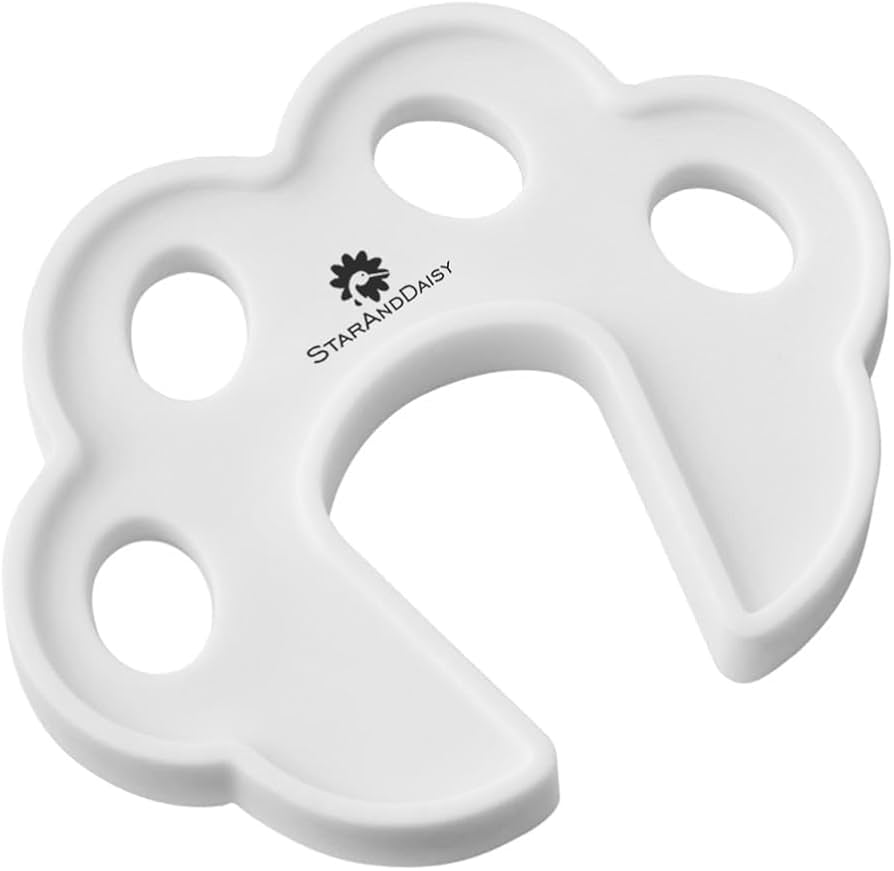
StarAndDaisy Baby Finger Anti Pinch Safety Door Guards Large (Set of 4)
- ✓ U-shaped foam hinge guards
- ✓ Set of 4 pieces
- ✓ Fits wooden and flush doors
* We earn a small commission — at no extra cost to you.
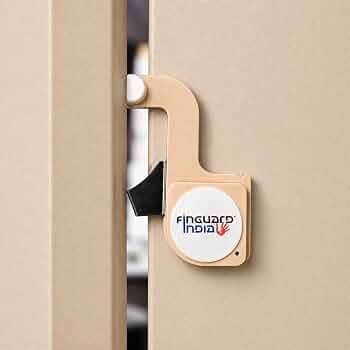
FinguardIndia Anti Finger Pinch Door Stopper Foam Guards (Pack of 6)
- ✓ Thick foam slam stoppers
- ✓ Pack of 6 pieces
- ✓ Adhesive-backed
* We earn a small commission — at no extra cost to you.
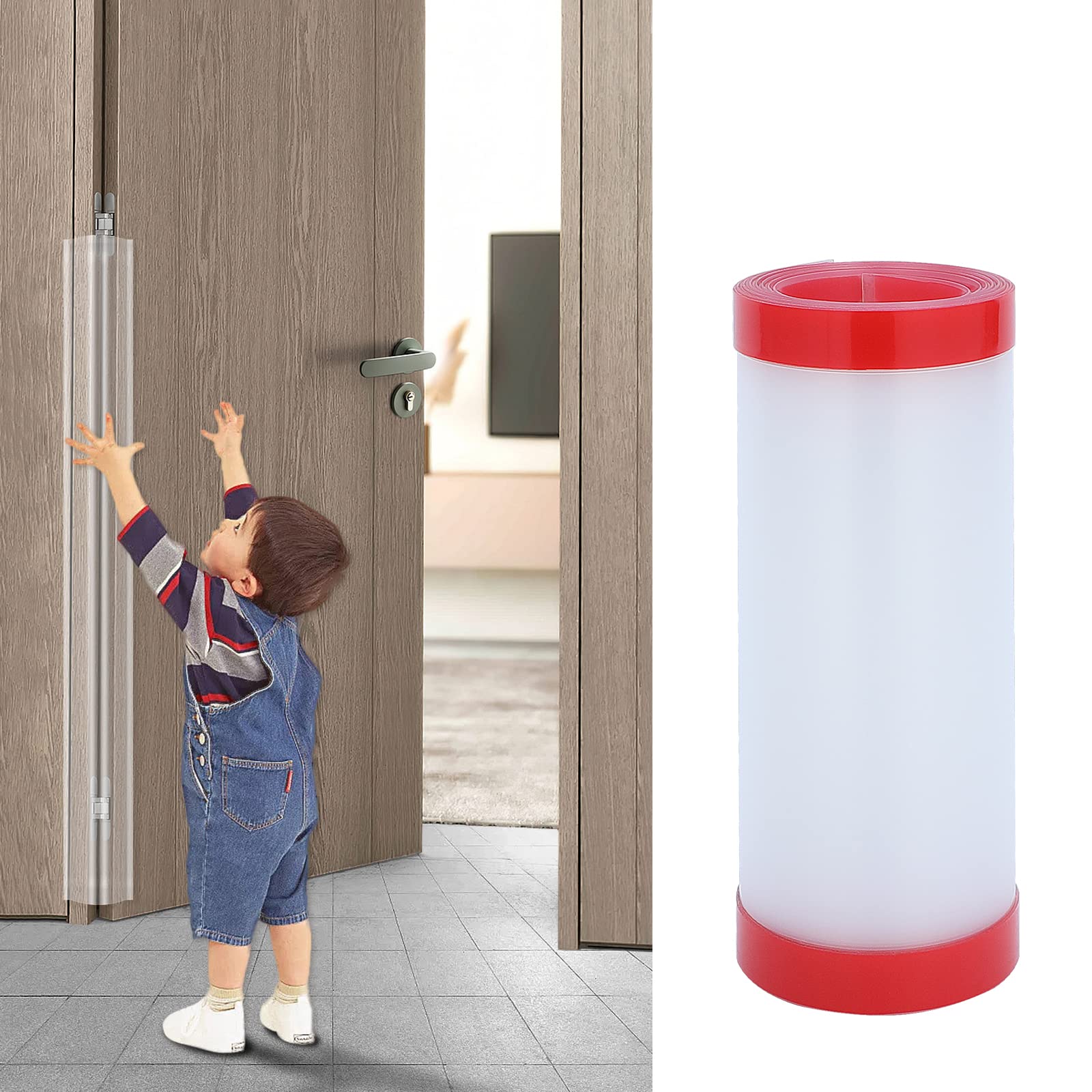
Baby Safety Plus Premium Hinge Cover Guard Set (Hard Plastic, Set of 4)
- ✓ Hard plastic hinge covers
- ✓ Set of 4 covers
- ✓ 5+ year durability
* We earn a small commission — at no extra cost to you.
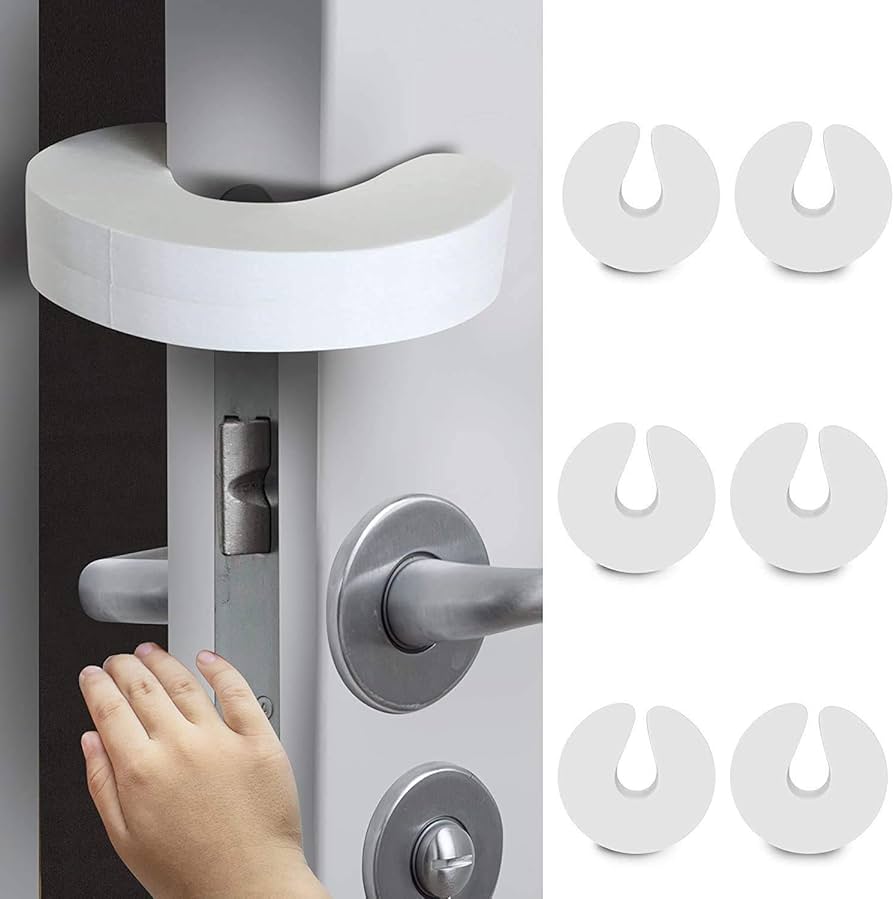
Babysafe Door Pinch Guard Foam Wrap (Pack of 8 U-Guards)
- ✓ U-shaped foam wraps
- ✓ Pack of 8 pieces
- ✓ Clip and adhesive installation
* We earn a small commission — at no extra cost to you.