
Baby Drank Hing Water: Is It Safe? What to Do & When to Call the Doctor
In most cases, small amounts of diluted hing water (a few sips) are not life-threatening—hing has been used in Indian households for generations. However, concentrated hing or large quantities can cause diarrhoea, vomiting, and low oxygen levels in infants under 6 months. If your baby drank hing water, watch for symptoms over the next 2–4 hours and contact your paediatrician if anything changes.
One of the trickiest parts of parenting in a joint-family home is keeping traditional remedies away from curious hands. Hing (Ferula asafoetida): a pungent resin extracted from a plant, commonly used in Indian cooking and traditional medicine to ease digestive complaints—sits on kitchen shelves, often within arm's reach of crawling babies. When your toddler sips from a cup of hing water meant for a grandparent, or your 8-month-old gets into diluted hing paste, the panic sets in. What happens next? Is this an emergency? Let's break it down with IAP guidance and real, honest information.
If your baby has recently had accidental hing water exposure, the safest next step is to know exactly what dose matters, what symptoms to watch for in the first few hours, and when a phone call to your paediatrician crosses into a clinic visit.
Understanding Safe vs. Unsafe Hing Doses for Babies
The critical difference between a harmless sip and a medical concern is concentration and quantity. Hing toxicity: serious harm from hing exposure, typically occurs with concentrated doses or in infants with certain metabolic conditions. Traditional Ayurvedic texts recommend hing for digestive support in children over 12 months, but modern paediatricians exercise caution with infants under 6 months.
A few sips of diluted hing water—what an older family member might prepare as a digestive aid (roughly 1/4 teaspoon of hing powder mixed into 200ml of warm water)—is generally considered low-risk for babies over 6 months. The real concern emerges when:
- Your baby drinks concentrated hing solution or undiluted hing paste (which can happen if a kitchen helper leaves a spoon within reach)
- Your baby is under 6 months old, especially under 3 months, when their digestive and metabolic systems are immature
- Your baby has G6PD deficiency or methemoglobinemia risk (rare genetic conditions affecting oxygen metabolism)
- Repeated or large-volume exposure occurs over days
According to medical literature cited by IAP, hing has been linked to rare cases of methemoglobinemia—a condition where blood cannot carry oxygen efficiently—primarily in infants under 6 months exposed to high doses. However, single, accidental sips of diluted hing water in healthy babies over 6 months typically do not trigger this response.
Symptoms to Watch in the First 2–4 Hours
If your baby has drunk hing water, the window to observe closely is the first 4 hours. Most reactions, if they occur, show up within this timeframe. Keep a notebook nearby and jot down what you see:
- Digestive upset: Loose stools, diarrhoea, or nappy changes that look different from normal
- Vomiting or spitting up: More than usual, or if your baby doesn't normally vomit after feeds
- Skin colour changes: Unusual pallor (paleness), or a slight greyish or bluish tint to lips or fingernails—this is a red flag and warrants immediate attention
- Lethargy or unusual sleepiness: Your baby seems unusually drowsy or difficult to wake
- Difficulty breathing or fast breathing: More than 40 breaths per minute at rest (normal is 30–40 for infants)
- Fussiness or irritability: Persistent crying without the usual hunger or nappy-change triggers
Most babies who drink a small amount of dilute hing water show no symptoms at all. Some may have mild loose stools the next day, which resolve on their own.
First-Aid Steps: What to Do Right Now
Stay calm—panic won't help your baby. Here's your action plan:
- Stop further exposure: Move the hing container out of reach immediately. If other family members are preparing hing remedies, ask them to store bottles in a closed cupboard, away from the kitchen counter.
- Offer water or breast milk: If your baby is over 6 months and thirsty, offer a small amount of cooled boiled water or a breastfeed. Do not force feeding if your baby seems uncomfortable.
- Document the incident: Note the time, how much hing water you think your baby drank, and the concentration (dilute vs. thick paste). This information helps your paediatrician assess risk.
- Keep your paediatrician's number handy: Do not wait for symptoms to worsen. A quick call within 30 minutes of the incident gives your doctor a chance to advise based on your baby's age, weight, and health history.
- Monitor nappy output and behaviour: Over the next 4 hours, watch for the symptoms listed above. Take photos of any unusual nappy changes to show your doctor if needed.
When to Call Your Paediatrician vs. Visit the ER
Call your paediatrician within 30 minutes if:
- Your baby is under 6 months old and drank any amount of hing water
- Your baby drank a large gulp (more than 2–3 tablespoons) of even dilute hing
- You're unsure of the concentration or quantity
- Your baby has a known metabolic or blood disorder
Seek emergency care (call 108 or go to the nearest hospital) if your baby shows:
- Bluish or greyish lips, fingernails, or skin
- Rapid or laboured breathing
- Extreme lethargy or unconsciousness
- Persistent vomiting that prevents hydration
- Severe diarrhoea with signs of dehydration (no tears when crying, dry mouth, no wet nappy for 4+ hours)
Your paediatrician may ask you to bring your baby in for observation if there's any doubt, especially for infants under 6 months. This is not overkill—it's standard precaution.
What Paediatricians Say About Hing and Traditional Remedies
IAP acknowledges that traditional remedies like hing have a place in Indian parenting culture, but emphasises that safety thresholds for infants differ from adults. Most paediatricians recommend avoiding hing entirely for babies under 6 months and using it only in tiny, well-diluted amounts for older babies under direct medical guidance. The reason: infant livers and kidneys are still developing, and they metabolise compounds differently than older children.
Safer Alternatives for Baby Colic and Gas
If you're drawn to hing because your baby has colic or gas, there are evidence-backed alternatives that are gentler and easier to dose:
- Fennel water (saunf water): Milder than hing, well-tolerated by babies over 6 months. Steep 1/2 teaspoon of fennel seeds in warm water, cool, and offer a teaspoon with meals.
- Cumin water (jeera water): Simmer 1/4 teaspoon of cumin seeds in 150ml water, cool, and strain. Offer 1 teaspoon 2–3 times a day.
- Gripe water brands (India-approved): Products like Woodwards Gripe Water or Little's Gripe Water are formulated specifically for infant digestion and sold on Amazon.in under strict labelling standards.
- Breast milk or formula adjustments: If exclusively breastfeeding, check latch and burp technique with a lactation consultant. If formula-fed, ask your paediatrician if switching brands or feeding speed might help.
Kitchen Safety in Joint-Family Homes: Storage and Prevention Tips
Hing bottles, jars of traditional pastes, and medicinal powders are everyday kitchen items in Indian homes—but they're not labelled for infants. Here's how to keep your baby safe:
- Use a locked cupboard for remedies: Store hing, turmeric powder, and other traditional ingredients in a cupboard with a child lock, not on open shelves.
- Label containers clearly: If a family helper prepares hing water or paste, ask them to label it with the date and "not for baby" in large letters.
- Communicate boundaries: Politely but firmly tell grandparents and helpers that no homemade remedies should be given to your baby without your paediatrician's approval, even if "it's what we've always done."
- Keep a baby-safe shelf: Reserve one low shelf (with soft edges) for baby's own products—teething gel, baby oil, baby powder—so accidental grabbing leads to safe items.
In a typical Bangalore, Mumbai, or Delhi joint-family setup, this conversation can feel awkward. But a simple, warm chat—"Dadi, I trust your wisdom, but modern babies' tummies are different, and my doctor wants me to check first"—usually works better than rigid rules.
Our Top Picks
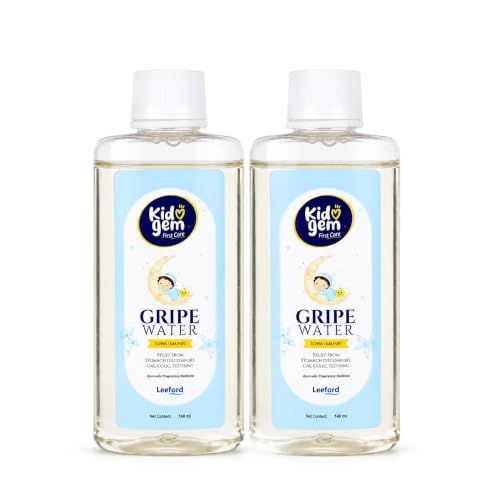
Woodwards Gripe Water for Babies (150 ml)
- ✓ No added sugar
- ✓ Alcohol-free
- ✓ Suitable from 1 month
* We earn a small commission — at no extra cost to you.
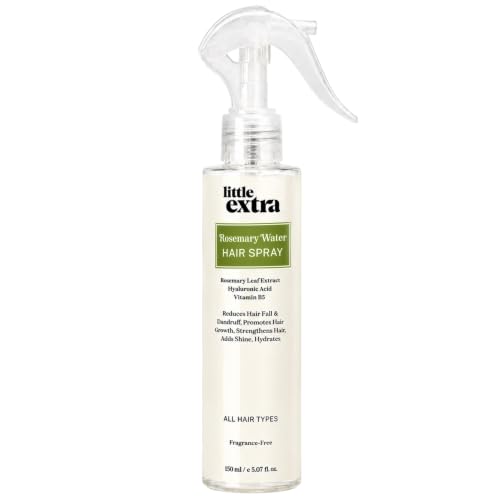
Little's Gripe Water (150 ml)
- ✓ Gentle on digestion
- ✓ Fennel and cumin base
- ✓ No artificial preservatives
* We earn a small commission — at no extra cost to you.
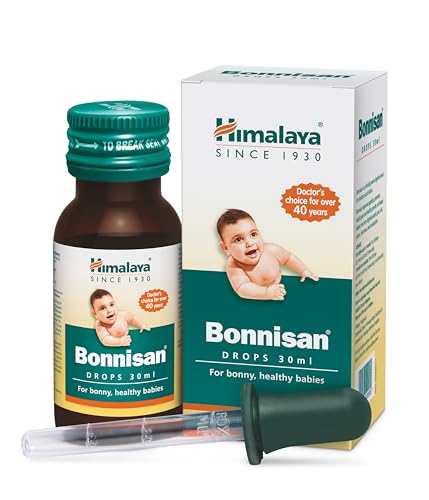
Himalaya Gasex Drops for Babies (30 ml)
- ✓ Herbal formula
- ✓ No parabens or artificial colours
- ✓ Suitable from 1 month
* We earn a small commission — at no extra cost to you.