
Baby Diaper Rash Won't Heal After 2 Weeks? 7 Hidden Causes—and When to See a Doctor
If your baby's diaper rash hasn't improved after 14 days despite diaper changes and moisture control, it's likely not simple contact dermatitis. The culprit is often yeast overgrowth (Candida), bacterial infection, detergent residue in cloth diapers, food sensitivity, or a combination. See a paediatrician or dermatologist for examination and a topical antifungal or antibiotic if needed—don't wait beyond 3 weeks.
A diaper rash that won't budge after two weeks is exhausting. You've switched to premium diapers, applied barrier creams, and kept the area dry—yet the redness persists or worsens. The truth is, most stubborn rashes aren't just friction or moisture. Something else is triggering it. In this article, we'll walk through seven overlooked causes that Indian parents rarely consider, how to identify them, and when it's time to see a specialist instead of trying another home remedy.
What Paediatricians Say About Persistent Diaper Rash
According to the Indian Academy of Pediatrics (IAP), a diaper rash that persists beyond 14 days despite standard care warrants clinical evaluation to rule out fungal or bacterial infection. The warm, humid climate of most Indian cities creates ideal conditions for Candida overgrowth. Delayed diagnosis can extend healing time from days to weeks.
- Candida thrives in warm, moist environments—common in monsoon and summer across tier-1 and tier-2 cities.
- Bacterial secondary infection can occur if the rash is scratched or not treated promptly.
The Seven Hidden Causes—and How to Spot Them
1. Yeast Overgrowth (Candida albicans)
This is the most common missed diagnosis for rashes lasting more than 10 days. Candida: a fungal infection caused by the yeast Candida albicans, which thrives in warm, moist folds and worsens in humidity. Candida rashes look different from contact dermatitis—they have a bright red, glazed appearance with satellite lesions (tiny red bumps spreading outward from the main rash). The edges are sharper and more defined. In Indian climates—particularly Mumbai, Delhi, and coastal cities during monsoon—this is extremely common.
Why it persists: barrier creams and zinc oxide worsen yeast because they trap moisture. Standard diaper creams don't treat the fungus. You need an antifungal cream with miconazole or clotrimazole. If your baby was on antibiotics (even a week ago), yeast is even more likely because antibiotics kill protective bacteria.
2. Bacterial Infection (Secondary or Primary)
Sometimes the rash starts fungal, but then bacteria like Staphylococcus aureus move in if your baby scratches or if the area isn't kept clean. Bacterial rashes look pus-filled, warmer to touch, and may smell. This requires an antibiotic—topical (mupirocin) or oral depending on severity. A paediatrician or dermatologist can take a swab to confirm the bacteria.
3. Detergent or Fabric Softener Residue (Cloth Diaper Users)
If you're using cloth diapers, the culprit might not be the diaper itself but the soap. Harsh detergents and fabric softeners leave residue that irritates skin over days. Indian brands like Supernova cloth diapers and Mush are popular, but they need proper washing. The fix: switch to a mild detergent (like Cetaphil or plain Himalaya Baby Wash), rinse twice in plain water, and skip fabric softener entirely. Hard water in Delhi, Pune, and Mumbai makes detergent residue worse.
4. Hard Water pH Irritation
Hard water is common in Delhi, Jaipur, Pune, and parts of Bengaluru. High mineral content and alkaline pH (above 8.0) can irritate baby skin over time. If you're cloth-diapering, hard water residue accumulates. Even with disposables, if you're washing the baby's bottom with hard tap water, it may irritate sensitive skin. Solution: use bottled water or boiled cooled water for washing, and consider a home water softener if you cloth-diaper.
5. Food Sensitivity (Exclusive Breastfeeding or Early Solids)
If your baby is exclusively breastfed, your diet matters. Citrus fruits (orange, lemon, lime), dairy (cow's milk, curd, paneer), and high-acid foods in your diet can change the pH of your baby's urine and stool, triggering rashes. If your baby has started solids, new foods (especially acidic ones like citrus or dairy) can cause rash flare-ups. Temporal link: rash gets worse on the days you ate particular foods. The fix: eliminate suspect foods for one week and observe. Dairy and citrus are the most common triggers.
6. Diaper Size Mismatch or Overuse of Tight Cloth Diaper Covers
A diaper that's too small doesn't fit properly—leg gaps cause friction and urine pooling at edges. Cloth diaper covers that are too tight trap heat and moisture. Paradoxically, frequent diaper changes (more than 8–10 per day) in a small size can also cause irritation through constant friction. Try the next size up, or loosen the cloth cover's fasteners. Most babies need a size change every 3–4 months.
7. Antibiotic-Triggered Dysbiosis
If your baby recently took oral antibiotics (for ear infection, urinary tract infection, or other infection), the normal protective bacteria in the gut and on skin are compromised. This allows Candida to bloom unchecked. The rash may not appear until 5–7 days after antibiotics end. Once antibiotics are stopped, recovery takes 10–14 days. An antifungal cream accelerates healing; probiotic drops are sometimes recommended by paediatricians but evidence is mixed.
Contact Dermatitis vs. Fungal Infection: How to Tell the Difference
Understanding which type of rash your baby has is crucial—the treatment is completely different.
| Feature | Contact Dermatitis | Fungal (Candida) |
|---|---|---|
| Appearance | Pink to red, slightly raised, uniform | Bright red, glazed, satellite lesions |
| Edges | Blurred, gradual fade | Sharp, defined borders |
| Affected areas | Mainly contact points (thighs, buttocks) | Creases, folds, entire diaper area |
| Response to zinc oxide | Improves within 3–5 days | No change or worsens after 7 days |
| Timeline | Clears within 7–10 days with care | Persists beyond 14 days; worsens without antifungal |
When to See a Paediatrician vs. Dermatologist—and What to Ask For
See your paediatrician if: the rash is mild to moderate, appeared within the last 10 days, and you want a baseline diagnosis and guidance on whether to use antifungal or antibiotic cream. Paediatricians can prescribe topical antifungals and manage most diaper rashes.
See a dermatologist if: the rash has persisted for 3+ weeks despite treatment, looks severe (oozing, blistering, warm to touch), or you suspect a secondary bacterial infection or allergic reaction. Dermatologists can perform skin scrapings or cultures to confirm the cause.
Questions to ask the doctor: Is this fungal or bacterial? Should I use an antifungal cream (miconazole) or antibiotic (mupirocin)? For how long? Should I continue barrier creams or pause them? Is my baby's diaper size appropriate? Could my diet be a trigger?
Most persistent rashes clear within 5–10 days of the correct treatment. If it hasn't improved after one week of the prescribed cream, return for re-evaluation.
Our Top Picks
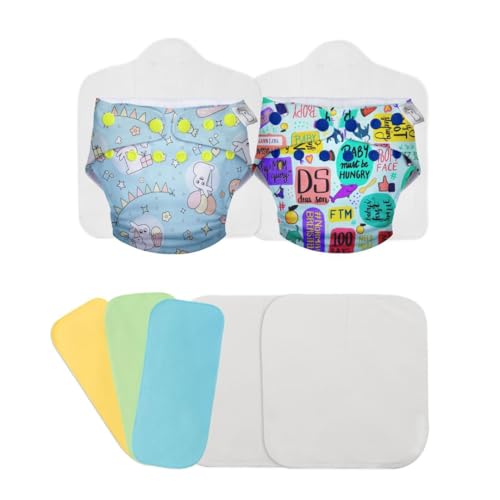
Supernova Cloth Diapers Starter Pack (5 Diapers + 5 Inserts)
- ✓ Bamboo + microfibre blend
- ✓ Washable, reusable, eco-friendly
- ✓ Adjustable size (6-18 kg)
* We earn a small commission — at no extra cost to you.
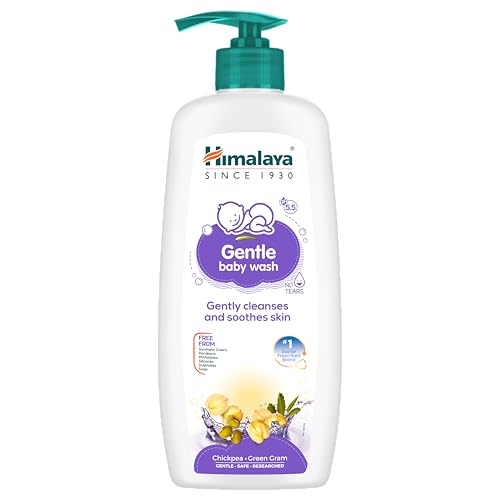
Himalaya Baby Gentle Wash (200 mL)
- ✓ Mild, soap-free formula
- ✓ Hypoallergenic
- ✓ Dermatologist-tested
* We earn a small commission — at no extra cost to you.
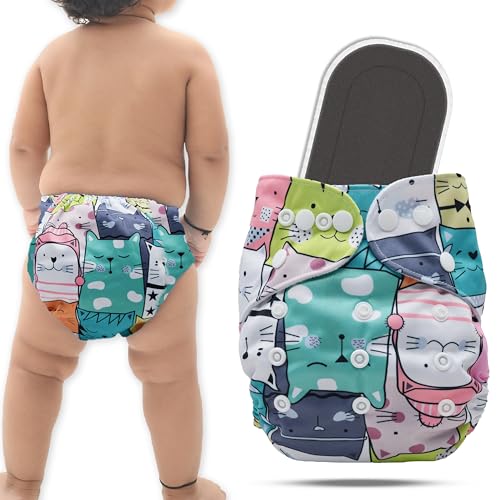
Mush Bamboo Cloth Diapers (Pack of 6)
- ✓ 100% bamboo fabric
- ✓ Ultra-soft, absorbent
- ✓ One-size-fits-most (6-18 kg)
* We earn a small commission — at no extra cost to you.
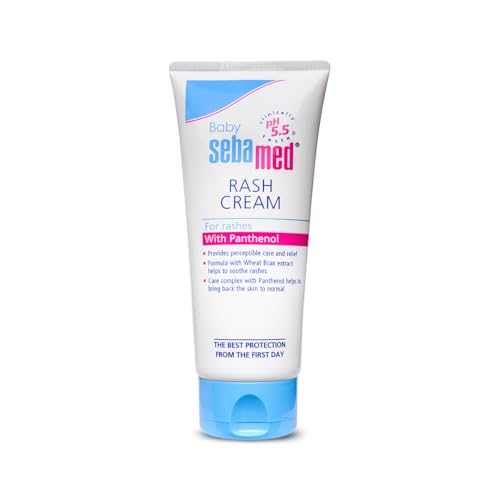
Sebamed Baby Diaper Cream (100 mL)
- ✓ Panthenol + chamomile extract
- ✓ pH-balanced for baby skin
- ✓ Fragrance-free
* We earn a small commission — at no extra cost to you.
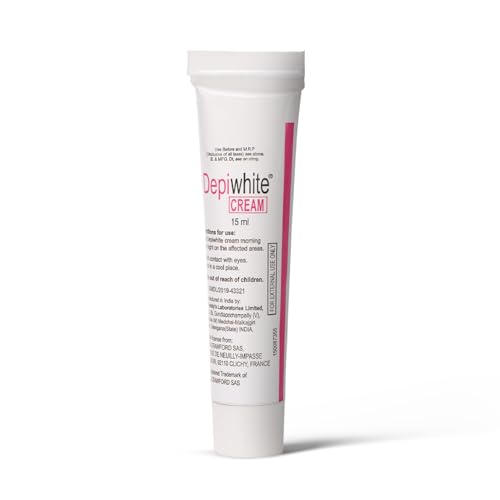
Dr. Reddy's Miconazole Nitrate 2% Cream (15 g)
- ✓ Antifungal for Candida albicans
- ✓ Dermatologist-recommended
- ✓ Fast-acting, clinically proven
* We earn a small commission — at no extra cost to you.
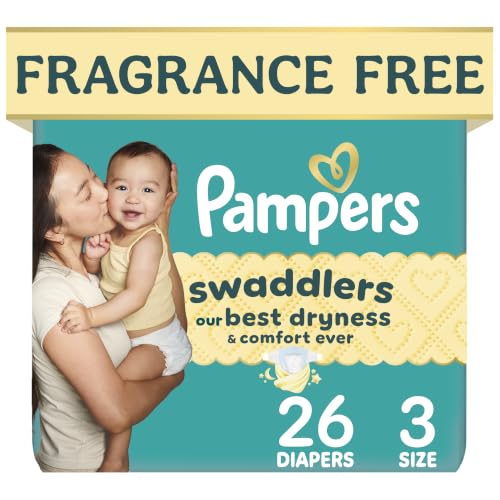
Pampers Swaddlers Diapers Size 3 (4–8 kg, 40 Count)
- ✓ Wetness indicator
- ✓ Flexible waistband, reduced leg gaps
- ✓ Air-dry layer for moisture control
* We earn a small commission — at no extra cost to you.