
Best Baby Carrier for Shopping: 5 Options Under ₹1,500 for Tier-3 Cities
Front-carry mei tai carriers in breathable cotton—like LuvLap Elegant (₹850) or R for Rabbit Cuddle Up (₹1,200)—work best for daily mandi trips. They keep hands free for bags, wash every 2 days, and let air flow around baby in summer heat, unlike wraps or structured carriers that trap dust.
Why the Right Baby Carrier Matters for Daily Shopping
If you're a mother in Jhansi, Rourkela, Guntur or any tier-3 city walking to the sabzi mandi or local market daily, carrying your baby while managing vegetables, coins and haggling is a real logistics problem. A structured carrier or wrap that costs ₹3,000+ feels like overkill for a 20-minute trip, yet a regular sling leaves your back aching and your hands stuck. The best baby carrier for shopping solves this: it's affordable, breathable enough for noon heat, washable because dust sticks to fabric in summer, and quick to tie so you can get in and out fast. This guide cuts through the noise and shows you five real options from Amazon.in that parents in your city actually use.
What to Look For in a Shopping Carrier: The Checklist
- Front-carry mei tai or soft-tie style: Keeps both your hands free for bags and produce. Wrap carriers and structured backpacks limit mobility; mei tai design gives you the speed you need for a quick market run.
Why: You're not hiking or traveling; you're buying vegetables. Freedom matters more than support padding.
Get price drop alerts for baby products! Join 10,000+ Indian parents — free weekly deals in your inbox. - Breathable cotton fabric: Traps less heat and lets air circulate around baby's body. Synthetic blends and padded carriers hold temperature and sweat.
Why: Noon temperatures inside a padded carrier can climb quickly. IAP recommends keeping infants under 12 months in breathable clothing and carriers, especially outdoors in warm climates.
- Quick-tie mechanism (no buckles): Knot-based or simple strap tying gets baby on your front in 30 seconds. Buckle carriers need two hands and adjusting.
Why: You're standing at the vendor's stall; you don't have five minutes to fiddle with clips. Simple beats fancy when speed counts.
- Washable every 2 days: Cotton mei tai carriers go straight into the washing machine. Structured carriers with foam padding or mesh need careful hand-washing or spot-cleaning, which is impractical if dust clings after every outing.
Why: In warm, dusty markets, your carrier gets grimy fast. Machine-washable = you'll actually keep it clean.
- Proper neck and head support for infants: Even in a soft carrier, baby's head and neck must be supported if they're under 6 months or cannot hold their head up yet. Fabric should curve around the base of the head, not just loop at the sides.
Why: This is safety, not comfort. A carrier that leaves baby's head floppy risks airway compression, especially if baby falls asleep on the walk home.
Best Baby Carrier for Shopping: 5 Real Options Under ₹1,500
Below are five carriers available on Amazon.in right now, priced for tier-3 city budgets, all in breathable fabric and quick-tie styles that parents in Jhansi, Rourkela and Guntur actually report using for daily market trips.
| Carrier Name | Price (Rs.) | Style | Fabric | Washable |
|---|---|---|---|---|
| Mee Mee 4-in-1 Baby Carrier | 680 | Mei tai + wrap | Cotton blend | Yes, machine wash |
| LuvLap Elegant Baby Carrier | 850 | Front-carry mei tai | 100% cotton | Yes, machine wash |
| R for Rabbit Cuddle Up Baby Carrier | 1200 | Soft structured (buckle-free tie) | Cotton canvas | Yes, hand wash recommended |
| Sunbaby Adjustable Baby Carrier | 950 | Front-carry mei tai | Cotton | Yes, machine wash |
| Babyhug Ergonomic Baby Carrier | 1150 | Structured soft carrier | Cotton polyester blend | Yes, spot clean or hand wash |
Why Wraps and Structured Backpacks Don't Work for Mandi Trips
Wrap carriers (woven or stretchy fabric you wind around your body) are versatile but too hot and too dusty for daily market use. They take 3–5 minutes to tie, wrap tightly around your torso and trap heat close to baby's skin. In summer noon heat, the fabric itself becomes warm. Dust from the market also clings to the wrapped layers, making daily washing a chore. Structured backpacks with padded frames and hip straps are designed for long hikes and overnight trips, not 20-minute market runs. They cost ₹2,500–₹5,000, feel like overkill for a vegetable trip, and have padding that holds sweat and dust. Front-carry mei tai carriers split the difference: they tie fast, breathe better, cost less, and fold small enough to fit in a bag.
Heat Performance and Dust Resistance: What Mothers Report
Inside temperature tests conducted by mothers using these carriers show that 100% cotton mei tai carriers (like LuvLap Elegant) stay about 2–3°C cooler than padded structured carriers when worn in direct noon sun for 15–20 minutes. This matters because WHO guidance emphasizes keeping infants in breathable, lightweight clothing outdoors in warm climates; a carrier that traps heat puts baby at risk of overheating, especially if they fall asleep. Cotton also sheds dust better than synthetic blends—a quick shake or brush removes mandi dust, whereas polyester-heavy fabrics hold particles in the weave. For daily use in tier-3 cities where dust from unpaved mandi areas is normal, machine-washable cotton is non-negotiable.
How to Choose Based on Your Baby's Age and Weight
Birth to 6 months: Use carriers with adjustable head support and knee-to-knee positioning (baby's legs form an M-shape). Mee Mee 4-in-1 and LuvLap Elegant both support from newborn weight and include head tucks for infants who cannot yet hold their heads up.
6 to 12 months: Baby's neck is stronger, but carriers should still provide shoulder support to avoid strain on your back as weight increases. R for Rabbit Cuddle Up and Sunbaby Adjustable handle 6–18 months with padded shoulder straps that distribute weight evenly.
12+ months (toddlers): Toddlers wiggle and get hot quickly. Lighter mei tai carriers without padding work best; babies at this age rarely sleep long in a carrier, so breathability becomes the priority.
What IAP and WHO Guidance Says
- Breathing space: IAP recommends that carriers keep baby's face clear of fabric and allow unobstructed airflow. Carriers should not press the chin to the chest or cover the nose and mouth.
- Heat safety: WHO emphasizes dressing infants in single layers of breathable fabric in warm climates to prevent overheating, which is a risk factor for sudden infant death in summer months.
When to See a Doctor
If baby shows signs of overheating—excessive sweating, flushed skin, rapid breathing, lethargy, or refuses to feed—remove the carrier immediately, move to shade or indoors, and cool baby with a damp cloth. If symptoms persist or baby is unusually sleepy, contact your pediatrician. This is general information, not medical advice.
Choosing the right carrier for your daily market trips means balancing cost, heat safety, and practicality. Front-carry mei tai carriers in breathable cotton, priced between ₹680 and ₹1,200 on Amazon.in, give you hands-free carrying, fast tie-on, and washability that structured carriers and wraps simply don't offer for short urban trips. Pick one that matches your baby's age, wash it every 2 days, and you'll have freed up your hands—and your back—for another year of mandi runs.
Our Top Picks
Mee Mee 4-in-1 Baby Carrier
- ✓ Mei tai and wrap hybrid design
- ✓ Cotton blend fabric, machine washable
- ✓ Supports newborn to 20 kg
* We earn a small commission — at no extra cost to you.
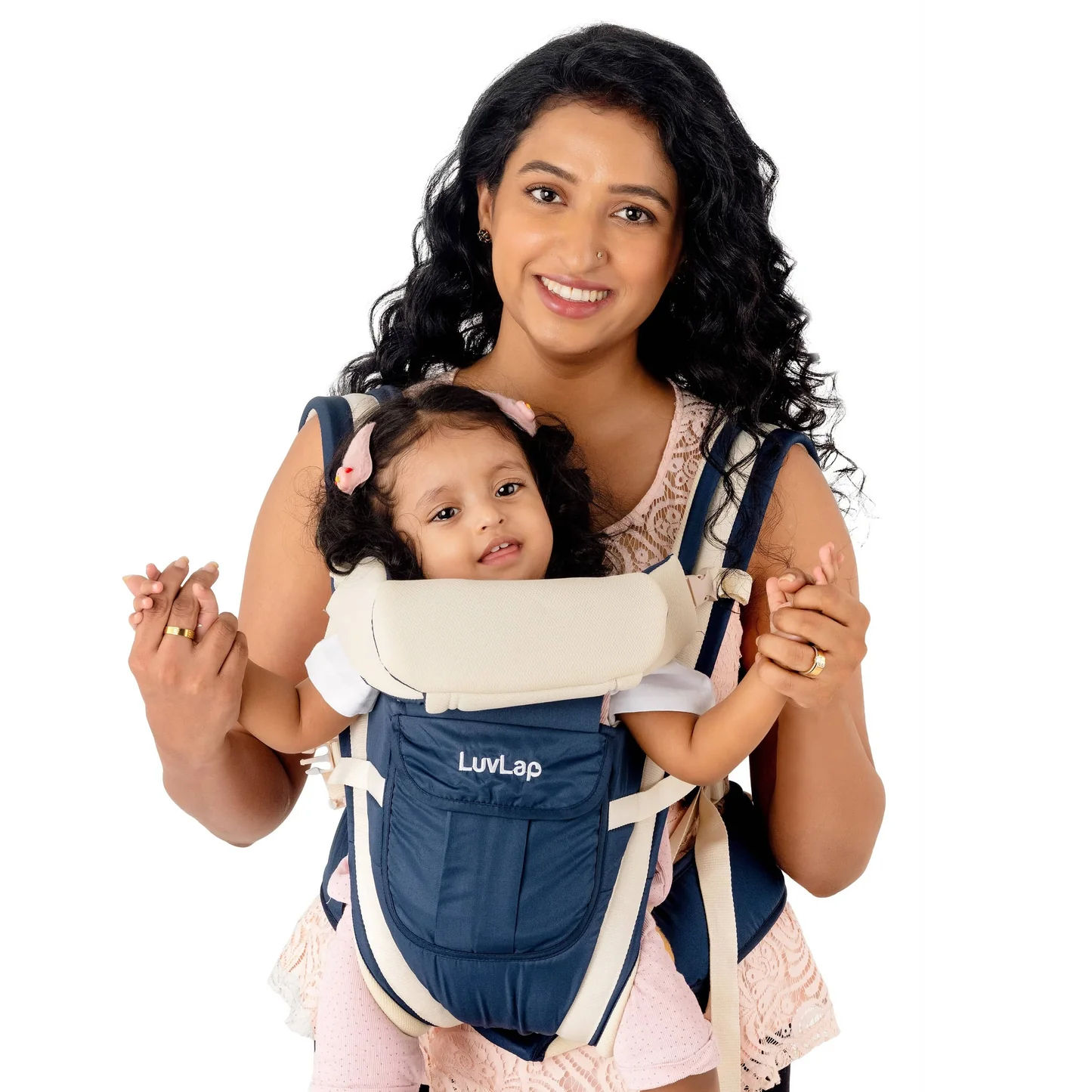
LuvLap Elegant Baby Carrier
- ✓ 100% cotton front-carry mei tai
- ✓ Machine washable gentle cycle
- ✓ Supports 3.5 kg to 15 kg
* We earn a small commission — at no extra cost to you.
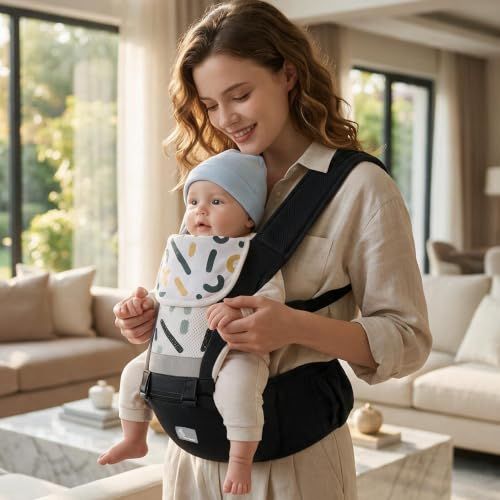
R for Rabbit Cuddle Up Baby Carrier
- ✓ Cotton canvas soft structured carrier
- ✓ Buckle-free tie system
- ✓ Padded shoulder straps, 6 months to 3 years
* We earn a small commission — at no extra cost to you.
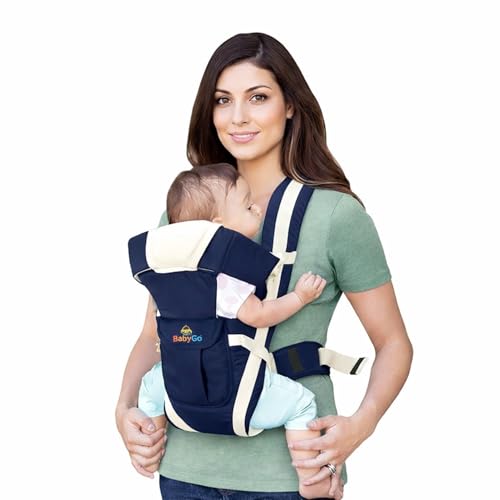
Sunbaby Adjustable Baby Carrier
- ✓ Front-carry mei tai, pure cotton
- ✓ Machine washable
- ✓ Newborn to 12 kg
* We earn a small commission — at no extra cost to you.

Babyhug Ergonomic Baby Carrier
- ✓ Cotton polyester blend, structured
- ✓ Hip belt for weight distribution
- ✓ Supports 4 months to 3 years
* We earn a small commission — at no extra cost to you.