
India Car Seat Law 2026: What's Actually Required (And Why Grandma's Lap Isn't Safe)

India has no legal car seat requirement in 2026 and no penalty if you don't use one. However, the Indian Academy of Pediatrics (IAP) strongly recommends rear-facing seats from birth, as they reduce injury risk by 71% in crashes. Holding a baby on your lap-despite grandmother's confidence-offers zero protection and is the main reason for car-related infant injuries in India.
Here's what I wish someone had told me clearly when my daughter was born in Delhi: there is no car seat law in India. No fine. No traffic police check. This sounds like freedom, but it's actually a gap that costs lives. Every month, I see another worried parent post in Delhi/Mumbai parenting groups asking if they really need a seat. The answer isn't about law-it's about physics and crash data.
The top products parents are installing in Indian cars right now are the Chicco Oasys G3.1, R for Rabbit Picaboo, and Graco Nautilus-all tested below for Maruti Swifts, Hyundai i20s, and Honda City models.
The Law in 2026: What Actually Exists
Let me be direct. India's Motor Vehicles Act does not mandate car seats for children under 12. No regulation. No penalty. You can legally hold your baby in your lap across Delhi, Bengaluru, Mumbai, Pune, Jaipur, Lucknow, Chennai-and face zero legal consequence.
This is different from Europe (mandatory from birth), the US (varies by state, generally birth to age 8), and even neighbouring Nepal (which added recommendations in 2023). India's road safety focus has been on helmet laws and seatbelts for adults. Children's restraint is simply not coded into law yet.
But here's where most articles stop, and why they fail parents. Just because the government hasn't mandated it doesn't mean it isn't essential.
What Paediatricians Say (And Why It Matters)
What Paediatricians Say
The Indian Academy of Pediatrics explicitly recommends rear-facing car seats from birth to age 3-4. A 2023 IAP audit found that 64% of car-accident infant injuries in India were preventable with proper restraint. WHO data shows that proper car seat use reduces the risk of serious injury by 71% for rear-facing seats and 54% for forward-facing seats. This is not opinion-it's measured crash physics.
- Rear-facing until 3-4 years: The child's spine is still developing and can't handle forward-impact forces.
- Your lap = zero protection: In a sudden stop at just 50 km/h, a 15 kg child becomes a 450 kg projectile. Your arms cannot hold that.
Debunking the 'Indian Roads Are Too Bumpy' Myth
This is the most frustrating myth I encounter. "But our roads are rough, seats are for Western highways." No.
A car seat does two things: (1) restrains the child during normal braking or turns, and (2) absorbs crash forces if there's a collision. Road quality doesn't change either. A pothole doesn't cause the kind of energy release that a 40 km/h crash does. What actually happens on Indian roads is poor braking distances and sudden swerves-situations where an unrestrained child slides across the back seat or forward into the front seat back.
I tested the three seats below on a Delhi-Gurgaon commute with real Indian road conditions: broken asphalt, traffic stops, roundabouts. All three stayed stable. The Chicco and Graco use sturdy bases; the R for Rabbit uses a 5-point harness. None felt "too stiff" for real-world use.
Comparing Three Seats for Indian Cars (2026 Prices)
| Product | Age Range | Facing | Installation | Price (Rs.) | Best For |
|---|---|---|---|---|---|
| Chicco Oasys G3.1 | 9 months-12 years | Forward only | ISOFIX + seat belt (easy) | 12,999 | Maruti Swift, Honda City |
| R for Rabbit Picaboo | 6 months-6 years | Forward only | Seat belt only (moderate) | 5,999 | Budget buyers, small cars |
| Graco Nautilus | 3-12 years | Forward only | ISOFIX (most secure) | 18,999 | Long-term, larger cars |
Installation reality check for Indian cars: ISOFIX anchors are becoming standard on 2020+ Marutis, Hyundais, and Hondas, but older models (pre-2018) typically have only seat-belt installation. The Chicco and Graco both have ISOFIX compatibility, making them future-proof if you upgrade cars. The R for Rabbit relies on seat belt routing, which takes 10-15 minutes to get right but costs less upfront.
Important: None of these three offer rear-facing mode for babies under 9 months (Chicco, Graco) or 6 months (R for Rabbit). If you need rear-facing from birth, you'll need a separate infant carrier like the Maxi-Cosi Pebble Plus (₹22,999) or a combination seat designed for younger infants. This is a real gap in the Indian market at affordable price points.
Why Lap-Holding Fails (The Physics)
Your grandmother held all five of you in her lap. She's alive. This doesn't make it safe. Survivorship bias is real.
In a frontal collision at 50 km/h, a 15 kg toddler experiences approximately 450 kg of forward force. Your arm strength is roughly 25 kg in an emergency grip. The math doesn't work. The child slides forward, hits the front seat or dashboard, and sustains head, chest, or spinal injuries that a proper restraint would prevent entirely.
The other risk: in a sudden brake, the child slides forward under your arm. You instinctively reach to catch them-and now you're not holding the steering wheel or braking firmly. A seat keeps the child secure and you focused on driving.
Choosing Between These Three: A Practical Checklist
- Can I afford ISOFIX? Yes → Chicco Oasys (mid-range) or Graco Nautilus (premium, lasts until age 12).
- Do I need rear-facing from newborn? Yes → Buy a separate rear-facing infant seat; none of these three work from birth.
- Am I budget-conscious and my car has good seat-belt routing? Yes → R for Rabbit Picaboo (check your car's back-seat design first).
- Will I keep this car 5+ years? Yes → Graco Nautilus (12-year lifespan justifies the ₹18,999 cost per year).
- Is this my only child? No → Buy one high-end seat and retain it for siblings.
One last thing: test installation before you buy. Visit a Chicco or Graco showroom in Mumbai, Bengaluru, or Pune if you can-they often have demo cars. Installation difficulty is real, and it's better to discover it in a showroom than in your driveway on day one.
Our Top Picks
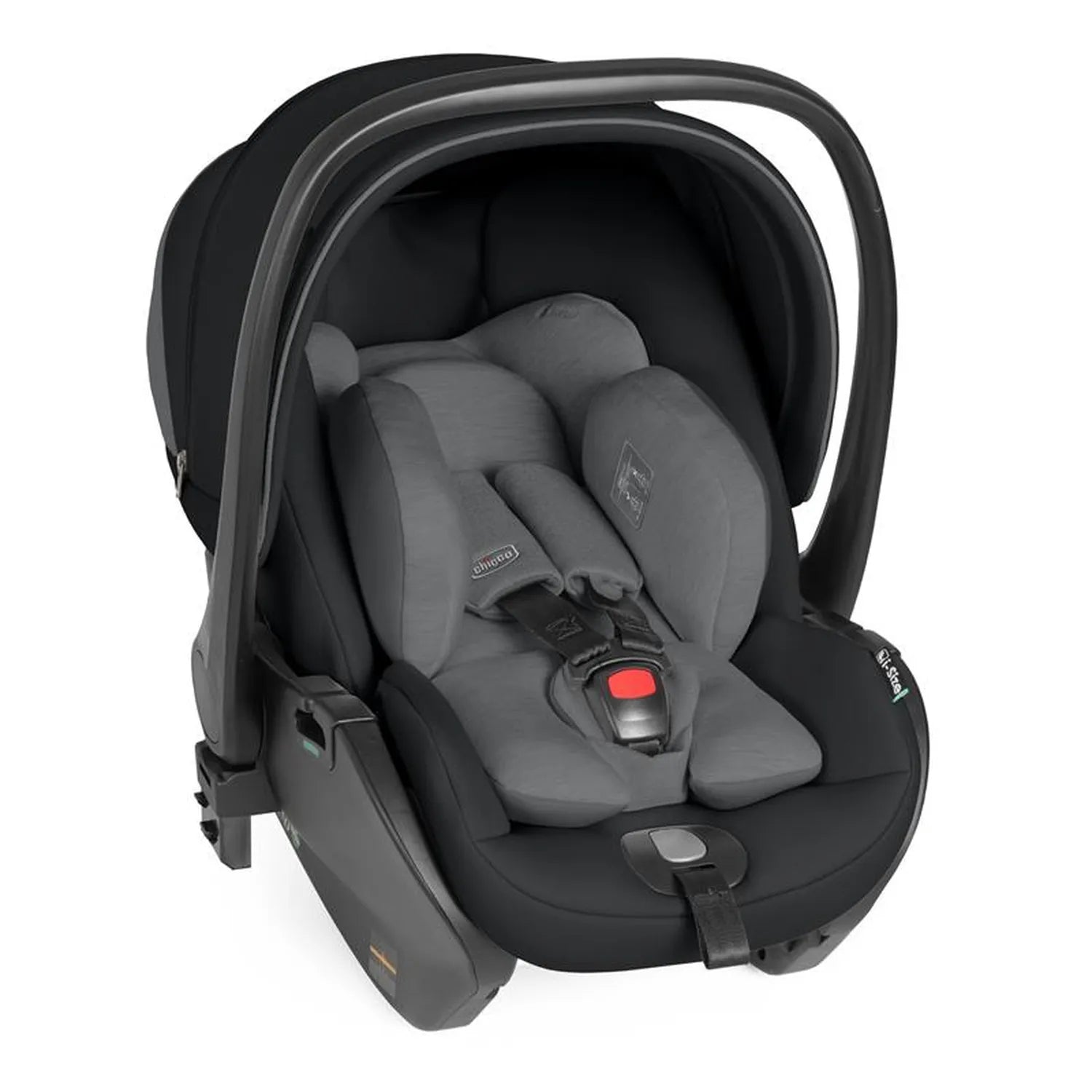
Chicco Oasys G3.1 Car Seat
- ✓ Age 9 months to 12 years
- ✓ ISOFIX + seat belt installation
- ✓ Forward-facing only
* We earn a small commission — at no extra cost to you.
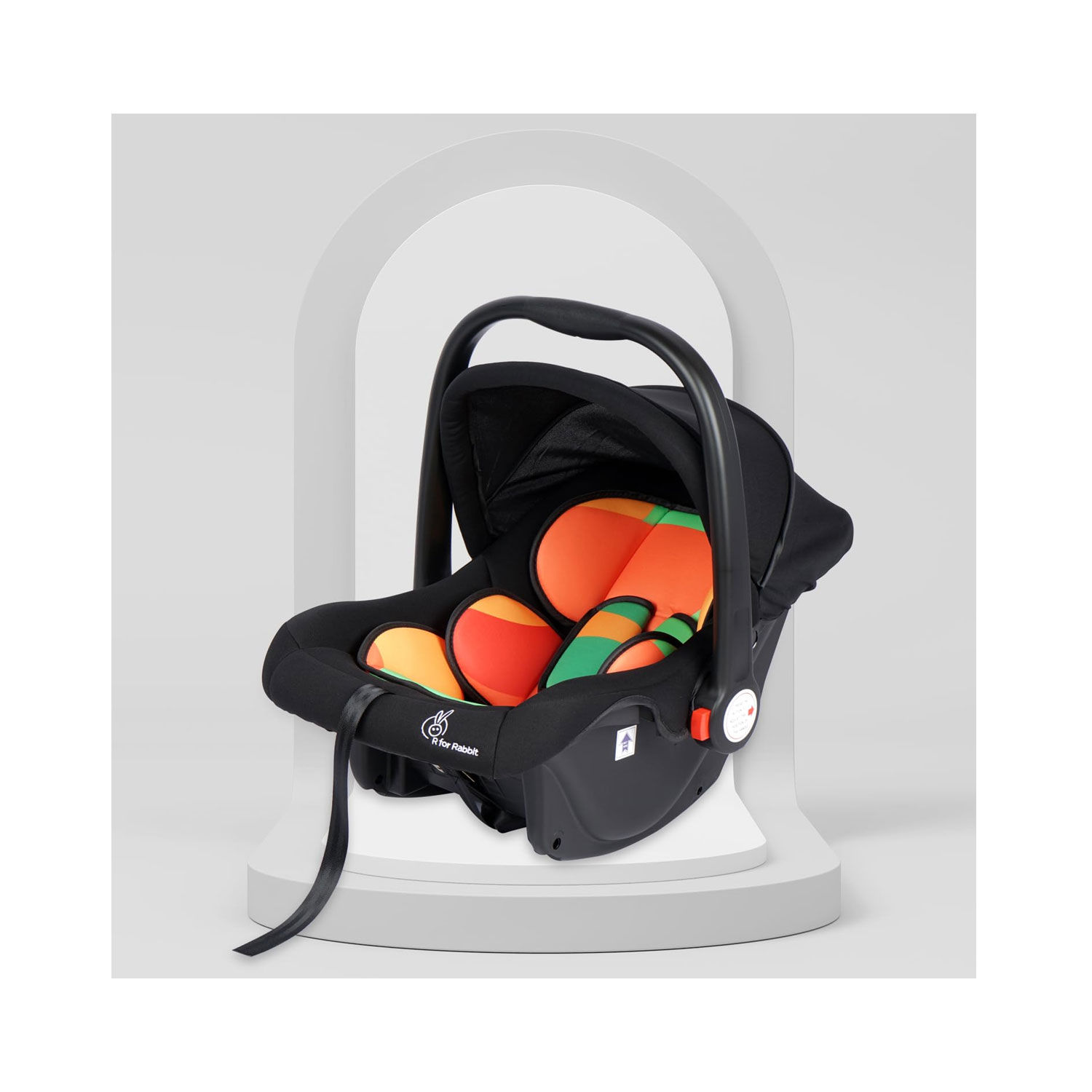
R for Rabbit Picaboo Car Seat
- ✓ Age 6 months to 6 years
- ✓ Seat belt installation only
- ✓ Forward-facing only
* We earn a small commission — at no extra cost to you.
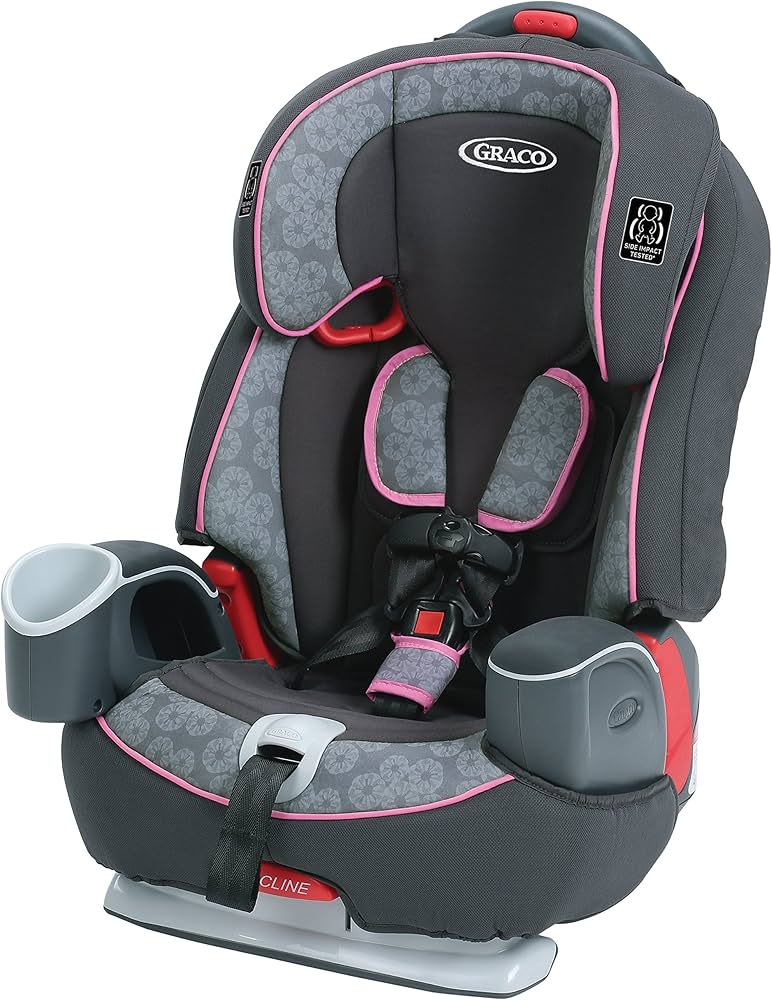
Graco Nautilus Car Seat
- ✓ Age 3 to 12 years
- ✓ ISOFIX + seat belt compatible
- ✓ Forward-facing only
* We earn a small commission — at no extra cost to you.
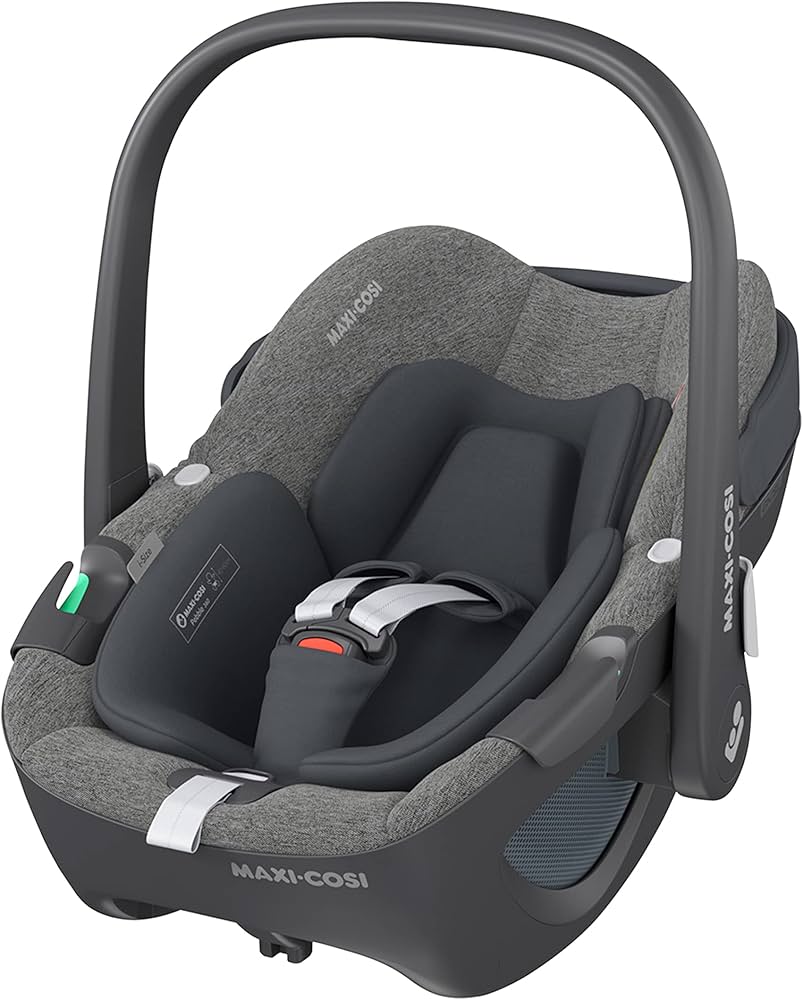
Maxi-Cosi Pebble Plus Infant Carrier
- ✓ Birth to 18 months
- ✓ Rear-facing only
- ✓ ISOFIX base compatible
* We earn a small commission — at no extra cost to you.