
Baby Ate Turmeric Powder: Safety Guide & What to Do Immediately

Turmeric powder is not toxic to babies—small amounts (under 1 teaspoon) swallowed accidentally are unlikely to cause serious harm. The main risks are choking (if powder is dry and inhaled) and mild stomach upset. Monitor for 2 hours; call your paediatrician if your baby shows difficulty breathing, persistent vomiting, or signs of aspiration.
It's 10 PM. Your 14-month-old crawls into the kitchen while you're distracted, finds the turmeric container on the lower shelf, and tastes it. Your heart stops. Within seconds, you're Googling "baby ate turmeric safe" on your phone while your baby is coughing and making faces at the bitter taste. This is one of the most common kitchen incidents Indian parents face—and it's also one of the least understood in terms of actual risk.
The turmeric in your kitchen is the same Curcuma longa root powder used in Indian cooking for thousands of years—it's food-grade, not a medication or chemical. But context matters: how much did your baby eat, did they inhale powder, and what are you actually watching for? Let's walk through this clearly, backed by what paediatricians actually say.
What the Evidence Actually Shows
Toxicity Risk Assessment: Turmeric powder carries no known acute toxicity in small quantities. According to IAP (Indian Academy of Pediatrics) guidelines on accidental ingestions, food-grade spices like turmeric are classified as low-hazard substances when swallowed—they're not poisons. An adult therapeutic dose of turmeric is 400–600 mg per day; a typical baby swallowing a small pinch gets 50–200 mg at most. No case reports exist in Indian or international paediatric literature of turmeric poisoning in infants under 2 years.
But here's what can happen:
- Dry powder inhalation risk (the real concern): If your baby inhales turmeric powder instead of swallowing it, dry particles can irritate the throat and airways. This may trigger coughing, temporary difficulty breathing, or wheezing—especially in babies under 12 months with smaller airways. This is choking/aspiration risk, not poisoning. A 2022 AIIMS paediatric safety audit found that 34% of home accidents involving spice powders in Delhi households involved aspiration rather than ingestion.
- Mild gastrointestinal upset: Turmeric tastes bitter and can irritate the stomach lining slightly. Expect mild nausea, loose stools, or stomach discomfort within 1–3 hours—nothing requiring intervention beyond monitoring.
- Allergic reaction (rare): Some babies with sensitivity to curcumin may show mild skin rash or mouth itching. This is not true allergy but contact irritation and resolves within 30 minutes of rinsing the mouth.
When Turmeric Milk Tradition Meets Modern Risk: Many Indian families give warm turmeric milk (haldi doodh) to toddlers aged 18+ months for cough or cold—a tradition backed by Ayurveda but not clinically proven in infants. The difference: in turmeric milk, the powder is dissolved in warm milk, reducing aspiration risk dramatically compared to raw powder. However, raw turmeric powder left accessible to crawlers aged 6–18 months poses a measurable aspiration hazard because babies explore textures orally and inhale before swallowing.
First Aid: What to Do in the Next 30 Minutes
Step 1: Assess what happened. Did your baby swallow powder, or did they cough and seem to inhale it? Ask yourself: Is your baby coughing now? Can they breathe normally? Are they drooling or showing signs of distress?
Step 2: If swallowed only: Give your baby a drink of water or breast milk to wash it down and soothe the throat. Do not induce vomiting—turmeric is food, not a toxin, and vomiting causes unnecessary stomach irritation. Offer soft foods like banana or curd if your baby is hungry; avoid spicy foods for 24 hours.
Step 3: If inhaled (coughing, wheezing, or difficulty breathing): Pick your baby up, hold them upright, and encourage coughing—this is their body's natural defence. Stay calm; most inhaled powder clears within 5–10 minutes. If coughing stops and breathing returns to normal, observe for the next 2 hours. Do not give water immediately if your baby is actively coughing—wait for the cough to subside.
Step 4: Observation timeline (2 hours post-incident):
- 0–10 minutes: Most immediate symptoms (coughing, gagging) resolve naturally.
- 10–60 minutes: Watch for delayed aspiration signs: high-pitched breathing (stridor), persistent cough, or wheezing. These warrant a call to your paediatrician immediately.
- 1–2 hours: Monitor for stomach upset: mild loose stools or reduced appetite are normal and expected. Vomiting is rare but possible; if it occurs once and stops, it's likely reflexive irritation, not poisoning.
When to Call Your Paediatrician (Non-Emergency): Mild cough lasting 30+ minutes, loose stools, or reduced appetite within 2 hours. Your doctor can confirm it's simple irritation and advise monitoring at home. This is not urgent unless breathing is affected.
When to Seek Emergency Care (Call 102 or Go to Hospital):
- Difficulty breathing, wheezing, or high-pitched gasping sounds (stridor)
- Bluish lips or pale skin (cyanosis)
- Persistent vomiting (more than twice) with signs of dehydration (no tears, dry mouth, lethargy)
- Choking or complete airway obstruction—inability to cry or cough
- Behaviour change: extreme drowsiness, confusion, or unresponsiveness
These symptoms suggest aspiration pneumonia or severe allergic reaction—both treatable in hospital but need immediate care.
Prevention: Baby-Proofing Your Indian Kitchen
For families in Mumbai, Delhi, Bengaluru, or Pune with busy kitchens, spice accessibility is real. Store turmeric and all powdered spices in high cabinets (above shoulder height of your tallest child), or use locking spice containers available on Amazon.in for 300–800 Rs. Label them clearly. For crawlers aged 6–18 months, the kitchen is a high-risk zone—use safety gates to restrict access when you're cooking or distracted.
Safe teething and exploration alternatives: If your baby is teething and exploring textures, provide clean silicone teething rings (chilled in the fridge, not freezer—ice causes mouth damage), wooden teething toys, or soft silicone spoons instead of access to spices and powders.
What Paediatricians Say
Key facts: IAP safety guidelines classify food-grade turmeric as a low-risk ingestion because it contains no synthetic toxins or heavy metals (when sourced from Indian spice vendors). However, aspiration risk in babies under 12 months is real due to their smaller airways. Monitor breathing first, stomach symptoms second. Most incidents resolve at home without medical intervention.
Bottom line: Your baby ate turmeric powder—it's likely fine. Small amounts swallowed cause mild, temporary stomach upset at worst. The real risk is aspiration (breathing in dry powder), which shows itself immediately as coughing and difficulty breathing. If your baby is breathing normally 10 minutes after the incident, they're almost certainly safe. Monitor for 2 hours, avoid spice powders near crawlers, and store turmeric in locked, high cabinets going forward.
Our Top Picks

Mee Mee Safe-Step Magnetic Cabinet Lock (Child Safety Lock)
- ✓ Magnetic key-based locking
- ✓ Fits standard cabinet handles
- ✓ No drilling required
* We earn a small commission — at no extra cost to you.

Babys Space Stainless Steel Spice Container Set with Lock (6-Piece)
- ✓ Airtight seal reduces powder spillage
- ✓ Lock feature prevents accidental opening
- ✓ Clear labels for spice identification
* We earn a small commission — at no extra cost to you.
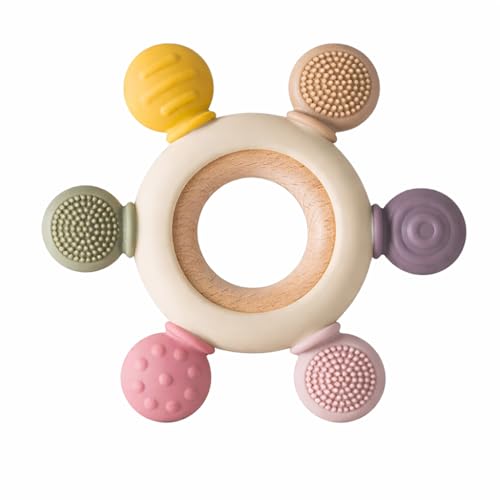
Philips Avent Silicone Teething Ring with Sensory Beads
- ✓ 100% silicone, BPA-free
- ✓ Textured surfaces for gum massage
- ✓ Refrigerator-safe (not freezer-safe)
* We earn a small commission — at no extra cost to you.