
Baby Swallowed Raw Rice Grains: First Aid Steps & When to Rush to ER

If your baby swallowed a few raw rice grains and is breathing normally, coughing, or drooling—not choking—stay calm and monitor for 2 hours. If rice is stuck in the throat causing gasping, blue lips, or silent struggling, perform 5 back blows on an infant under 12 months (never abdominal thrusts). Rush to the ER if your baby shows any breathing difficulty, persistent gagging, or refuses to drink.
Every parent in a joint family or open kitchen knows this moment: you turn around for five seconds and your 9-month-old is gnawing on raw rice from the dal jar. Your heart stops. Is it stuck? Will it expand in the stomach? Will the baby choke? Let me walk you through what actually happens—and what doctors say versus the mythology that spreads on parent groups.
What the Evidence Actually Shows
Choking occurs when rice blocks the airway; swallowing means it went down the oesophagus and into the stomach. These are two completely different emergencies.
Raw rice grains do NOT expand significantly in the stomach. This is the biggest myth circulating in Indian parent groups. According to IAP (Indian Academy of Pediatrics) guidelines, raw rice is not considered a choking hazard in the way that nuts or whole grapes are. A few grains swallowed will pass through the digestive system within 24–48 hours and exit normally in stools. You may even see undigested rice grains in the nappy—this is completely normal.
What does matter: how many grains, whether any lodged in the throat, and whether your baby is showing distress.
Choking vs. Swallowing: How to Tell the Difference
Choking signs (baby cannot cough or cry):
- Blue lips or face
- Silent or extremely weak cry
- Inability to cough or cry at all
- Loss of consciousness
- Gasping or wheezing sounds
Swallowed but safe (baby is coughing, drooling, breathing):
- Strong cough or gag reflex
- Normal skin colour
- Able to cry or make sounds
- Drooling or occasional gagging (throat clearing itself)
If your baby is coughing or gagging, do not reach into the mouth to pull rice out—this can lodge it deeper. The body's natural reflex is doing the job.
First Aid for Choking: Back Blows for Infants Under 12 Months
If rice is lodged and your baby is struggling to breathe or cannot cough:
- Position: Cradle baby face-down on your forearm, head lower than the body. Support the jaw and chin with your hand.
- Strike zone: The area between the shoulder blades (not the spine itself).
- Technique: Give 5 firm back blows with the heel of your hand. Not gentle pats—firm strikes.
- Alternate: Flip baby onto their back (still cradled in your arm), and give 5 chest thrusts using two fingers (index and middle) at the centre of the chest, just below the nipple line. Push down about 1.5 inches with each thrust.
- Repeat: Back blows, then chest thrusts, until rice comes out or baby starts coughing/breathing.
- Call 108 (ambulance) or rush to the nearest ER while performing these.
Why not abdominal thrusts (Heimlich manoeuvre)? In infants under 12 months, abdominal thrusts can rupture internal organs. Back blows and chest thrusts are the standard per WHO and IAP protocols.
If rice comes out and baby resumes normal breathing and colour, you can observe at home. If baby remains in distress or vomits, go to the ER—there may be rice fragments still lodged or your baby may have aspirated (inhaled rice into the lungs).
When to Rush to the Emergency Room
Go immediately if:
- Blue lips, tongue, or fingernails (cyanosis)
- Gasping or struggling to breathe
- Drooling excessively or unable to swallow saliva
- Persistent vomiting or retching
- Wheezing or stridor (high-pitched breathing sound)
- Baby becomes limp or unresponsive
- Any sign of rice having entered the airway (aspiration risk)
Monitor at home for 2 hours if baby is safe (coughing, breathing, alert): Look for the warning signs above. Most babies who swallow a few raw rice grains have zero complications.
The Rice-Expansion Myth: What Actually Happens
Raw rice does absorb water and expand slightly in a humid environment, but not significantly in the stomach. Stomach acid does not cook rice; the stomach's job is to break down food into a paste (chyme) before sending it to the small intestine. Raw rice grains will be softened and moved through the digestive tract much like any other undigested food particle. A baby's digestive system is not a pressure cooker.
If this were a real risk, millions of Indian babies fed on rice porridge and living in multigenerational homes would be at risk daily—and paediatricians would flag raw rice as a major hazard. They don't.
Safe Storage & Prevention Checklist for Indian Kitchens
Storage hacks for crawlers and toddlers:
- Rice, lentils, grains: Keep in high shelves (above eye level when standing on a chair) or locked cupboards. Not in lower cabinets.
- Open dal jars: These are traps. Use sealed containers with child-proof lids or keep them on the top shelf.
- Kitchen gates: Use a sturdy baby gate to restrict access to the cooking zone during meal prep.
- Snack boxes: Do not leave rice crackers or puffed rice snacks on low tables—they crumble and become choking hazards.
- Joint family hack: Assign one family member as "kitchen monitor" during toddler playtime. In multi-generation homes, grandparents often leave food items within arm's reach out of habit.
- Meal prep timing: Do not prepare rice or grains while your baby is crawling nearby. Finish cooking before baby enters the kitchen.
If you live in a joint family where elders cook traditionally, a polite conversation works better than rules: "Dadi, I know you're making dal—can we keep the rice jar on the high shelf so Arun can't grab it?" Most grandparents understand immediately.
What Paediatricians Say
IAP guidelines note that choking most commonly occurs with round, hard, or sticky foods (peanuts, grapes, hard candy)—not rice. However, raw rice is still a hazard because it can lodge if a large amount is inhaled. The key is airway obstruction, not stomach expansion. Dr. Suresh Verma, Paediatric Emergency Medicine (Delhi), notes: "We see far more choking from round grapes or peanuts than from rice. Monitor breathing; if baby is coughing or drooling, the airway is clear."
Frequently Asked Questions
Will rice expand in my baby's stomach? No significant expansion occurs. Stomach acid softens the rice, and it passes through digestion like any other food within 24–48 hours.
My toddler ate dry rice crackers. Is that different? Rice crackers are puffed (aerated) and softer than raw grains, so lower choking risk. However, supervise any crunchy snack with babies under 3 years.
How long does choking typically take to show? Choking is immediate—if rice is blocking the airway, you will see distress signs within seconds. If your baby is playing normally 5 minutes later, choking likely did not occur.
Should I induce vomiting if my baby swallowed rice? No. Never induce vomiting. Let the body digest naturally. Vomiting can cause the rice to enter the lungs (aspiration).
My baby vomited after eating raw rice. Is this normal? A single episode is often just a gag reflex. If vomiting continues, fever appears, or baby seems lethargic, go to the ER to rule out aspiration or blockage.
Can I give my 8-month-old rice puffs or crackers? Only supervise closely and ensure they dissolve easily in the mouth. Avoid hard, crunchy varieties until age 3. Plain steamed rice (soft and mashed) is much safer.
Our Top Picks
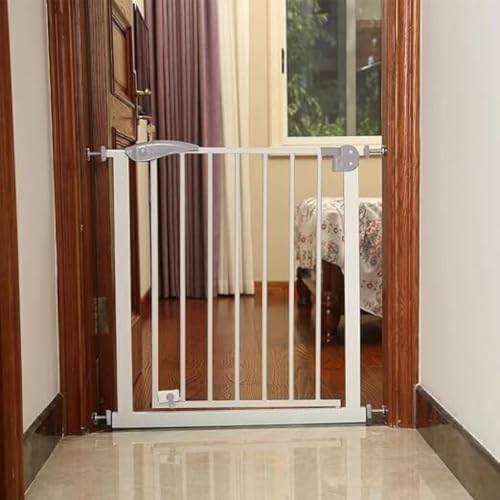
Babyjoy Safety Gate Expandable Baby Gate - Stairway Metal Frame
- ✓ Expandable width 75–110 cm (fits most Indian doorways)
- ✓ Pressure-mounted (no drilling needed)
- ✓ Lockable swing gate for child safety
* We earn a small commission — at no extra cost to you.
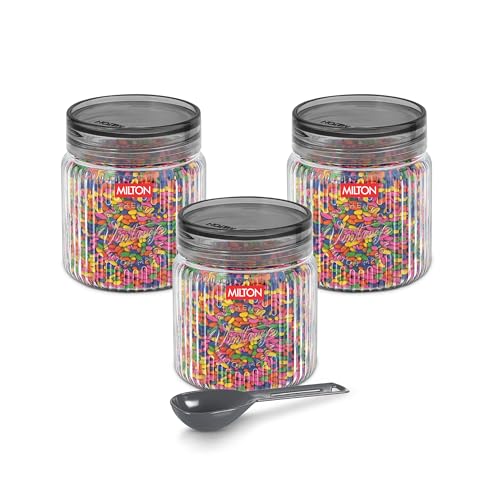
Milton Plastic Airtight Container Set (6 pcs) - Food Storage for Kitchen
- ✓ Child-proof clip lids (toddler-resistant)
- ✓ Microwave and fridge safe
- ✓ Keeps grains, dal, rice fresh and sealed
* We earn a small commission — at no extra cost to you.

Mee Mee Baby Care Kit - First Aid & Choking Emergency Essentials
- ✓ Includes baby CPR face shield and choking relief guide card
- ✓ Instructional diagrams for back blows and chest thrusts
- ✓ Compact first-aid pouch for emergency readiness
* We earn a small commission — at no extra cost to you.