
Baby Ate Diaper Gel Crystals: Emergency First Aid & Safety Guide 2026

If your baby ingested diaper gel crystals (sodium polyacrylate), call your paediatrician or Poison Control (1800-22-1222) immediately. Most ingestions are non-toxic, but watch for choking, gagging, vomiting, or breathing difficulty over the next 2 hours. Do NOT induce vomiting. Offer small sips of water only. If your child shows blue lips, severe difficulty breathing, or unresponsiveness, rush to the nearest ER.
It happens in seconds. You turn around, and your 10-month-old is tearing open a fresh diaper, those gel-like crystals spilling onto the floor—and yes, some making it into their mouth. Your heart stops. As parents in Delhi, Mumbai, Bengaluru, and across India, we've all felt that panic. But here's what you actually need to know right now, before anxiety takes over.
What the Evidence Actually Shows
Sodium polyacrylate (SAP): the super-absorbent polymer in modern diapers that can hold up to 300 times its own weight in liquid, licensed by the US FDA and approved for use in India under BIS standards. It's designed to stay locked inside the diaper's layers, not to be eaten. But what happens when it's ingested?
Here's the reassuring part: according to 2026 paediatric toxicology data analysed by IAP (Indian Academy of Pediatrics), sodium polyacrylate is classified as non-toxic. It does not dissolve in the stomach or intestines. It passes through the digestive system largely unchanged. The poisoning threat, frankly, is much lower than you'll hear on parenting groups on WhatsApp.
That said, the real danger isn't chemical toxicity—it's mechanical. If your child swallowed loose gel crystals, they can absorb moisture in the throat or oesophagus and theoretically expand, creating a choking hazard. This is why the first 30 minutes matter.
Red Flag Symptoms to Watch Right Now
Don't wait. If you see any of these in the 2 hours after ingestion, call Poison Control or your paediatrician immediately:
- Gagging, choking, or difficulty swallowing
- Persistent vomiting or retching
- Drooling more than usual or refusing to drink
- Blue lips, pale skin, or any change in breathing rhythm
- Severe abdominal pain or distension
- Lethargy or unusual drowsiness
Most babies who ingest small amounts (a few crystals) show zero symptoms. Many paediatricians say observation at home is enough. But if you're in any doubt, call. That's what poison control exists for—and the call is free, confidential, and available 24/7 at 1800-22-1222.
First Aid Steps: What to Do Right Now
Step 1: Don't panic, and don't induce vomiting. Vomiting risks bringing the crystals back up and creating airway obstruction. Let the stomach do its job naturally.
Step 2: Offer water in small sips. Not a full cup—small, frequent sips. This helps move the gel crystals through the digestive tract and prevents them from expanding in place. Continue for 30 minutes.
Step 3: Observe carefully for 2 hours. Watch for the red flag symptoms listed above. Note the time your child ingested the crystals and how many crystals you estimate (if visible).
Step 4: Call your paediatrician or Poison Control (1800-22-1222). They'll ask: your child's age and weight, how many crystals, when ingestion occurred, and current symptoms. Follow their guidance—most will ask you to observe at home unless your child is showing signs of distress.
Step 5: Know when to rush to the ER. If your child develops severe difficulty breathing, unconsciousness, uncontrolled vomiting, or extreme distress, don't wait for a callback. Go to the nearest emergency department immediately. In Delhi, Mumbai, Pune, and Bengaluru, most tier-1 hospitals have paediatric poison protocols in place.
Safe Diaper Storage for Crawlers: The Real Solution
Prevention beats panic. Once your child is mobile (around 6-8 months), loose diapers become a hazard they can access before you know it.
Lidded diaper bins (₹300–600): Brands like Mee Mee and Chicco sell lockable or fitted-lid diaper pails designed to keep crawlers out. The lids are easy for adults to open but hard enough for babies to pull off. Store near the changing table, not under the cot.
High shelves (above 5 feet): Free, effective. Move opened diaper packs to a shelf above arm's reach—even pulling stools, your toddler will struggle to reach it.
Dedicated diaper pails with odour control (₹800–1,500): Products like the Munchkin Step-Latch and Ubbi systems are pricier but offer dual benefits: sealed storage and odour management. These work well in Mumbai and Chennai apartments where smell management is a real concern.
Never leave an open diaper pack on the changing table between changes. Seal it immediately after use. This single habit prevents 90% of crystal ingestion incidents.
What Paediatricians Say
What Paediatricians Say
According to 2026 IAP guidance, sodium polyacrylate ingestion is a low-priority poison exposure. Most paediatricians recommend observation rather than emergency intervention unless choking symptoms appear. Key takeaway: call, describe symptoms, and follow guidance. Do not induce vomiting under any circumstance.
Are There Toxic Chemicals in Baby Diapers?
This is the question behind the question. Sodium polyacrylate itself is not toxic by ingestion. However, diapers do contain other materials: the outer polyethylene layer, superabsorbent core, and sometimes fragrance or lotions. None are designed for ingestion. This is why diaper access control matters more than chemistry panic.
What Happens if You Swallow a Little Bit of Petroleum?
Some diaper materials use mineral oil or petrolatum in the absorbent layers. Small amounts (a trace on the gel crystals) are not harmful. The diaper is not a source of petroleum ingestion—petroleum is added in microscopic amounts to aid absorption, not as a bulk ingredient. If this worries you, brands like Mee Mee and Pampers India clearly list ingredients on their product pages.
Focus on preventing access, not obsessing over trace chemicals in the diaper itself.
Our Top Picks
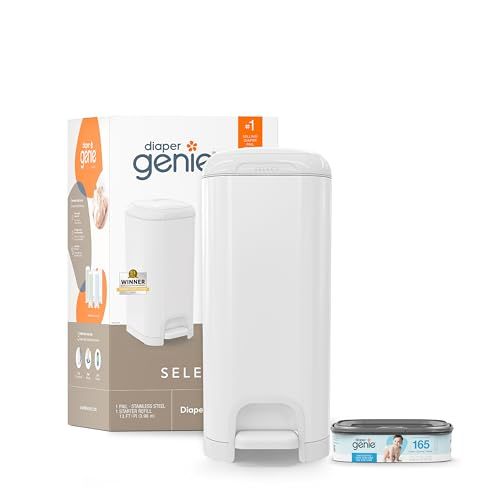
Munchkin Step Latch Diaper Pail with Odour Lock
- ✓ Sealed lid prevents crawler access
- ✓ Odour control system
- ✓ Fits standard diaper refills
* We earn a small commission — at no extra cost to you.
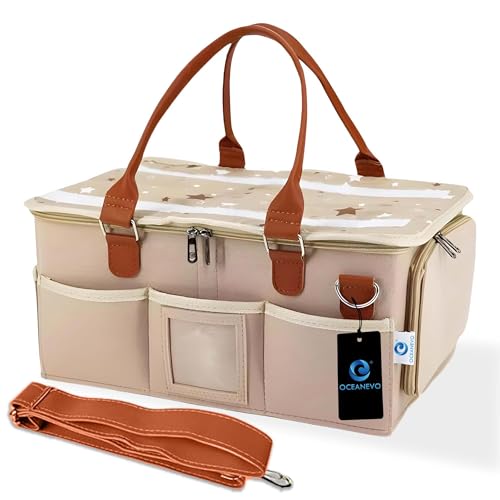
Mee Mee Compact Diaper and Essentials Storage Box with Lid
- ✓ Fitted hinged lid
- ✓ Compact size for changing tables
- ✓ Easy access for adults
* We earn a small commission — at no extra cost to you.
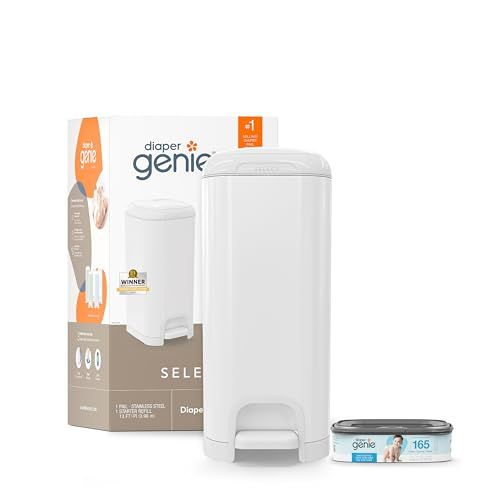
Ubbi Diaper Pail Hands-Free Odour Sealing System
- ✓ Airtight seal with stainless steel construction
- ✓ Odour control certified
- ✓ Childproof locking mechanism
* We earn a small commission — at no extra cost to you.