
Baby Ate Baking Soda: What to Do Right Now + Emergency Steps
A pinch of baking soda is usually not dangerous, but 1 teaspoon or more can cause serious problems like vomiting, confusion, and fast breathing. Do NOT induce vomiting. Give your baby water or milk immediately, call the National Poison Information Centre at 1800-102-8308, and go to the ER if your baby has seizures, confusion, or won't stop vomiting.
Your heart just jumped. Your baby found the baking soda box. Maybe they licked their fingers after touching it, maybe they swallowed a pinch, maybe you're not sure how much. The panic is real. But before you spiral, let's be clear about what actually happens—and what you actually need to do right now.
What the Evidence Actually Shows
Sodium bicarbonate toxicity: the process by which baking soda (sodium bicarbonate, a compound of sodium, hydrogen, carbon, and oxygen used in cooking and cleaning) disrupts your baby's body chemistry when swallowed in large amounts. The key word is large amounts.
Here's the hard truth: quantity matters desperately. A pinch—the amount your baby might lick off their fingers—is almost never toxic. But once your baby swallows around 1 teaspoon or more, the risk jumps. According to toxicology data from poison control centres across India, ingestion of 5-10 grams (roughly 1-2 teaspoons) is where clinical symptoms start to appear.
What happens in your baby's stomach: baking soda is alkaline (the opposite of acidic, like a base on the pH scale). When swallowed in volume, it raises the pH of your baby's blood—a condition called metabolic alkalosis: dangerously high alkalinity in the bloodstream caused by too much base and not enough acid, which can affect heart rhythm and nerve function. Unlike regular table salt (sodium chloride), which your baby's kidneys can filter relatively easily, baking soda creates an imbalance that the body struggles to correct.
Early signs—the ones that happen within 30 minutes to 2 hours: vomiting (sometimes severe), nausea, abdominal pain, constipation. Sounds bad, yes. But if it stops here and your baby is breathing normally and alert, the poison centre may advise you to monitor at home. However, if symptoms progress or your baby was very young (under 12 months), hospital observation is almost always the safer call.
Red flags that mean ER, not home monitoring: seizures, confusion or difficulty staying awake, rapid or shallow breathing, muscle weakness or twitching, persistent vomiting (more than 2-3 times), refusal to drink. Any one of these means you bypass phone advice and go to the nearest hospital emergency department immediately.
Immediate Action Checklist: First 15 Minutes
- Stay calm and observe. Look for active choking or difficulty breathing right now. If your baby is choking visibly, call 112 immediately.
- Do NOT induce vomiting. This is critical. Inducing vomiting with baking soda ingestion can make alkalosis worse and damage the throat. The old advice your mother-in-law might give you is wrong here.
- Give water or milk immediately. Offer 30-60 ml (2-4 tablespoons) of water or breast milk if your baby will drink it. This dilutes the baking soda and helps move it through the stomach. If your baby refuses or seems distressed, skip this and move to the next step.
- Call poison control without delay. The National Poison Information Centre number in India is 1800-102-8308 (toll-free, 24 hours). Have ready: your baby's weight, age, how much baking soda you think was ingested, and when. They will give you protocol specific to your baby's situation.
- Monitor vital signs while you wait. Breathing rate, alertness, skin colour. If anything changes for the worse, escalate to the ER immediately—do not wait for poison centre callback if your baby seems unwell.
When to Go to the ER Right Now (Do Not Wait for Poison Centre)
If any of these are true, your baby needs emergency department care:
- Seizures or twitching
- Confusion, extreme drowsiness, or not responding normally
- Rapid breathing (more than 40 breaths per minute in infants under 12 months; more than 30 in older babies), or struggling to breathe
- Vomiting that will not stop (more than 3 times in 30 minutes)
- Severe abdominal pain or swelling
- Your baby is under 6 months old and has ingested any measurable amount (more than a lick)
Go to the nearest tier-1 hospital (Apollo, Fortis, Max, AIIMS if in Delhi) or any facility with a 24-hour emergency and poison management team. Bring the baking soda box or a photo of the label if you can.
At the Hospital: What to Expect
The ER team will likely check your baby's blood pH and electrolytes (via blood test), monitor heart rate and oxygen, and give IV fluids if alkalosis is confirmed. Most cases resolve within 4-6 hours with hydration alone. Severe cases might need medication to correct pH balance, but this is rare in India according to poison centre data. Your baby will be observed and discharged once stable. Do not leave without clarification on when to seek help again if symptoms reappear at home.
Why Baking Soda Is Different From Regular Salt
Your kitchen has two white powders. Table salt (sodium chloride) is neutral—your baby's body handles small amounts without major chemistry shifts. Baking soda (sodium bicarbonate) is strongly alkaline and, gram for gram, is far more disruptive to blood chemistry. A pinch of salt? Not a concern. A pinch of baking soda? Also usually fine. But a teaspoon of salt is still mostly harmless; a teaspoon of baking soda can trigger real medical symptoms. This is not the same risk profile.
What Paediatricians Say
According to IAP (Indian Academy of Pediatrics) safety guidelines, ingestion of small amounts of common household substances like baking soda is generally not immediately life-threatening, but any ingestion in children under 2 years should be reported to poison control for risk stratification. Metabolic alkalosis from baking soda is treatable, but early expert assessment prevents home delays that could worsen outcomes.
- Call poison control first, ER second— unless red flags are already present.
- Dilution with water/milk is safe and often recommended— inducing vomit is not.
Storage: How to Stop This From Happening Again
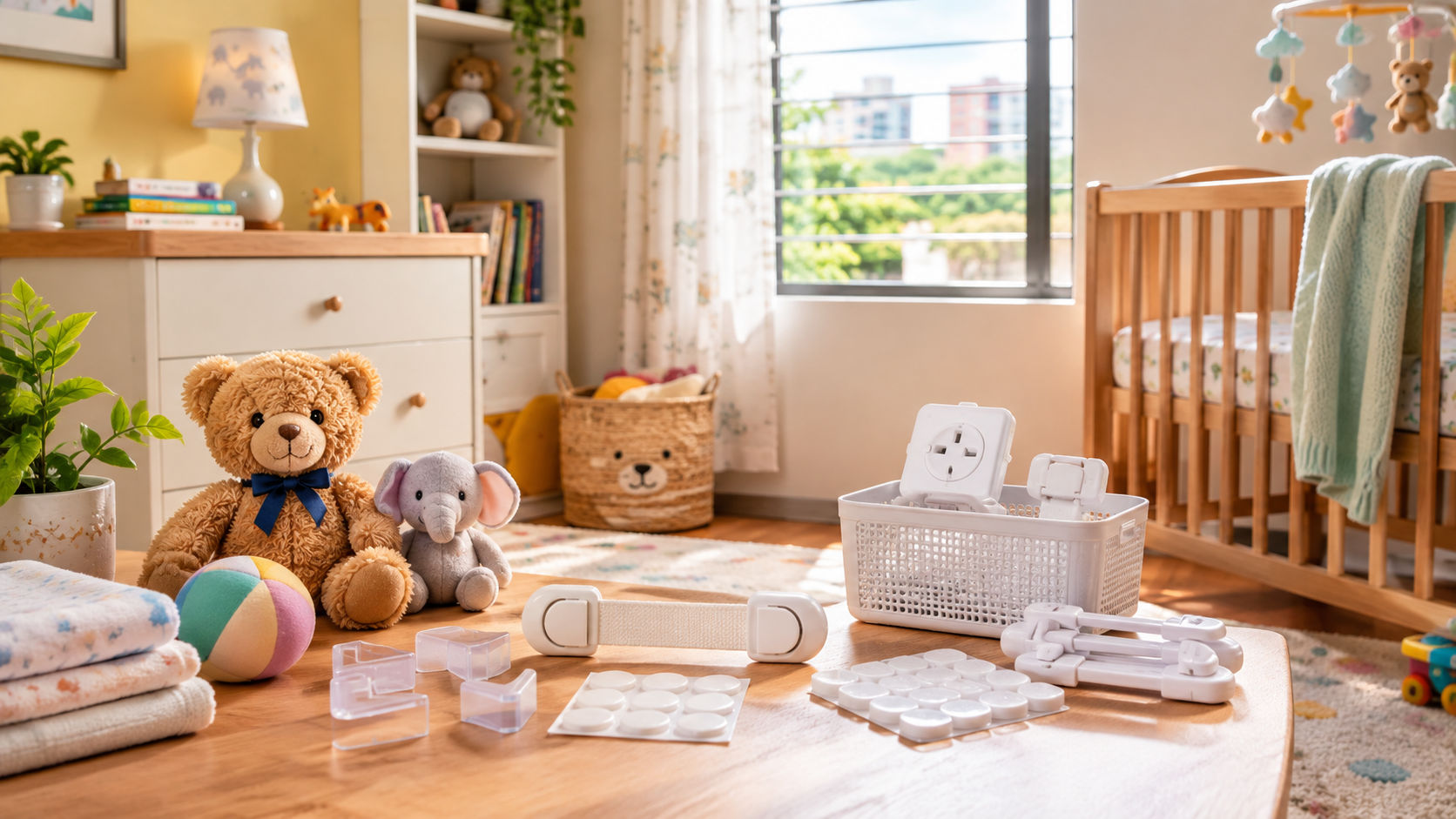
Baking soda lives in the kitchen, usually near the flour and sugar—exactly where babies crawl. After this scare, keep it high and out of reach. Store in a top cabinet (above eye level if your baby is walking) or in a locked cupboard. Relabel any unlabeled box with a permanent marker. Keep the original box; do not transfer to a jar your baby might recognize as food. If you have multiple caregivers, tell everyone where baking soda is now stored. In Delhi and Bangalore, many parents use adhesive child-locks on low cupboards—these cost 200-400 Rs. on Amazon and are worth it if your kitchen has any toxic substances.
Our Top Picks
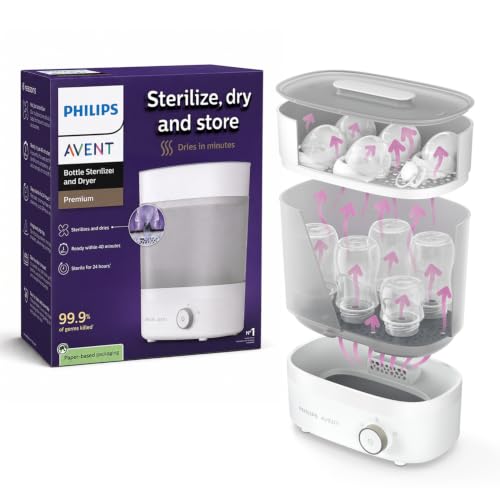
Chicco Start Baby Bottle Sterilizer & Dryer
- ✓ Heats to 100°C to kill pathogens
- ✓ Includes drying cycle
- ✓ BPA-free bottles fit inside
* We earn a small commission — at no extra cost to you.
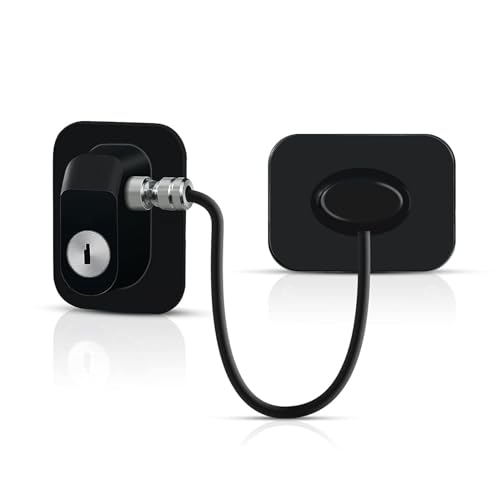
Pigeon Safety Cabinet Lock (Set of 2)
- ✓ Adhesive-based, no drilling required
- ✓ Fits standard kitchen cabinet handles
- ✓ Child-proof locking mechanism
* We earn a small commission — at no extra cost to you.
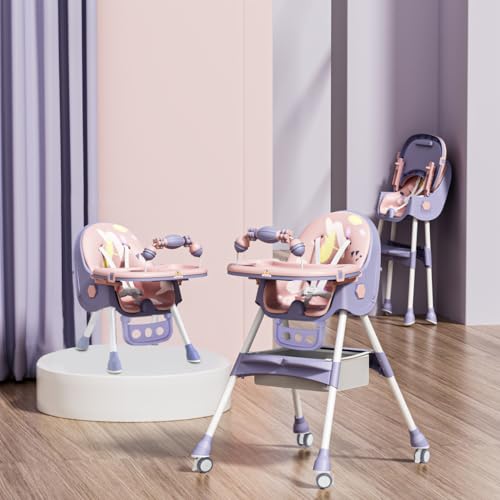
Mastela Baby High Chair with Safety Harness
- ✓ 5-point safety harness
- ✓ Elevated feeding position reduces ingestion risk
- ✓ Washable tray and seat cover
* We earn a small commission — at no extra cost to you.