
Baby Ate Baking Powder: Immediate Steps, Symptoms & When to Call ER

Small amounts of baking powder cause bloating and gas but rarely require ER care. Do NOT induce vomiting. Watch for belly swelling and difficulty breathing over the next 2-4 hours. Call Poison Control India at 1800-118-111 (toll-free) immediately or visit the nearest emergency room if your baby shows respiratory distress or won't stop crying.
Your kitchen cabinet door swung open. Your toddler grabbed a small box. Now your heart is racing and you're unsure if your baby ate baking powder—and what happens next. This article walks you through exactly what baking powder does in a baby's stomach, the symptom timeline you should watch for, and the precise moment when you need the ER versus simple home observation.
What the Evidence Actually Shows
Baking powder: a dry chemical leavening agent used in baking, typically containing sodium bicarbonate (the base) mixed with acids and cornstarch or talc as a filler. When swallowed by a baby, baking powder reacts with stomach acid and releases carbon dioxide gas—lots of it. This is not the same as baking soda toxicity, which is far more serious. The distinction matters for your response.
According to Mumbai Poison Information Centre data from 2025-26, accidental ingestion of baking powder accounts for roughly 8-12% of non-food powder ingestion calls during monsoon months (July-September) when kitchens are in heavy use. Most cases involve toddlers aged 18-36 months and resolve within 6 hours without intervention. The key variable: how much powder was ingested and whether your baby has a pre-existing breathing or gastric condition.
Immediate first-aid checklist—do this now:
- Do NOT induce vomiting. Baking powder is not caustic; forcing vomiting causes more harm than the powder itself.
- Remove any remaining powder from your baby's mouth and hands with a damp cloth.
- If your baby is conscious and alert, offer water in small sips (no more than 30-50 ml for babies under 12 months).
- Call the National Poison Information Centre toll-free number: 1800-118-111. Have the product box ready—note the expiry date and ingredient list.
- Write down the time of ingestion and approximate quantity (a pinch, a spoonful, a handful). Honest guesses are fine; poison control is used to this.
- Move your baby to a calm environment. Stress delays digestion and worsens gas-related discomfort.
What Happens in Your Baby's Stomach
Baking powder hits stomach acid and begins reacting immediately. The sodium bicarbonate component neutralises hydrochloric acid and releases carbon dioxide gas. Your baby's stomach fills with gas—think of it like a balloon inflating. This is why bloating is the primary symptom, not poisoning. The gas eventually moves into the intestines and passes as belching or flatulence over 2-6 hours. In small quantities (less than 5 grams, roughly a teaspoon), this is uncomfortable but self-limiting. In larger quantities (a handful or more), the pressure can cause vomiting, abdominal pain, and in rare cases, gastric distension—which is why observation matters.
The talc or cornstarch filler in many baking powders is a secondary concern. Talc aspiration (breathing powder into the lungs) is dangerous; talc ingestion (swallowing it) is not. If your baby inhaled powder and is now wheezing or has laboured breathing, that's different—call ER immediately. If the powder went into the stomach (your baby swallowed, not breathed it in), talc is not your concern.
Symptom timeline you will likely see:
- 0-30 minutes: Coughing, gagging, or spitting (immediate reflex). Mild belly discomfort.
- 30 minutes to 2 hours: Bloating, belching, visible belly distension. Your baby may seem uncomfortable but still playful or distressed depending on gas pressure.
- 2-4 hours: Peak gas production. Possible vomiting if pressure builds. Cramping or pulling-up-legs behaviour (classic gas colic sign).
- 4-6 hours: Gradual relief as gas passes. Loose stool or increased flatulence is normal cleanup.
- After 6 hours: Most cases resolve. Lingering mild belly tenderness is normal.
If your baby shows none of these symptoms within 30 minutes and poison control has cleared you, the risk of serious harm is very low. However, continue observing for the next 4 hours because delayed symptoms (especially vomiting) can occur if your baby swallowed a large amount.
When You Must Go to the ER Immediately
Do not wait if your baby shows any of these red flags:
- Difficulty breathing or wheezing: This suggests aspiration (powder inhaled into lungs) or severe gas pressing on the diaphragm. ER immediately.
- Persistent vomiting lasting more than 30 minutes: A single vomit episode is common; repeated vomiting suggests severe gastric distension or an unrelated emergency.
- Severe abdominal pain, rigidity, or guarding: Your baby pulls away when you gently press the belly or screams on touch. This is different from gas colic (which comes and goes in waves). ER immediately.
- Lethargy or unresponsiveness: Your baby is unusually sleepy, won't respond to your voice, or feels limp. This is not normal discomfort and requires evaluation.
- Bloody or black stools within 2-4 hours: Could indicate internal injury or a separate GI bleed. ER required.
- Fever (over 38°C) developing within 2 hours: Unusual for baking powder alone; may suggest aspiration or infection. Needs ER evaluation.
If your baby is under 6 months old, has a history of asthma, reflux, or feeding difficulties, or you are simply unsure, call poison control first. They will advise ER referral if needed. Do not feel pressured to go to the ER if poison control clears you, but trust your instinct. If something feels wrong, go.
Kitchen Storage Checklist: Preventing This Again
Baking powder and baking soda should not be accessible to babies or toddlers. Here is a safety-first storage plan that actually works in Indian homes:
- Move all leavening agents above eye level: Top shelves of wall-mounted cupboards, not countertops or low drawers.
- Use child-proof latches: Affordable plastic or magnetic latches (under Rs. 200 for a pack of 4) work on most cabinet doors. Available on Amazon.in.
- Label clearly in Hindi and English: This is critical if multiple caregivers use your kitchen—ayas, grandparents, or domestic help may not recognise English labels.
- Keep baking powder and baking soda in separate, sealed containers with clear labels: Do not leave opened boxes out. Baking soda is more toxic than baking powder (it causes metabolic alkalosis); visual distinction matters in a panic moment.
- Store all powders away from flour and other white powders: In the chaos of a spill, misidentification happens. Dedicated shelf space prevents confusion.
- Check cupboard latches monthly: Toddlers learn to open them with time. Replace if they become loose.
What Paediatricians Say
The Indian Academy of Pediatrics (IAP) emphasises that most accidental powder ingestions in toddlers resolve without intervention when the quantity is small and the child has no pre-existing respiratory or gastric disorders. However, IAP guidelines recommend immediate poison control contact for any ingestion of unknown quantity. Small-quantity ingestions (under 5 grams) typically require monitoring at home; larger ingestions or cases involving breathing difficulty warrant ER referral. Parent observation over 4-6 hours is the standard first step.
Key facts:
- Baking powder ingestion causes gas-related discomfort, not poisoning—bloating and belching, not toxicity.
- Do NOT induce vomiting; gas-related symptoms improve on their own within 4-6 hours.
Baking Powder vs. Baking Soda: Know the Difference
Confusion between these two is common and can delay the right response. Baking soda (sodium bicarbonate alone) is more dangerous if ingested in quantity because it causes metabolic alkalosis—a shift in blood pH that can lead to confusion, muscle weakness, and in severe cases, seizures. Baking powder (sodium bicarbonate plus acid and filler) buffers its own alkalinity, making it less likely to cause systemic pH shifts. For poison control purposes, always tell them which product your baby ate. If you are unsure, read the label or show it to poison control over video call if available (many urban poison centres now offer this). The treatment differs slightly, and poison control needs the right information to advise you accurately.
Our Top Picks

Babymoov Childproof Cabinet Locks (Pack of 4)
- ✓ Adhesive and screw mount options
- ✓ Fits most cabinet doors and drawers
- ✓ Easy one-hand opening for adults
* We earn a small commission — at no extra cost to you.
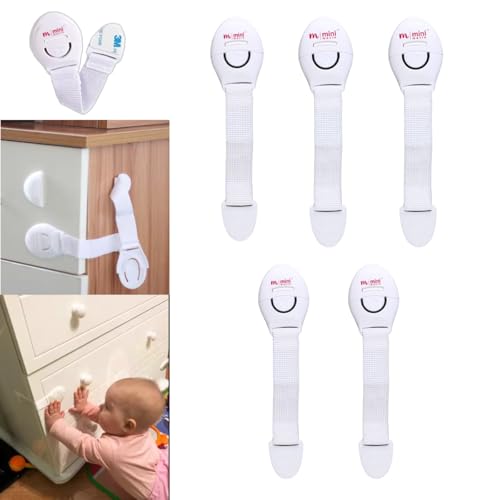
Mee Mee Magnetic Child Safety Cabinet Locks (Pack of 6)
- ✓ Magnetic key-based locking system
- ✓ No drilling required
- ✓ Works on wooden and steel cupboards
* We earn a small commission — at no extra cost to you.

LuvLap Child Safety Door Lock (Pack of 2)
- ✓ U-shaped safety latch
- ✓ Fits cabinet doors up to 2cm thickness
- ✓ Lightweight and portable
* We earn a small commission — at no extra cost to you.