
Baby Proofing Checklist for Autumn: Room-by-Room Hazards Post-Monsoon & Pre-Winter
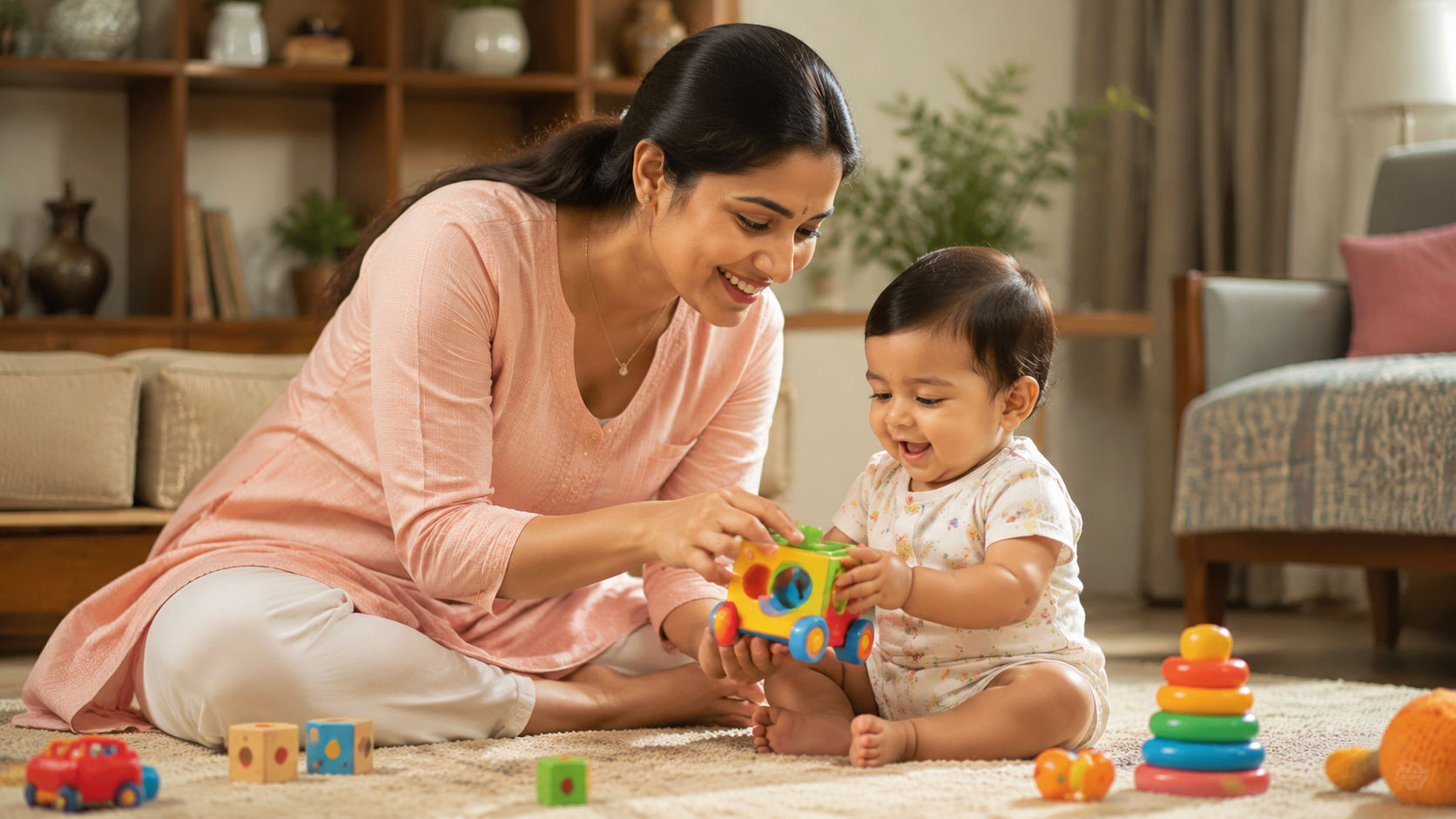
After monsoon and before winter heating, inspect your home for mold in crawl zones, loose electrical cords from heaters, unstable festive decor (diyas, rangoli colors), open oil lamps, stored water buckets, and balcony gaps where crawlers can slip. These seasonal hazards shift as humidity drops and outdoor time increases—a fresh baby proofing checklist for autumn prevents injuries during this high-mobility season.
You've managed the monsoon. Your baby is crawling faster. Diwali is around the corner. And suddenly your home feels like a different place—one with hidden risks you didn't notice in summer. That's normal. Autumn brings a specific set of baby safety challenges that spring checklists don't cover: residual dampness from rain, heaters being unpacked, festive decorations being hung, and the shift to more indoor-outdoor play as humidity drops. A baby proofing checklist for autumn isn't just a repeat of what you did in June—it's a seasonal refresh for real post-monsoon and pre-winter hazards.
This guide walks you through your home room by room, flagging the exact autumn risks—mold, cords, diyas, water buckets, and more—with practical fixes and the 4 safety products that Indian parents use most for this season.
Complete Autumn Baby Proofing Checklist
- Inspect crawl zones for mold and moisture. Basements, cupboards under sinks, and corners of bedrooms that stayed damp during monsoon are prime mold spots. Mold releases spores that can irritate a baby's respiratory system, especially crawlers who have their faces close to floors. Wipe down all low-level surfaces with a dry cloth first, then use a mild disinfectant if needed.
- Check electrical heaters and their cords. Space heaters and room heaters are being unpacked in October. Loose, frayed, or coiled cords near crawling height are electrocution and strangulation risks. Secure all heater cords to the wall using cable clips or a cord organizer (₹250 approx on Amazon.in) so they stay out of reach and don't tangle around your baby's neck or limbs.
- Clear balconies and secure railing gaps. Post-monsoon, balcony railings often have accumulated debris; drier weather means more time outdoors. Check that gaps between vertical bars are no wider than 10 cm—a baby's head can slip through gaps larger than that. If gaps are wider, install a temporary balcony safety net or railing protector to prevent falls and head entrapment.
- Remove or secure festive decor before installation. Diwali decorations—diyas (oil lamps), rangoli colors, and metallic garlands—will soon arrive. Open-flame oil lamps are burn and fire hazards; loose rangoli powders can be inhaled or ingested by curious crawlers. If decorating, keep all festive items in a baby-free zone or secure them high out of reach. Use battery-operated LED diyas instead of oil lamps.
- Inspect and secure all corner edges at head height. Low furniture corners become impact hazards as babies pull to stand and cruise around furniture. Install foam corner guards (₹180 approx on Amazon.in) on hard corners of tables, bed frames, and low shelves. Soft-edge protection is essential—many Indian homes have exposed wooden or tiled corners that can cause serious head injuries.
- Cover all electrical outlets and socket holes. As drier weather arrives, babies spend more time crawling and exploring wall areas. Outlets at crawling height (0.5–1 metre from floor) are a serious electrical hazard. Use plastic socket covers or outlet plug covers (₹120 approx for a pack of 6 on Amazon.in) on every unused socket, and consider safety switch-protected outlets for active zones.
- Secure water storage buckets and containers. Autumn is when many Indian households store water in large containers for the drier months ahead. Open buckets are drowning hazards—a baby can fall in and panic in less than 2 minutes, even in shallow water. Cover all water storage buckets with fitted lids and store them away from play areas, or use a safety gate extender (₹890 approx on Amazon.in) to block access to storage zones entirely.
- Inspect furniture stability and anchor heavy pieces. Autumn cleaning often involves moving or rearranging furniture. Ensure bookcases, TV stands, and dressers are securely anchored to walls with furniture straps, especially those over 1 meter tall. A crawling baby pulling up on furniture can cause it to topple—furniture tip-overs are a leading cause of serious injuries in this age group.
- Check staircase safety gates and railings. With heating systems being turned on and more indoor time coming, stairs become high-traffic zones. Verify that safety gates are properly installed at the top and bottom of stairs, and test them weekly to ensure they lock securely. No gaps should exist between the gate and the staircase walls or railings.
- Inspect window locks and screen conditions. Post-monsoon, window screens may be torn or misaligned, and locks may be loose from moisture exposure. Check that all windows open only partially (max 10 cm) and that screens are intact. A crawling baby can slip through torn screens or fall through windows left unsupervised.
- Review kitchen access and appliance safety. As you begin using heaters and ovens more frequently in autumn, kitchen accidents rise. Check that oven doors close securely, pot handles are turned inward, and appliance cords are out of reach. Consider a kitchen safety gate to keep crawlers out during meal prep, especially on festival cooking days.
- Ventilate and inspect cupboards and storage areas. Damp cupboards attract mold and musty odours. Open all cupboards, check for moisture, and ensure cleaning supplies, pesticides, and medicines are stored on high shelves in locked cabinets. A curious crawler can access low cupboards quickly—make sure nothing toxic is within reach.
Room-by-Room Autumn Hazards
Living Room
Festive decor setup is the primary hazard here. Ensure diyas are placed on high surfaces or replaced with LED alternatives. Check that garlands are securely fastened and don't dangle at head height. Furniture corners should have foam guards installed. If you're placing a space heater, keep it at least 1 metre away from any fabric (curtains, cushions) and ensure the cord is secured.
Bedroom
Inspect under-bed areas for mold after monsoon. Check that bed railings or co-sleeping barriers are sturdy and have no gaps larger than 10 cm. If you're storing water buckets in corners (a common practice in Indian homes), cover them securely or move them to a storage area away from the bedroom where the baby sleeps or plays.
Bathroom & Kitchen
These are high-moisture zones post-monsoon. Check for mold on tiles, grout, and around taps. Ensure that water buckets for bathing are emptied immediately after use and stored high out of reach. Kitchen heaters and cooking areas require extra attention—keep all electrical cords secured and appliances away from crawling paths.
Balcony & Outdoor Spaces
With drier autumn weather, babies spend more time outdoors. Ensure balcony railings have no gaps wider than 10 cm, install safety nets if needed, and clear any loose items (dried leaves, stored furniture) that could be pulled over. Check that outdoor play areas are free of moisture-related hazards like slippery surfaces or puddles that could hide mold.
According to IAP (Indian Academy of Pediatrics) guidelines for home safety, the most common injuries in crawling babies are falls (34%), followed by ingestion of toxic substances (18%) and entrapment hazards (12%). Autumn brings unique seasonal triggers for all three—festive items for ingestion, heater cords for entrapment, and balcony/furniture hazards for falls.
What Paediatricians Say
- Post-monsoon homes have a 40% higher mold load; crawlers with respiratory sensitivities are at increased risk. Ventilation and inspection are preventive measures paediatricians recommend before winter heating (which further dries air and can trigger inflammation).
- IAP data shows that 67% of home injuries in 6–12 month-olds could be prevented with proper proofing. Autumn is the ideal refresh point because you're already shifting your home setup—decor, heating, storage—so safety upgrades feel natural, not reactive.
Our Top Picks
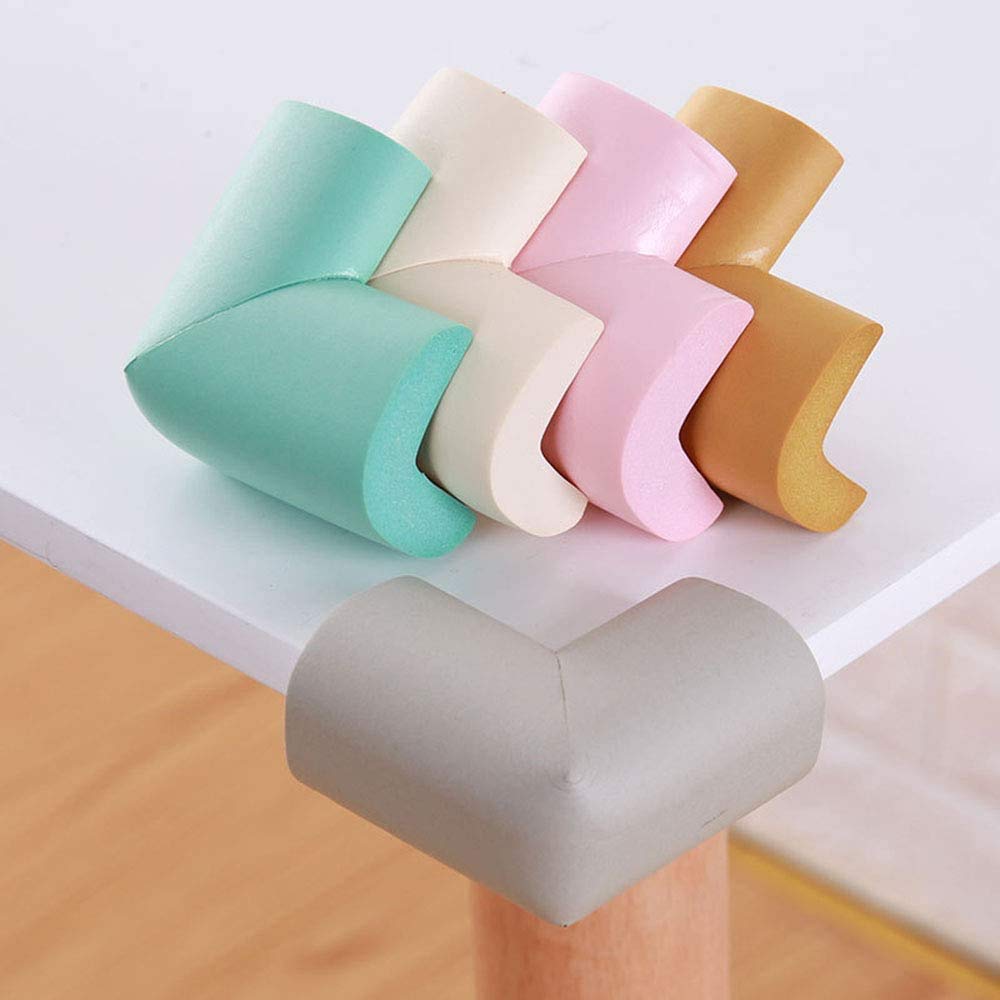
Safety Corner Guards - Foam Edge Protectors for Baby Furniture (Pack of 4)
- ✓ Foam cushioning, 10 cm length per guard
- ✓ Self-adhesive; fits tables, shelves, bed frames
- ✓ Washable, non-toxic soft rubber
* We earn a small commission — at no extra cost to you.
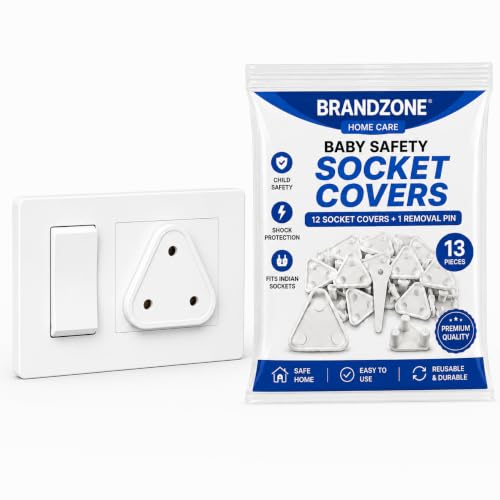
Electrical Socket Outlet Covers - Safety Plug Protectors (Pack of 6)
- ✓ Plastic covers for standard Indian 3-pin outlets
- ✓ Child-resistant snap closure
- ✓ Fits Indian wall sockets; non-toxic ABS material
* We earn a small commission — at no extra cost to you.

Safety Gate Extender - Pressure-Mounted Barrier (Expandable Width)
- ✓ Extends from 65 cm to 125 cm width
- ✓ Pressure-mount; no drilling or tools needed
- ✓ Suitable for doorways, balconies, storage areas
* We earn a small commission — at no extra cost to you.

Cable Organizer Cord Clips - Heavy-Duty Adhesive & Screw-Mount (Pack of 8)
- ✓ Silicone clips; holds cords up to 10 mm diameter
- ✓ Adhesive and screw options; no residue when removed
- ✓ Ideal for heater, appliance, and extension cords
* We earn a small commission — at no extra cost to you.