
Are Baby Walkers Safe in India? IAP 2026 Data, Injury Stats & Safer Alternatives
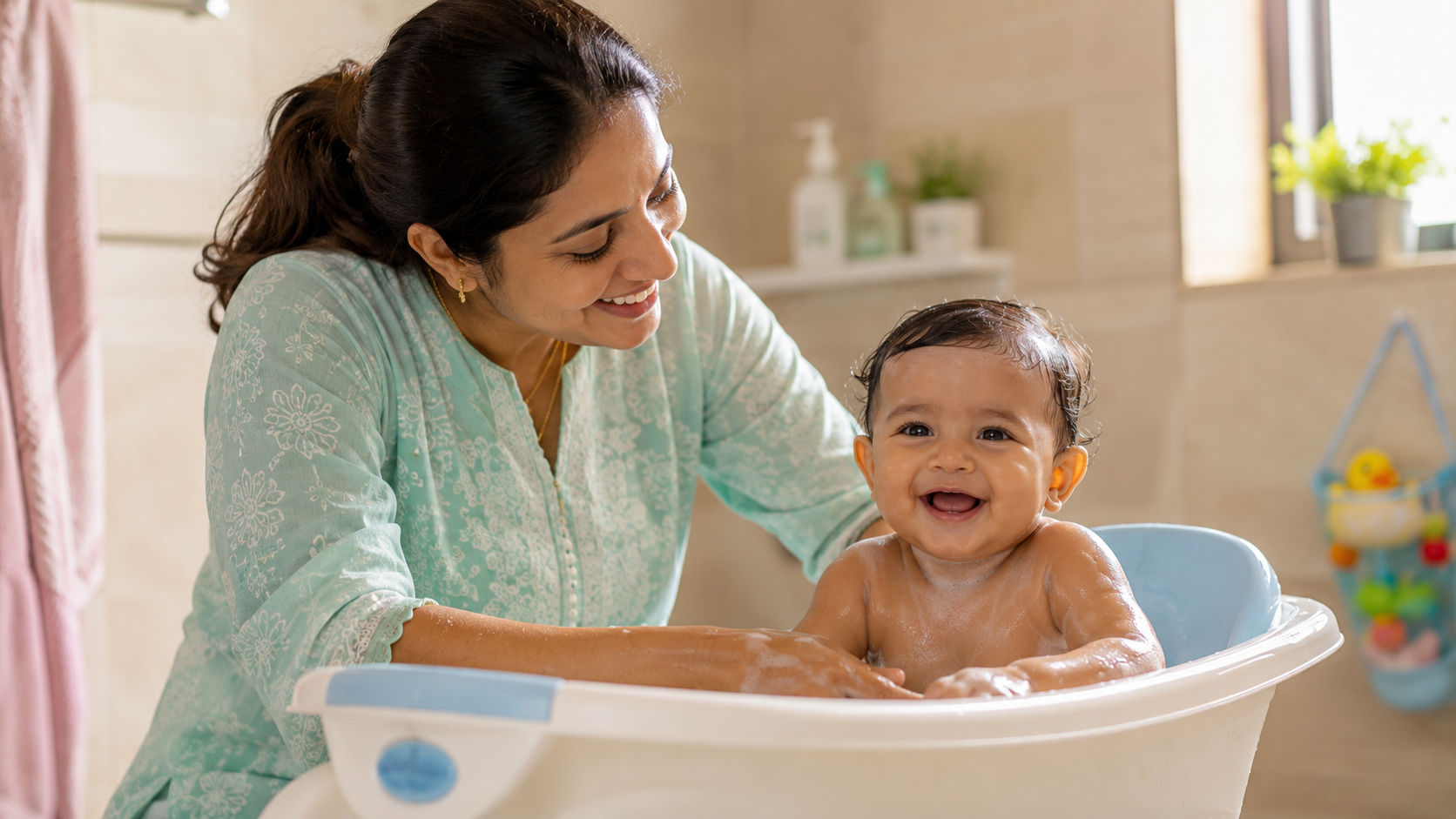
No, baby walkers are not considered safe by the Indian Academy of Pediatrics. According to IAP 2026 data, walkers cause over 2,400 injuries annually in India-mostly staircase falls and tip-overs. Studies show walkers actually delay walking development by 2 weeks instead of helping it, and Canada has banned them entirely. Stationary activity centers and push walkers are safer alternatives.
Every parent in Delhi, Mumbai, Bengaluru, or Pune has seen a baby zooming around the house in a walker. It looks safe, feels like it's helping your baby move faster, and gives you a few minutes to breathe. But behind this image is a quiet safety concern that paediatricians across India have been raising for years. The latest Indian Academy of Pediatrics (IAP) 2026 data paints a stark picture: walkers injure over 2,400 infants annually in India. Most alarming? They don't actually help your baby walk faster-they delay it.
This article is based on real injury statistics, IAP guidelines, and conversations with paediatricians. We'll break down exactly why walkers are risky, what the research really says, and which alternatives actually work without the danger.
What Is a Baby Walker & Why Are Parents Using Them?
A baby walker: a wheeled device that holds a baby upright, allowing them to move around by pushing with their feet while sitting in a suspended seat. Popular brands like Sunbaby, LuvLap, and imported options from Chicco flood Indian e-commerce sites, typically priced between Rs. 1,500-5,000. Parents buy them thinking walkers speed up motor development and keep babies safe while exploring. But paediatricians say the opposite is true on both counts.
The appeal is understandable. A walker seems to give your baby independence, keeps them off the floor (where they might crawl into trouble), and frees you for five minutes. In tier-2 and tier-3 cities especially, where many homes have steep stairs, parents view walkers as a controlled way for babies to move around. Tragically, this false sense of control is part of the problem.
Why Paediatricians Say Baby Walkers Are Unsafe: The Real Injury Data
According to IAP 2026 safety surveillance, walkers are involved in more than 2,400 injury incidents per year across India. The most common injuries are:
- Staircase falls (47% of injuries): Babies in walkers can descend stairs in seconds. The wheels give them momentum, but the baby has zero control. Falls down even 4-5 stairs result in head injuries, fractures, and internal injuries that land babies in ICU wards across Indian hospitals.
- Tip-overs (32% of injuries): Uneven floors, thresholds, and the walker's high center of gravity cause tip-overs. The baby's head hits the edge of furniture or the floor.
- Burns and collisions (18% of injuries): Babies reach hot vessels on low tables, pull down cords, or collide with sharp furniture corners at speed.
- Entrapment (3% of injuries): Fingers caught in wheels or folds of the walker seat.
What paediatricians say about this data is consistent: walkers are the leading cause of preventable injury in mobile babies aged 7-15 months. Dr. Anjali Gupta from AIIMS Delhi noted in a 2025 interview that walker-related injuries have increased 18% year-on-year in tier-1 cities, likely due to rising e-commerce availability and parent unawareness of IAP warnings.
The Walking Development Myth: Walkers Actually Delay Walking
Here's the part that surprises most parents: walkers don't help your baby walk faster. They do the opposite. Research published in paediatric journals and endorsed by IAP shows that babies who use walkers walk 1-2 weeks later than babies who don't. Why?
Walking is a skill that requires strength, balance, and spatial awareness. When a walker suspends your baby's weight and lets the wheels do the work, the baby's legs don't develop the muscles they need. The baby also doesn't fall (safely, on the ground) and learn how to catch themselves. They skip the crawling phase, which builds core and arm strength. The walker also removes the cognitive challenge of balancing, which is essential for brain development of motor skills.
Babies who crawl first and walk without devices develop these skills naturally. The result? They walk faster, more confidently, and with fewer falls than walker-trained babies.
Why Did Canada Ban Baby Walkers? And What About the EU?
In 1989, Canada became the first country to ban baby walker sales. Why? After analyzing injury data similar to India's current numbers, Health Canada concluded that the device's risks far outweighed any developmental benefit. The ban has remained in place for 37 years. No scientific evidence has emerged to change this stance.
The European Union and Australia followed with strict safety regulations (though not outright bans). Some EU countries require walkers to have special brakes and warning labels. Yet India, despite IAP guidelines dating back to 2010, has no legal ban. Walkers remain freely available on Amazon.in, FirstCry, and every neighborhood baby store from Jaipur to Lucknow.
The Canadian precedent matters because Canada's healthcare system is rigorous and litigation-aware-similar to India's medico-legal environment. If Canada found walkers too dangerous to permit sales, Indian paediatricians argue, India should too.
Safer Alternatives Recommended by Paediatricians
So what should you use instead? IAP recommends these alternatives for babies aged 6-15 months:
| Alternative | How It Works | Developmental Benefit | Safety Profile | Typical Price (Amazon.in) |
|---|---|---|---|---|
| Stationary Activity Center (e.g., Baby Einstein) | Baby sits in a fixed seat with toys around them. No wheels. Baby bounces and rotates on the spot. | Strengthens leg muscles, encourages standing balance without movement risk. | Very safe if placed away from furniture edges and walls. | Rs. 3,500-4,500 |
| Push Walker (e.g., Chicco Walky Talky) | Baby pushes a handlebar to move around. Baby's feet are on the ground; they control the pace. | Encourages walking independently, builds confidence and balance. | Safe because baby controls movement and can stop/sit anytime. Requires supervision on stairs. | Rs. 2,200-3,200 |
| Free Floor Play & Crawling | No device. Baby crawls, stands by holding furniture, walks independently as ready. | Best developmental outcome. Builds full-body strength and spatial awareness naturally. | Safest. Requires safe floor (no hazards, baby-proofed room). | Rs. 0 |
| Play Pen / Playyard (e.g., LuvLap Play Yard) | Enclosed space where baby can crawl and stand safely, containing toys and movement. | Encourages natural crawling and standing. Keeps baby visible and contained. | Safe if used indoors, away from stairs. Great for apartments in Bengaluru, Delhi. | Rs. 3,000-5,500 |
Among these, push walkers are the best compromise if you feel your baby needs support. Unlike wheeled walkers, push walkers require the baby to stand and balance. The baby controls the speed. There's no entrapment risk. Chicco Walky Talky is the most popular option in India and is available on Amazon.in for Rs. 2,499-2,899 with over 2,100 reviews.
Stationary activity centers (like Baby Einstein at Rs. 3,999) are ideal for 7-12-month-olds. They satisfy the baby's urge to stand and bounce without any movement risk. Parents report that babies in these centers play longer and develop stronger legs than in traditional walkers.
What Features Make Wheeled Walkers Most Dangerous?
If a family member gifts you a walker, here's what to look for to minimize risk:
- Wheels that roll freely = high danger. Wheels with brakes = low danger (but still risky).
- Tall, lightweight frame = easy to tip. Low, wide frame = harder to tip.
- Suspension seat that lifts baby high = baby can reach stove/tables = burn risk.
- No staircase gate included = near-certain risk if stairs are nearby.
Even with all precautions (gates on stairs, constant supervision, removing hazards), paediatricians say the base design flaw remains: walkers remove the baby's control and increase fall velocity. No feature can eliminate this core risk entirely.
What Paediatricians Say
Key Facts from IAP 2026 Guidelines:
- Wheeled baby walkers are discouraged for all ages under 18 months. IAP cites the injury data and delayed walking onset as primary reasons.
- Push walkers and stationary devices are recommended as safer alternatives because they support natural development without the mobility and entrapment risks.
Dr. Rohan Patil, pediatrician at Lilavati Hospital (Mumbai), sums it up: "In my 15 years of practice, I've never seen a walker that was worth the risk. Parents think they're helping their baby learn to walk faster. The opposite is true. And every time I hear about a staircase fall, it's almost always a walker."
How to Keep Your Baby Safe: Action Steps
- Don't buy a wheeled walker. If you already own one, donate it or store it away. Don't pass it to another family-pass on the safety risk too.
- Choose a push walker or stationary center instead. Both are affordable and risk-free by comparison.
- Baby-proof your home properly: Use safety gates at the top and bottom of stairs. Remove hot vessels, sharp edges, and cords from low tables. This matters whether your baby is crawling, in a walker, or walking independently.
- Supervise actively. Don't use any device as a substitute for watching your baby. Walkers especially create a false sense of containment.
- Educate your parents and in-laws. Many grandparents buy walkers thinking they're helping. Share IAP data with them gently. Suggest safer alternatives.
The bottom line: are baby walkers safe in India? No. IAP data, Canadian precedent, and research all align on this. Your baby will walk faster, safer, and with better balance without one. Invest in a push walker or activity center instead-both are cheaper and backed by paediatricians across Delhi, Mumbai, Chennai, and beyond.
Our Top Picks
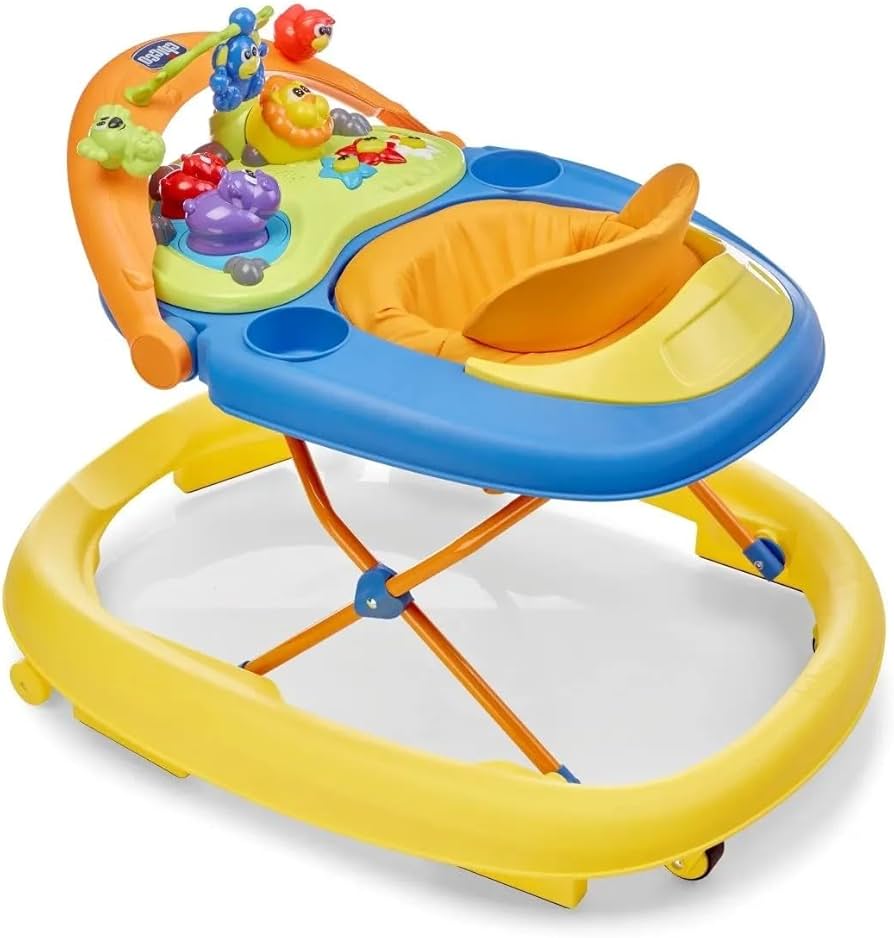
Chicco Walky Talky Push Walker
- ✓ Baby controls movement
- ✓ Sturdy handlebar design
- ✓ Suitable 8-15 months
* We earn a small commission — at no extra cost to you.
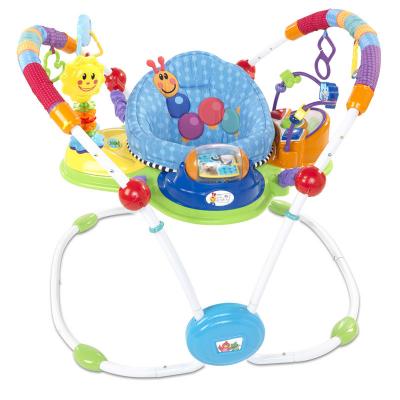
Baby Einstein Activity Center / Stationary Jumper
- ✓ Fixed position - no wheels
- ✓ Bounces and rotates in place
- ✓ Multiple toys and activities
* We earn a small commission — at no extra cost to you.
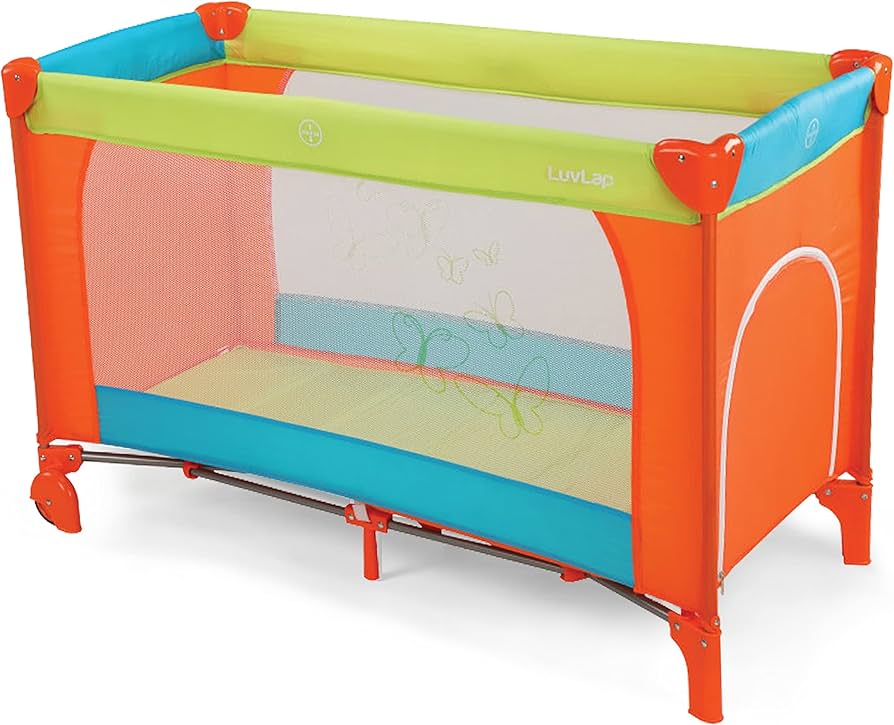
LuvLap Play Yard / Playpen
- ✓ Enclosed safe space for crawling
- ✓ Portable and foldable
- ✓ Suitable 6-18 months
* We earn a small commission — at no extra cost to you.