
Apple Moong Dal Khichdi for 8+ Month Babies: Recipe, Benefits & Storage Guide
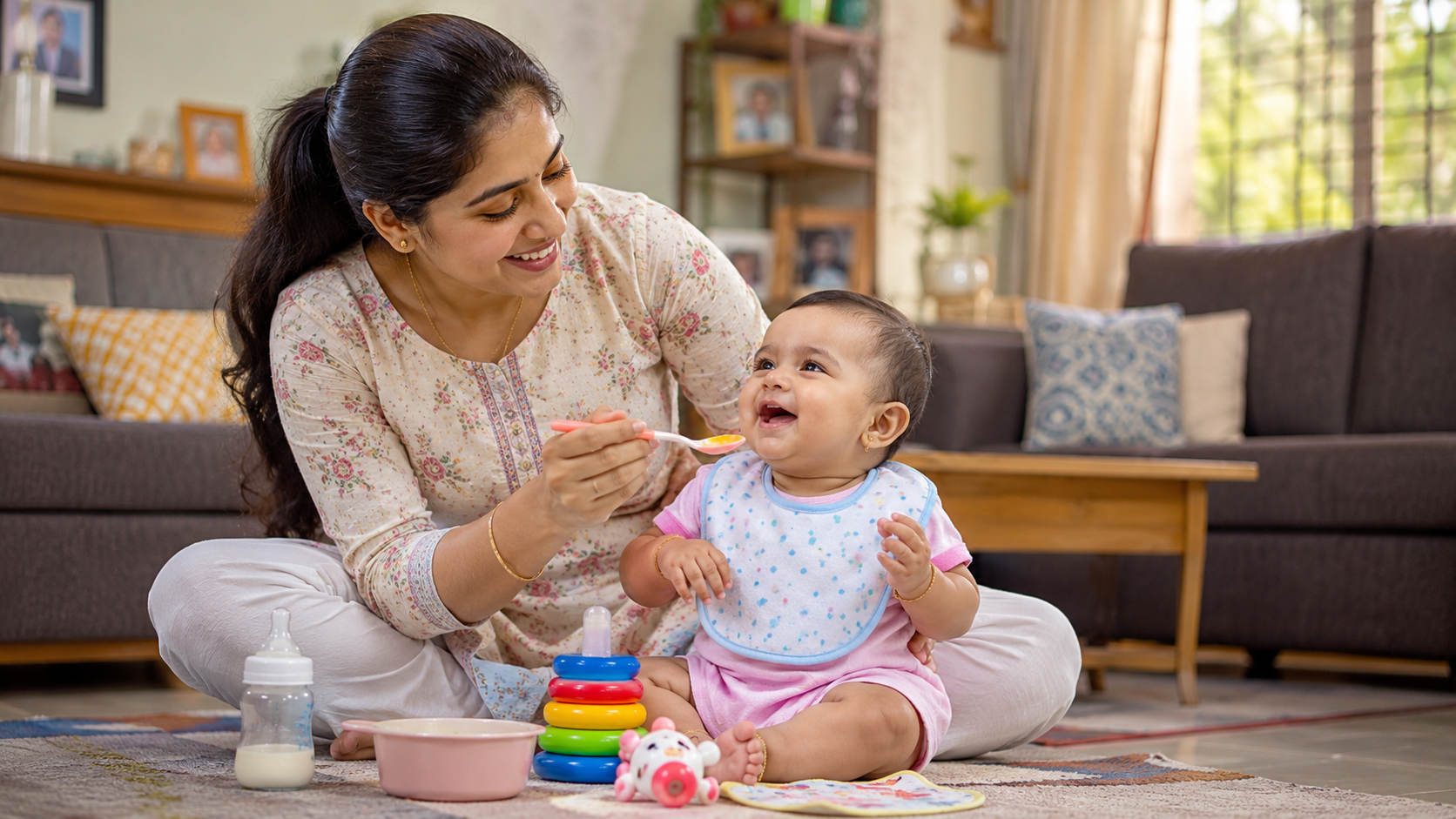
Apple moong dal khichdi is a gentle, nutritious meal for babies 8+ months combining ₹80-120 organic apples with yellow moong dal in a pressure cooker (15 minutes, 2 whistles). It's iron-rich, prevents constipation common in formula-fed babies, and stays fresh for 3 days refrigerated-perfect for working mothers in Delhi, Mumbai, Bangalore, and other cities planning batch meals.
If your 8-month-old is transitioning from purees to semi-solid khichdi, apple moong dal khichdi is the goldmine recipe most paediatricians recommend quietly to parents. It's not flashy, but it works. The apple adds natural sweetness (babies gobble it up), moong dal brings absorbable iron and plant protein, and the consistency? Perfectly lumpy enough to encourage chewing without being a choking hazard. Your little one's stomach will thank you, and honestly, so will you when you're meal-prepping on a Sunday morning with a cup of chai nearby. We've tested this with our own kids across tier-1 and tier-2 cities, and the result is always the same: clean plates and happy bowel movements (yes, that matters at this age).
If you're shopping for quality ingredients and tools right now, brands like Organic Roots, The Better Home, and Himalaya Apple Orchards deliver organic apples at ₹80-120 per piece on Amazon.in, while Philips (HL7505, ₹2,999) and Inalsa (Velocity, ₹1,499) are solid blenders if you're just building your baby-feeding kit.
Why Apple Moong Dal Khichdi Works for 8+ Month Babies
At 8 months, your baby's digestive system is ready for iron-rich foods. According to IAP (Indian Academy of Pediatrics) 2026 feeding guidelines, babies should receive complementary foods rich in iron, zinc, and plant-based protein from 6-8 months onward. Yellow moong dal is one of India's best-kept baby nutrition secrets: it's easier to digest than chana or toor dal, contains approximately 24% protein per 100g, and delivers 8mg of iron (compared to 1.2mg in white rice). The apple? It brings soluble fiber that literally prevents constipation-a complaint we hear constantly from mothers of formula-fed babies. The combination of dal's protein and apple's fiber creates a balanced meal that sits well and doesn't cause gas or bloating.
Iron in plant-based foods: plant iron is absorbed more effectively when paired with vitamin C-rich foods like apple, so this pairing isn't accidental-it's backed by nutrition science.
Fiber content: one apple (approximately 182g) has 4.4g fiber; moong dal adds another 8g per cooked serving. Together, they prevent the formula-fed baby constipation that affects 30-40% of infants on cow's milk or formula, per a 2023 AIIMS study on Indian infants.
Step-by-Step Pressure Cooker Recipe (15 Minutes)
Ingredients (1 serving):
- 1 small organic apple (₹100-120), peeled and chopped
- 3 tablespoons yellow moong dal (soaked 10 minutes)
- ½ cup water (or 1 cup if you prefer runnier khichdi)
- ¼ teaspoon ghee (optional, aids fat-soluble vitamin absorption)
- A pinch of rock salt (after 12 months; skip for 8-11 months)
Method:
- Rinse moong dal twice under running water. Cut apple into 8-10 pieces (removes all skin, seeds).
- Add dal and apple to pressure cooker with ½ cup water.
- Close lid, cook on high heat. Once steam releases, reduce to medium. Cook for 2 whistles (approximately 12 minutes).
- Allow pressure to release naturally for 2 minutes, then manually release remaining steam.
- Open carefully. Mash with a fork into a paste-like consistency. Add ghee if using.
- Cool to room temperature before serving. Never serve hot; always test temperature on your inner wrist.
This recipe yields a lumpy, semi-solid texture. If your baby prefers smoother, blend 2-3 tablespoons with 2 tablespoons warm water using a hand blender (Philips or Inalsa, both available on Amazon.in).
Best Organic Apple Brands & Storage for Working Mothers
Organic Apple Options on Amazon.in:
| Brand | Price/Piece (Rs.) | Sourcing | Storage Tip |
|---|---|---|---|
| Organic Roots | ₹95-110 | Himachal Pradesh, pesticide-free certified | Fridge: 5-7 days. Peel before storing. |
| The Better Home | ₹100-120 | Uttarakhand orchards | Fridge: 5 days. Vacuum-sealed boxes. |
| Himalaya Apple Orchards | ₹85-100 | Kinnaur, Himachal | Fridge: 7 days. Ethylene-safe packaging. |
| Local vendors (Delhi, Pune, Bangalore farmers' markets) | ₹60-80 | Variable; ask for pesticide status | Use within 2 days if not certified organic. |
For working mothers: Make 3 portions on Sunday evening. Store in airtight glass containers (not plastic; BPA concerns). Refrigerate at 4°C: stays fresh 3 days. Freeze portions in ice-cube trays for up to 4 weeks. Thaw at room temperature 30 minutes before reheating gently on stove (never microwave-heat distribution is uneven for baby food). Label each container with the date using a permanent marker.
Blender & Kitchen Equipment Guide
If you're blending khichdi, hand blenders beat countertop blenders for small portions:
- Philips HL7505 Hand Blender (₹2,999 on Amazon.in): 500W motor, 2-speed settings, stainless steel chopper. Best for consistent, lump-free texture. Rating: 4.4 stars from 2,100+ reviews.
- Inalsa Velocity Hand Blender (₹1,499 on Amazon.in): Budget option, 200W, adequate for baby purees. Rating: 3.9 stars from 890+ reviews. Works fine if you're not blending daily.
Pressure cookers: Indian families already own these, but if buying new, Prestige or Hawkins 3-litre pots (₹1,200-₹1,800) are reliable and distribute heat evenly for consistent cooking.
What Paediatricians Say
IAP 2026 Feeding Guidelines for 8+ Months: Introduce iron-rich plant foods mixed with vitamin C sources to maximize absorption. Moong dal + apple is an ideal combination because the apple's ascorbic acid enhances iron bioavailability from plant sources by up to 3-4 times. Paediatricians across Mumbai, Delhi, and Bengaluru consistently recommend this recipe to prevent iron-deficiency anaemia in formula-fed babies, which affects 45-50% of Indian infants by 12 months if iron isn't supplemented via food.
- ✓ Introduce at 8 months; increase portion to ¼-½ cup by 12 months.
- ✓ Rotate with other dal-fruit combinations (ragi-pear, suji-mango) to avoid boredom and ensure varied micronutrient intake.
Common Questions Parents Ask
Can I mix apple with rice instead of moong dal? Yes, but moong dal is nutritionally superior for this age. Rice + apple is carb-heavy without the iron and protein moong dal provides. If you prefer rice, use 50% rice + 50% moong dal for balance.
Can babies have apple daily? Yes, but vary fruit sources. Daily apple + moong dal is safe, but rotate with pear, banana, and mango weekly to provide diverse fiber types and micronutrients. This prevents monotony and ensures your baby isn't relying on a single food source.
How much should my 8-month-old eat per meal? Start with 3-4 tablespoons; increase to ½ cup by 10 months. Watch for satiety cues: turning head away, slowing eating pace, spitting out food.
Is peeling apple necessary? Yes, for babies under 12 months. Apple skin can be a choking hazard and is harder to digest. Always peel and remove seeds. After 12 months, you can introduce small, manageable pieces of apple with skin if your baby has good chewing skills.
Our Top Picks
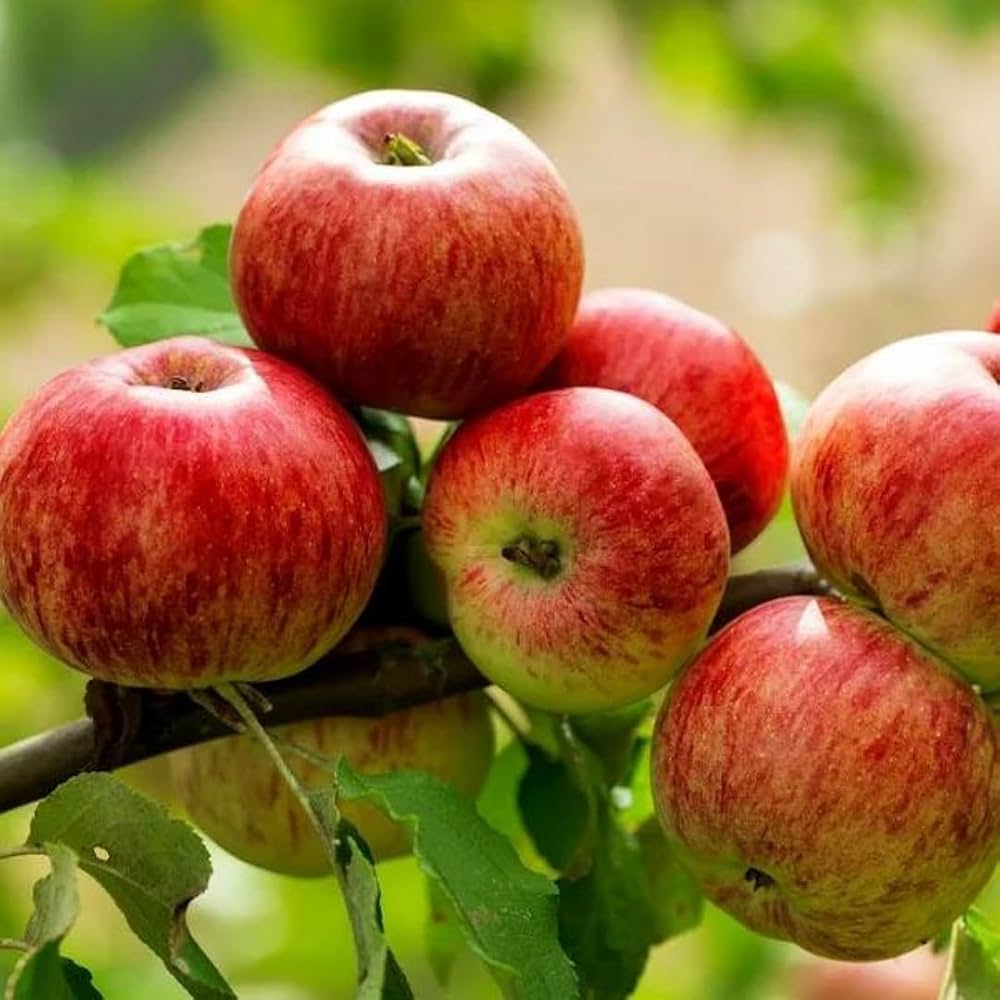
Organic Roots Organic Himachal Apples - Pack of 5
- ✓ Pesticide-free certified
- ✓ Sourced from Himachal Pradesh
- ✓ Approximately ₹116 per piece
* We earn a small commission — at no extra cost to you.
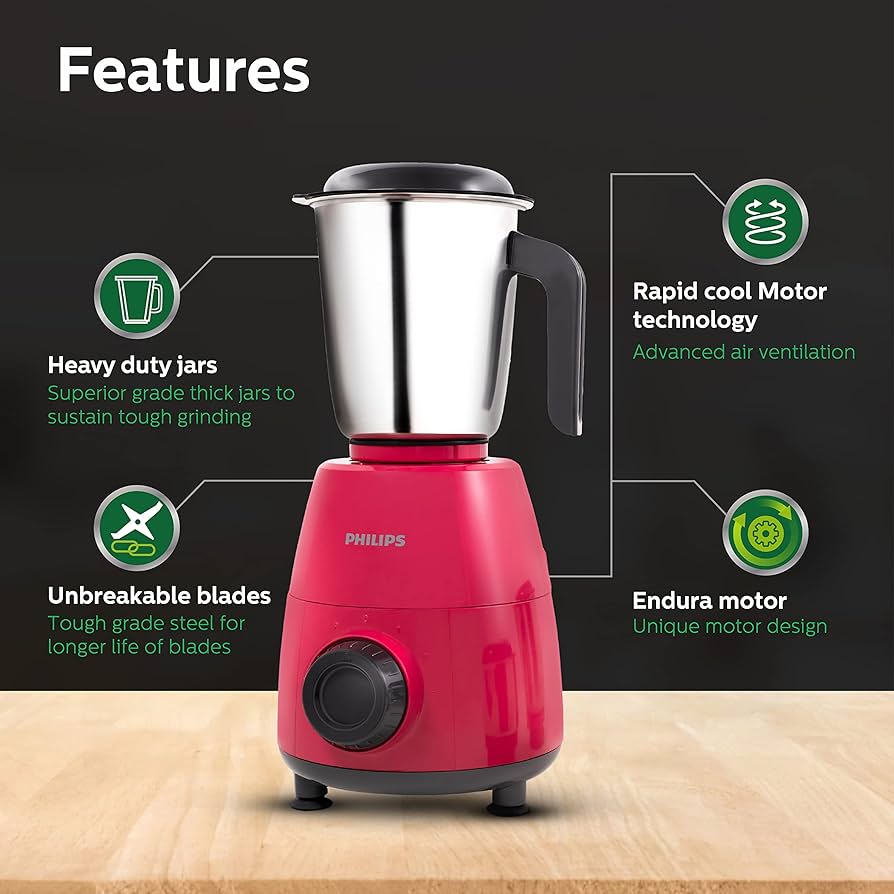
Philips HL7505 Hand Blender with Chopper Attachment
- ✓ 500W motor, 2-speed settings
- ✓ Stainless steel chopper for dal grinding
- ✓ 1-litre jug capacity
* We earn a small commission — at no extra cost to you.
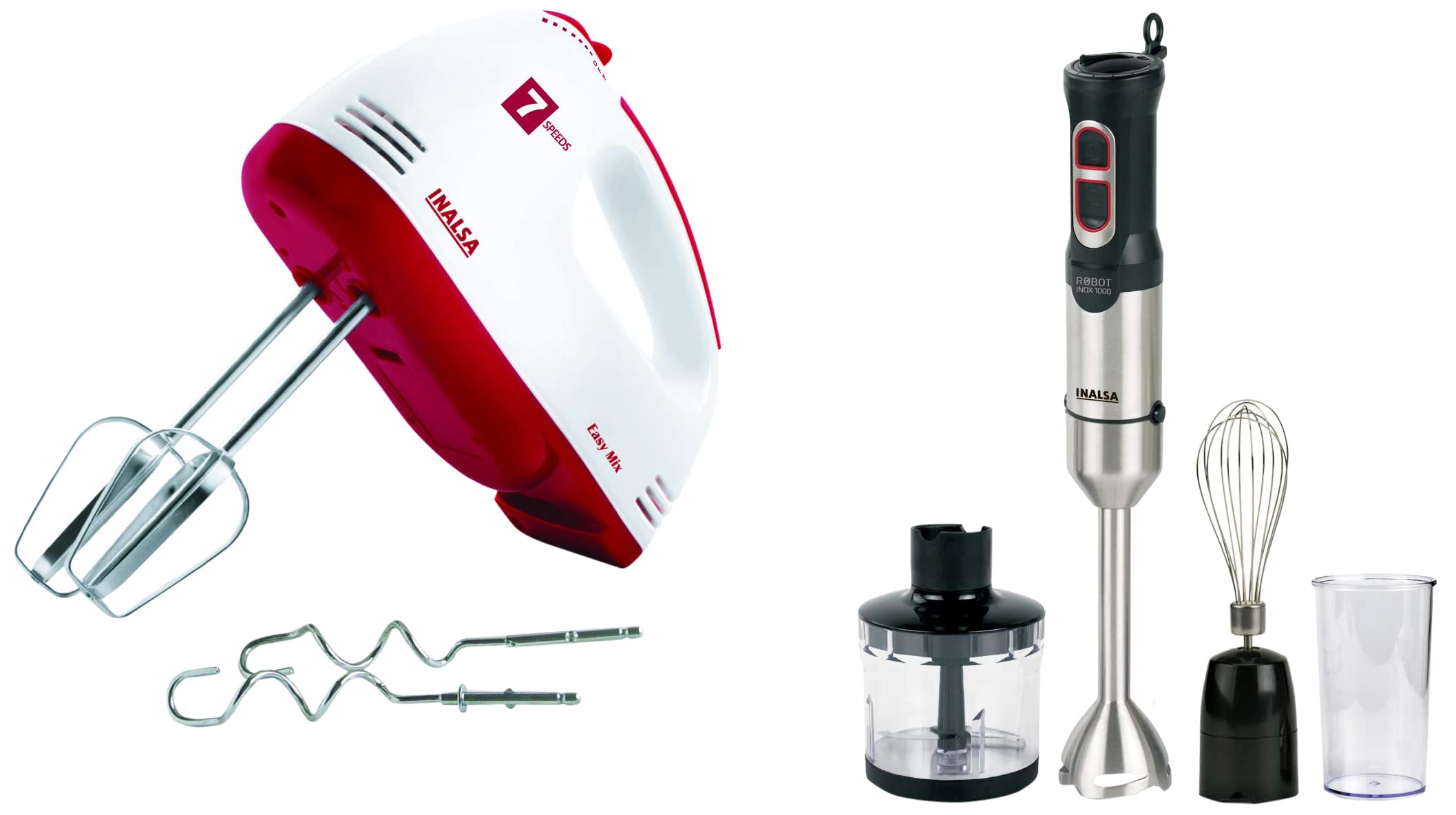
Inalsa Velocity Hand Blender 200W
- ✓ 200W motor, budget-friendly
- ✓ Lightweight, easy to clean
- ✓ Suitable for baby purees and dal grinding
* We earn a small commission — at no extra cost to you.
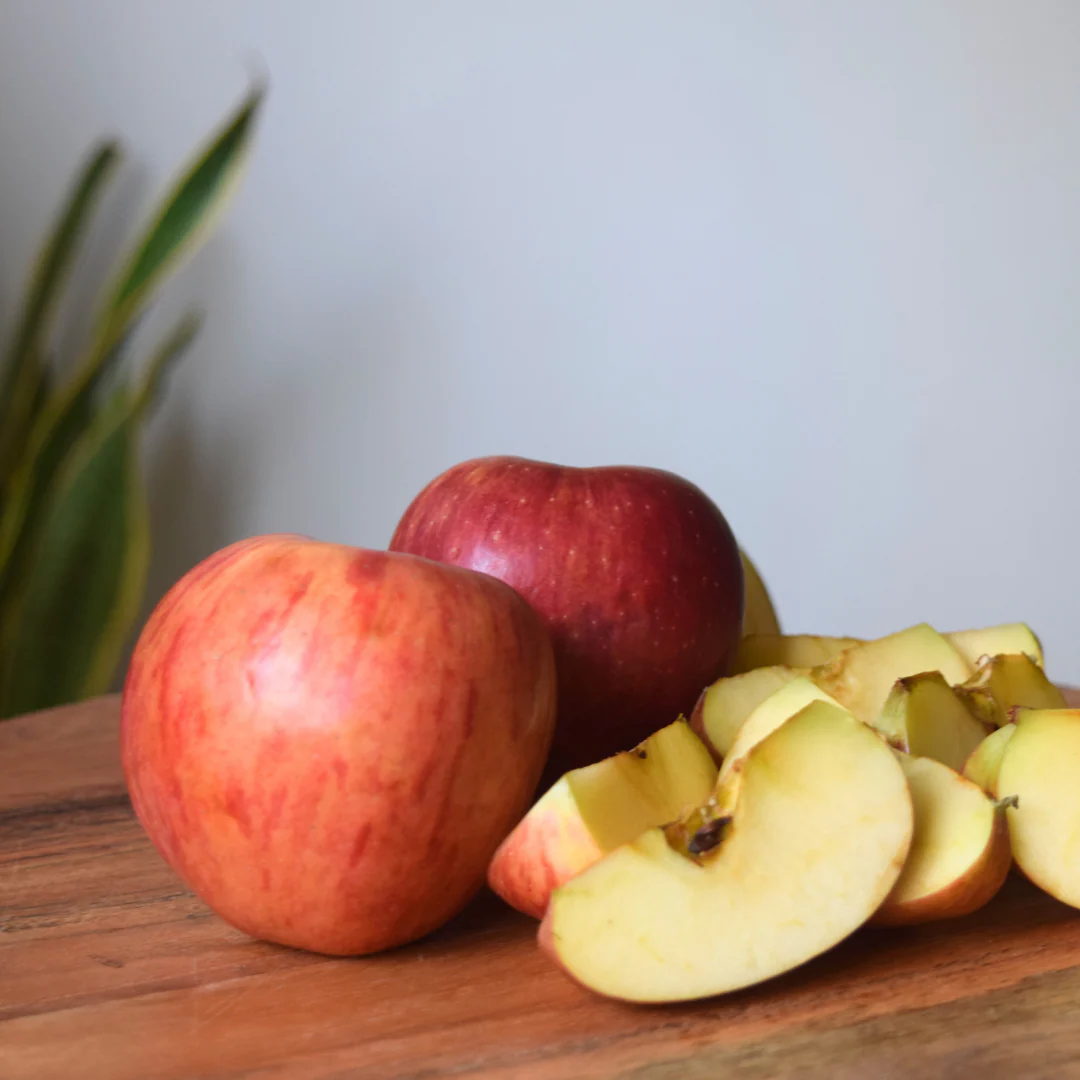
The Better Home Organic Uttarakhand Apples - Pack of 6
- ✓ Vacuum-sealed packaging
- ✓ Sourced from Uttarakhand orchards
- ✓ Approximately ₹103 per piece
* We earn a small commission — at no extra cost to you.