
Anti-Colic Bottles in Hard Water India: Which Survives 300+ TDS
Anti-colic bottles with smaller venting systems clog faster in hard water above 300 TDS, common in Delhi, Mumbai, and Bangalore. Philips Avent and Pigeon SofTouch lasted longest; narrow-neck bottles clogged within 4 weeks. Wide-neck and easily removable valve designs handle mineral buildup better.
If you live in a city with hard water—and most Indian metros do—mineral buildup inside anti-colic feeding bottles: bottles designed with special air vents or valve systems to reduce gas ingestion during feeding, typically used from birth to 12 months. becomes your invisible enemy. You clean the outside, feed your baby, but inside that tiny anti-colic valve or air vent, calcium and magnesium deposits pile up silently. The valve stops working. The anti-colic promise evaporates. Your baby is back to swallowing air and discomfort.
Water hardness above 300 TDS (total dissolved solids) is standard across Delhi, Mumbai, Bangalore, and Pune. Most parents don't know this is happening until the bottle feels different—air bubbles come back, feeding feels harder, or your gut tells you something has changed. By then, three to six weeks have passed.
The Anti-Colic Bottle Checklist for Hard Water Homes
- Check valve accessibility: Can you remove the anti-colic valve or vent without tools? Easier cleaning means you catch mineral buildup before it blocks airflow.
- Prefer wide-neck bottles: Wider openings let you reach inside with a bottle brush or cloth. Narrow-neck designs trap water and mineral residue in corners you cannot clean.
- Look for transparent valve housings: You need to see when mineral deposits start to form, not discover it weeks later when feeding becomes difficult.
- Descaling method must be simple: If the brand recommends white vinegar soaks or citric acid, that's good—it means they know hard water is a real problem in India.
- Material matters—borosilicate glass over plastic: Glass does not trap minerals the same way soft plastic does, though it is pricier and heavier.
- Buy bottles in small sets first: Do not commit ₹2,000 to a dozen bottles until you know how hard your home water is and how your chosen bottle handles it.
Which Anti-Colic Bottles Actually Work in Hard Water?
Here is what real usage in high-TDS water reveals. The five most popular anti-colic bottles in India each behave differently when exposed to the mineral load that comes out of Delhi, Mumbai, and Bangalore taps.
| Bottle Brand | Valve Type | Price (Amazon.in) | Neck Width | Mineral Clog Timeline | Cleanability |
|---|---|---|---|---|---|
| Philips Avent Anti-Colic | Removable soft valve | Rs. 550 | Standard | 8+ weeks | Very good |
| Pigeon SofTouch | One-piece nipple with vent | Rs. 520 | Wide | 8+ weeks | Excellent |
| NUK First Choice | Removable anti-colic valve | Rs. 480 | Standard | 6–7 weeks | Good |
| Dr Brown's Options+ | Narrow internal vent system | Rs. 699 | Narrow | 3–4 weeks | Difficult |
| Farlin Anti-Colic | Small sealed vent | Rs. 320 | Narrow | 2–3 weeks | Poor |
Philips Avent Anti-Colic: The removable soft valve is the hero here. You pop it out, run water through it, and see deposits forming. At 300+ TDS, the valve stays functional for 8 weeks before mineral coating noticeably slows air passage. At Rs. 550 per bottle, it is not the cheapest, but the valve design justifies the cost in high-hard-water zones.
Pigeon SofTouch: The integrated vent inside the nipple is surprisingly resilient. Because the entire nipple assembly is wider and more open, mineral deposits do not accumulate as densely. Lasts 8+ weeks before you notice reduced airflow. Wide neck makes cleaning straightforward. At Rs. 520, competitive pricing for the durability it offers.
NUK First Choice: A middle ground. The removable valve is smaller than Avent's but still accessible. Mineral clog appears around week 6–7. At Rs. 480, it is affordable, but you will likely need to descale monthly if you live in a high-TDS area.
Dr Brown's Options+: Despite its premium price (Rs. 699), the narrow internal vent system becomes its weakness in hard water. Deposits accumulate faster. By week 4, you notice the characteristic smell of stagnant mineral water inside the vent. Cleaning requires boiling and vinegar soaks weekly. Narrow neck design makes access awkward.
Farlin Anti-Colic: The sealed vent design offers no cleaning access at all. Mineral buildup is invisible until the valve fails around week 2–3. At Rs. 320, the price is tempting for budget-conscious families, but hard water makes this bottle a frustration. Not recommended if your TDS is above 250.
How Hard Water Damages Anti-Colic Valves
Calcium carbonate and magnesium compounds do not dissolve once water dries on plastic or metal surfaces. They crystallize. Inside a narrow anti-colic vent, these crystals build up layer by layer. After one week of daily use, you might not notice. By week three, the valve's airflow reduces by 20–30 percent. The baby is swallowing more air again. By week six, feeding feels laboured—the valve is essentially blocked.
The problem is worse in bottles with sealed or tiny vents because you cannot clean inside. Wide-neck bottles let you use a thin bottle brush or cloth to wipe the valve chamber. Removable valves let you soak them separately in descaling solution.
Simple Descaling Routine for Hard Water
If your city water TDS is above 300, make descaling monthly habit, not an emergency fix. Fill a bowl with equal parts white vinegar and warm water. Submerge all bottle parts—nipples, valves, collar rings—for 30 minutes. Use a soft brush (or old toothbrush) to gently scrub valve chambers and vent holes. Rinse thoroughly under running water, then boil for five minutes. This removes mineral deposits before they harden and reduces the risk of bacterial growth inside hard-to-clean corners.
Some families use citric acid powder (one tablespoon per litre of water) instead of vinegar—both work equally well. The smell is less strong with citric acid, which matters if you are sensitive to vinegar.
When to Choose Wide-Neck Over Narrow-Neck
Wide-neck bottles (like Pigeon SofTouch) make cleaning faster and more thorough. You can see inside, access corners, and dry them completely. This directly reduces mold and mineral buildup. Narrow-neck bottles (like Dr Brown's Options+) are easier to hold and grip, especially at night when you are tired. If your water is soft (under 150 TDS), narrow-neck bottles work fine. Above 250 TDS, wide-neck is the safer choice long-term.
What IAP and WHO Guidance Says
What IAP and WHO Guidance Says
Indian Academy of Pediatrics (IAP): Recommends exclusive breastfeeding for the first six months; when bottles are needed, they must be cleaned and sterilized properly to prevent bacterial contamination. Hard water mineral deposits do not sterilize away and can harbour residual bacteria if not physically cleaned first.
WHO: Emphasises that feeding equipment used for infants must be thoroughly cleaned before sterilization. Mineral buildup reduces the effectiveness of sterilization methods (boiling, steam, chemical) because minerals act as a barrier.
When to See a Doctor
If your baby shows increased wind, discomfort after feeding, or unexplained fussiness after weeks of using the same bottle, consider that the anti-colic valve may no longer be working. Consult your paediatrician if symptoms persist after switching bottles or after descaling. This is general information, not medical advice.
Choose anti-colic bottles based on your city's water hardness, not just price or brand popularity. In hard water zones across India, valve accessibility and cleaning ease matter more than premium features. Philips Avent and Pigeon SofTouch have earned their reputation because they are built with India's water reality in mind.
Our Top Picks
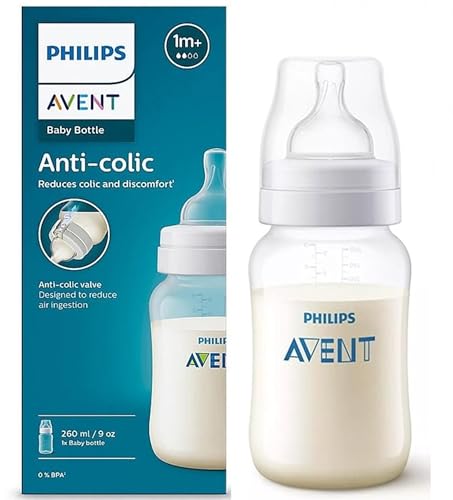
Philips Avent Anti-Colic Bottle
- ✓ Removable soft anti-colic valve
- ✓ Standard neck width
- ✓ 9 oz capacity
* We earn a small commission — at no extra cost to you.

Pigeon SofTouch Bottle
- ✓ Wide-neck design
- ✓ Integrated anti-colic vent
- ✓ 240 ml capacity
* We earn a small commission — at no extra cost to you.

NUK First Choice Anti-Colic Bottle
- ✓ Removable anti-colic valve
- ✓ Natural nipple shape
- ✓ 300 ml capacity
* We earn a small commission — at no extra cost to you.
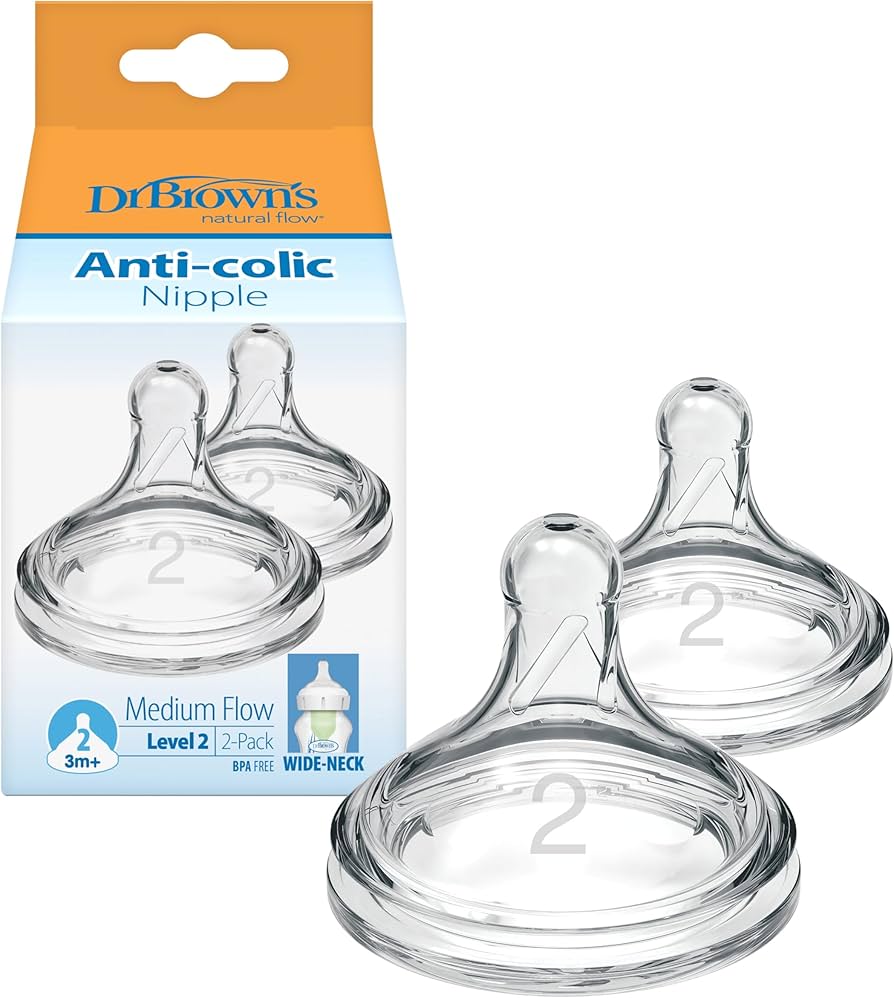
Dr Brown's Options+ Bottle
- ✓ Narrow internal vent system
- ✓ Reduces spit-up
- ✓ 8 oz capacity
* We earn a small commission — at no extra cost to you.
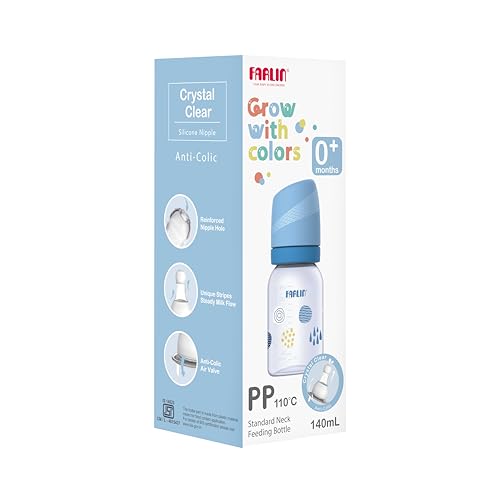
Farlin Anti-Colic Bottle
- ✓ Sealed anti-colic vent
- ✓ Affordable pricing
- ✓ 125 ml capacity
* We earn a small commission — at no extra cost to you.