
Age-Wise Guide to Sensory Toys for Babies: Birth to 24 Months
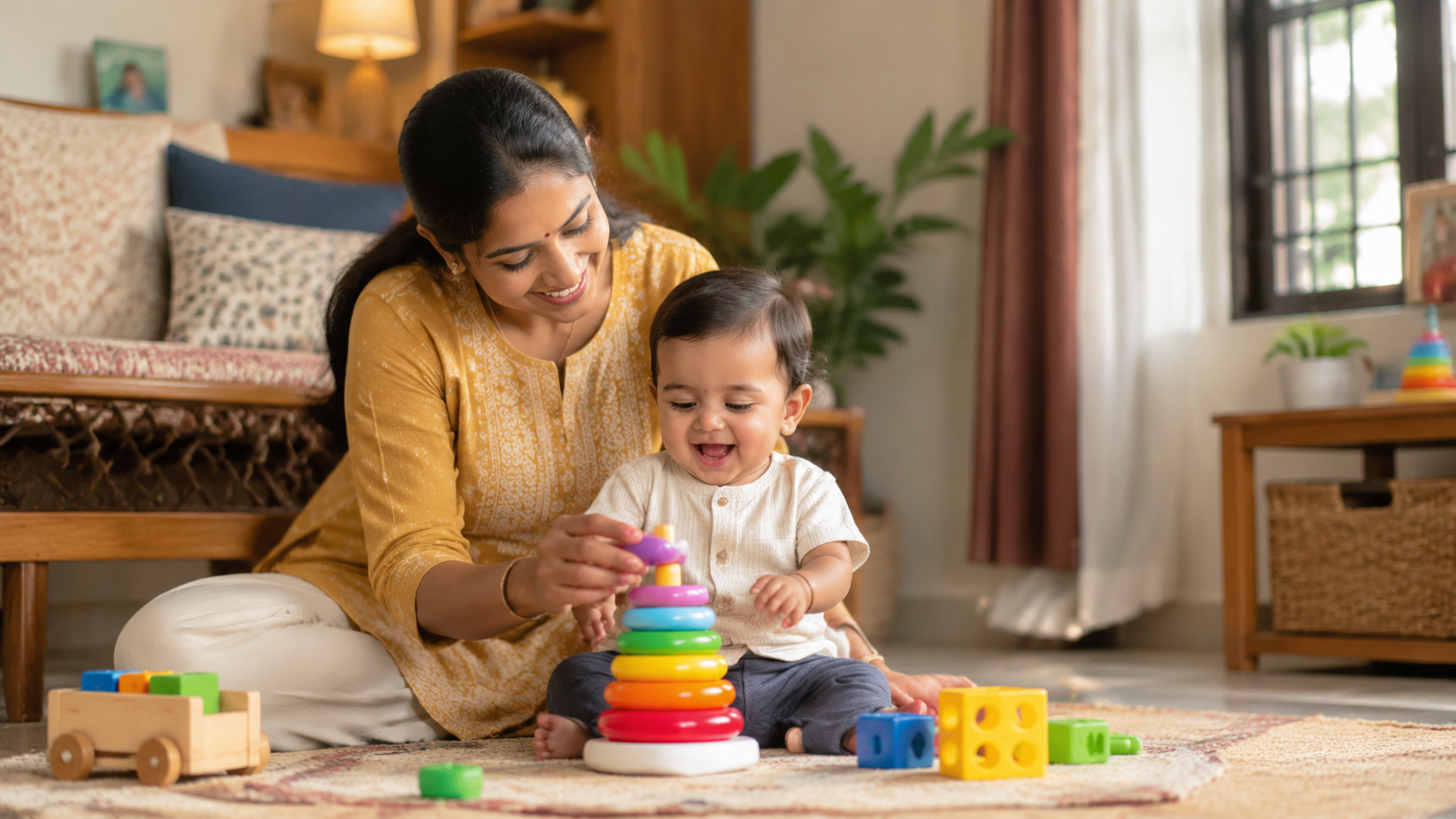
Sensory toys should match your baby's developmental stage: 0-6 months focus on high-contrast visuals and soft sounds, 6-12 months introduce varied textures and cause-effect, 12-18 months add stacking and problem-solving, and 18-24 months encourage imaginative play with blocks and shape sorters. Choose BIS-certified toys with no small parts for children under 3 years.
When my daughter was four months old, she spent twenty minutes completely mesmerized by a black-and-white contrast card - just staring, occasionally kicking her legs in excitement. Three months later, that same card sat ignored while she obsessively squeezed every textured ball she could grab. That's when I understood that sensory toys for babies by age aren't just a marketing gimmick - they're actually backed by how infant brains develop.
The Indian Academy of Pediatrics recommends developmental screening at 9, 18, and 30 months, and the right sensory toys can support each milestone window. But walk into any toy store in Mumbai or Bengaluru, and you'll find everything labeled "0-3 years" - not exactly helpful when your 7-month-old needs something different than your friend's 20-month-old.
Sensory play: activities that stimulate one or more of a baby's five senses (sight, sound, touch, taste, smell) to build neural pathways that support learning, motor skills, and problem-solving. Research published in the Indian Journal of Pediatrics shows that structured sensory activities between 6-24 months correlate with better fine motor outcomes at age 3.
This guide breaks down exactly which sensory toys work at which age, based on developmental milestones, safety standards, and what actually survives the Mumbai humidity and daily floor drops. I've watched my own children and half the babies in our Pune apartment complex test these categories.
For this guide, we're featuring the Fisher-Price Sensory Activity Toy, Wishkey Montessori Sensory Balls, Playhood Wooden Stacking Rings, and Ratna's Educational Blocks - all widely available on Amazon.in and tested across different age groups.
Understanding Sensory Development: Birth to 24 Months
Babies aren't born with fully developed senses. Vision reaches adult levels only around age 1, while touch and hearing mature faster. This staggered development explains why a rattle works brilliantly at 3 months but bores a 15-month-old.
Here's what happens in each sensory system during the first two years:
- Vision (0-6 months): Newborns see clearly only 8-12 inches away - exactly the distance to your face during feeding. They prefer high-contrast patterns (black-white-red) because their retinas can't yet process subtle color variations. By 6 months, full color vision develops.
- Touch (0-12 months): Babies explore through touch before they can grasp intentionally. Textured toys build tactile discrimination - the ability to tell smooth from rough, soft from hard. The IAP notes that varied tactile input supports fine motor skill development.
- Hearing (0-24 months): Babies respond to sound from birth but can't locate sound sources accurately until 6 months. Gentle rattles and crinkle sounds teach cause-effect: "I shake this, sound happens."
- Proprioception (6-24 months): This is body awareness - knowing where your limbs are in space. Stacking toys, push-pull toys, and anything requiring coordinated movement builds this sense.
The key insight: match the toy complexity to the sense that's actively developing. A 4-month-old gains nothing from a shape sorter, but a 16-month-old will work at it for twenty minutes straight.
Sensory Toys for Babies by Age: 0-6 Months
This stage is all about passive sensory input - babies observe more than they manipulate. Vision and hearing dominate. The WHO guidelines on early childhood development emphasize that even newborns benefit from visual stimulation during awake periods.
What to Look For
- High-contrast patterns (black, white, red)
- Soft sounds - rattles under 70 decibels
- Lightweight toys they can accidentally bat
- Soft textures safe for mouthing (starts around 4 months)
- No small parts - BIS standards prohibit parts under 31.7mm diameter for age 0-3 years
The Fisher-Price Sensory Activity Toy works well here. At Rs. 899, it includes crinkle fabrics, a safe mirror, and high-contrast patterns. My son spent tummy time just staring at the mirror panel at 3 months - babies are fascinated by faces, even their own.
What Happens Developmentally
Between 0-3 months, babies track moving objects and turn toward sounds. By 4-6 months, they reach intentionally and bring objects to their mouth. Sensory toys bridge these milestones - a dangling rattle encourages reaching, a textured teether satisfies the mouthing urge that peaks around 5 months.
During Delhi and Chennai summers when outdoor play isn't feasible before 6 PM, these toys keep babies engaged during floor time indoors.
Sensory Toys for Babies by Age: 6-12 Months
This is the texture exploration and cause-effect phase. Babies sit independently (around 6-7 months), develop pincer grasp (8-9 months), and become obsessed with making things happen. Drop a toy? They'll watch where it goes. Shake a rattle? They'll shake it forty more times.
What to Look For
- Varied textures: bumpy, smooth, fabric, wood, silicone
- Cause-effect toys: squeeze for sound, shake for rattle
- Stackable items (even if they just knock them down)
- Toys that survive mouthing - everything goes in the mouth until 12 months
- Easy-to-grasp shapes
The Wishkey Montessori Sensory Balls set (Rs. 549) is perfect here. Six balls with different textures - one has nubs, another is smooth, one crinkles. My daughter at 8 months would methodically mouth each one, squeeze it, drop it, retrieve it. That's sensory learning happening in real time.
Developmental Milestones to Support
The IAP's developmental screening checklist for 9 months includes "transfers objects hand to hand" and "explores objects in different ways (shaking, banging, dropping)". Sensory balls, soft blocks, and activity cubes all encourage this exploration.
By 10-12 months, babies understand object permanence - things exist even when hidden. Simple pop-up toys or fabric books with flaps teach this concept.
| Age | Primary Sense | Toy Type | Example | Price Range |
|---|---|---|---|---|
| 0-6 months | Vision, Hearing | High-contrast cards, soft rattles | Fisher-Price Sensory Activity Toy | Rs. 700-1200 |
| 6-12 months | Touch, Cause-Effect | Textured balls, squeeze toys | Wishkey Sensory Balls | Rs. 400-800 |
| 12-18 months | Problem-Solving, Motor | Stacking rings, shape sorters | Playhood Wooden Stacking Rings | Rs. 600-1000 |
| 18-24 months | Imagination, Coordination | Blocks, simple puzzles | Ratna's Educational Blocks | Rs. 400-900 |
Sensory Toys for Babies by Age: 12-18 Months
Welcome to the problem-solving phase. Toddlers this age walk independently (most by 15 months), use simple gestures, and love figuring out how things work. Stacking, nesting, and sorting become fascinating.
What to Look For
- Stacking toys with graduated sizes
- Shape sorters with 3-4 basic shapes
- Push-pull toys that respond to movement
- Simple puzzles (3-4 large pieces)
- Toys that teach spatial relationships
The Playhood Wooden Stacking Rings (Rs. 699) are a classic for a reason. Five colored rings stack on a wooden post. Sounds simple, but a 14-month-old learning size sequencing will work at this repeatedly. Plus, wood survives Jaipur heat and Lucknow winters better than cheap plastic.
Why This Stage Matters
Between 12-18 months, the prefrontal cortex - the brain's problem-solving center - develops rapidly. Toys that require trial and error build frustration tolerance and spatial reasoning. The IAP's 18-month screening includes "stacks 2-4 blocks" - stacking rings teach exactly this skill.
This is also when imaginative play begins. A block isn't just a block; it's a phone, a car, a piece of food. Ratna's Educational Blocks (Rs. 450) work beautifully here - large enough for safe stacking, colorful enough to hold attention, and cheap enough that you won't cry when one inevitably goes missing.
Sensory Toys for Babies by Age: 18-24 Months
This stage combines everything: sensory input, motor skills, problem-solving, and early pretend play. Toddlers speak 10-50 words, follow simple instructions, and play alongside other children (parallel play).
What to Look For
- Building blocks (10-20 pieces)
- Shape sorters with 5+ shapes
- Simple musical instruments (drums, shakers)
- Activity boards with latches, zippers, buttons
- Large crayons for supervised scribbling
By 20 months, my son could stack eight blocks and got genuinely upset when his tower fell - that's executive function development. Ratna's Educational Blocks have been in our house since he was 16 months and they're still in daily rotation at 26 months.
The Role of Open-Ended Toys
Open-ended toys: items without a single correct way to play, allowing children to use them creatively across developmental stages. Blocks, balls, and stacking cups fall into this category and offer better value than single-function toys.
A 2019 study in Pediatrics journal found that children with fewer, simpler toys engaged in longer, more creative play sessions than those with many complex toys. In practical terms: ten good blocks beat three battery-operated toys.
What Paediatricians Say
Dr. Meera Luthra, a developmental pediatrician I consulted in Bengaluru, puts it simply: "Sensory play isn't optional - it's how babies learn everything." She emphasizes that the best sensory toys are often the simplest ones that grow with the child.
Key expert recommendations:
- Safety first always: The IAP advises checking for BIS certification (ISI mark) on all toys for children under 3. Toys should have no parts smaller than 31.7mm diameter and no sharp edges.
- Rotation over accumulation: Keep 5-7 toys accessible, rotate weekly. Too many choices overwhelm infants and reduce focused play time.
- Supervise mouthing: Until 18 months, assume everything goes in the mouth. Wash sensory toys weekly with mild soap - Chennai and Mumbai humidity makes toys a breeding ground for mold.
Dr. Luthra notes that the WHO recommends at least 30 minutes of supervised floor play daily for infants - sensory toys make that time developmentally productive rather than just entertaining.
How to Choose Sensory Toys: Practical Checklist
Standing in the toy aisle (or scrolling Amazon.in at 11 PM - no judgment), use this checklist:
- Age-appropriate complexity: Can your baby actually use this toy right now, or are you buying for three months from now?
- Multi-sensory engagement: Does it stimulate at least two senses? Best toys combine visual, tactile, and auditory elements.
- Durability: Will it survive daily drops on tile floors? Wood and thick plastic outlast thin, brittle materials.
- Safety certification: Look for the ISI mark (BIS certification). Import toys should meet IS 9873 standards for toy safety.
- Cleanability: Can you wipe it down or wash it? Babies drool on everything.
- No batteries required: Battery toys often offer less open-ended play. A simple wooden rattle gets more mileage than a flashing plastic one.
- Value for age range: Will they use it for 2 months or 12 months? Blocks last years; a specific rattle lasts weeks.
Common Mistakes Parents Make (I've Made Most of These)
Buying too advanced: That complex activity cube looks amazing, but if your 5-month-old can't sit independently, it'll sit unused for months. I bought stacking cups at 4 months; my son ignored them until 9 months, then suddenly loved them.
Overloading on single-function toys: A toy that only does one thing gets boring fast. A ball that just lights up? Two days of interest. A textured ball they can roll, throw, squeeze, mouth? Six months of use.
Ignoring safety standards: Amazon.in sellers sometimes list products without proper certification. Check reviews mentioning safety, and avoid toys with small detachable parts for babies under 3 years - the IAP reports that choking is among the top 5 home accidents for this age group.
Expecting immediate engagement: Sometimes babies need time to understand a toy. My daughter ignored her stacking rings for two weeks, then suddenly figured them out and played for thirty minutes straight.
Budget-Friendly Sensory Play Ideas
Not everything needs to be purchased. Some of the best sensory experiences cost nothing:
- Fabric scraps: Collect different textures - cotton, silk, wool. Let babies touch and explore under supervision.
- Kitchen items: Metal bowls and wooden spoons make excellent first instruments. My son at 11 months loved banging spoons on pots more than his actual toy drum.
- Water play: A plastic tub with 2 inches of water and some cups provides excellent sensory input for babies 10+ months (always supervise).
- Homemade sensory bottles: Clear plastic bottles filled with rice, lentils, or water with food coloring. Secure the lid with strong tape.
- Cardboard boxes: Babies 12+ months love climbing in and out, pushing, and exploring boxes.
That said, well-made commercial toys offer developmental benefits that random household items don't always provide - especially the graduated sizing in stacking toys or the specific textures in sensory ball sets.
Maintaining and Rotating Sensory Toys
Toy rotation changed everything in our house. Instead of all toys out all the time (leading to overwhelm and constant mess), we keep 5-6 toys accessible and swap them weekly.
How to rotate effectively:
- Divide toys into 3-4 bins by type (sensory/texture, stacking/building, cause-effect, pretend play)
- Each week, swap one bin
- "New" old toys get fresh interest - my daughter rediscovered her sensory balls after a three-week break
- Store out-of-rotation toys where children can't see them
Cleaning schedule: Wipe hard toys with diluted vinegar solution weekly, especially during monsoon season when mold grows fast. Fabric toys go in a mesh laundry bag for monthly washing. Wooden toys get wiped, never soaked - water damages the finish.
When to Upgrade or Move On
You'll know it's time for the next developmental stage when:
- Your baby shows clear disinterest for 7+ days despite rotation
- They've mastered the toy's challenge (stacking all rings correctly, sorting all shapes quickly)
- They use the toy in unintended ways (bashing it, throwing it) out of boredom rather than exploration
- They've hit the next developmental milestone on the IAP screening checklist
But don't rush it. My son used those Wishkey sensory balls from 7 months to 18 months - first mouthing, then squeezing, then throwing and retrieving, then sorting by texture. Good sensory toys grow with babies.
Our Top Picks
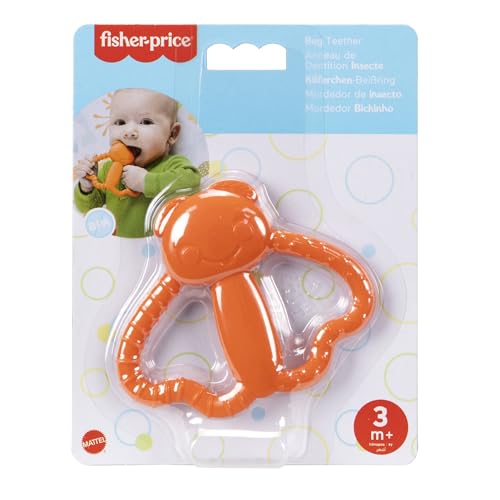
Fisher-Price Sensory Activity Toy for Newborn Baby
- ✓ High-contrast patterns for 0-6 months
- ✓ Crinkle fabric and safe mirror panel
- ✓ BIS certified, BPA-free materials
* We earn a small commission — at no extra cost to you.
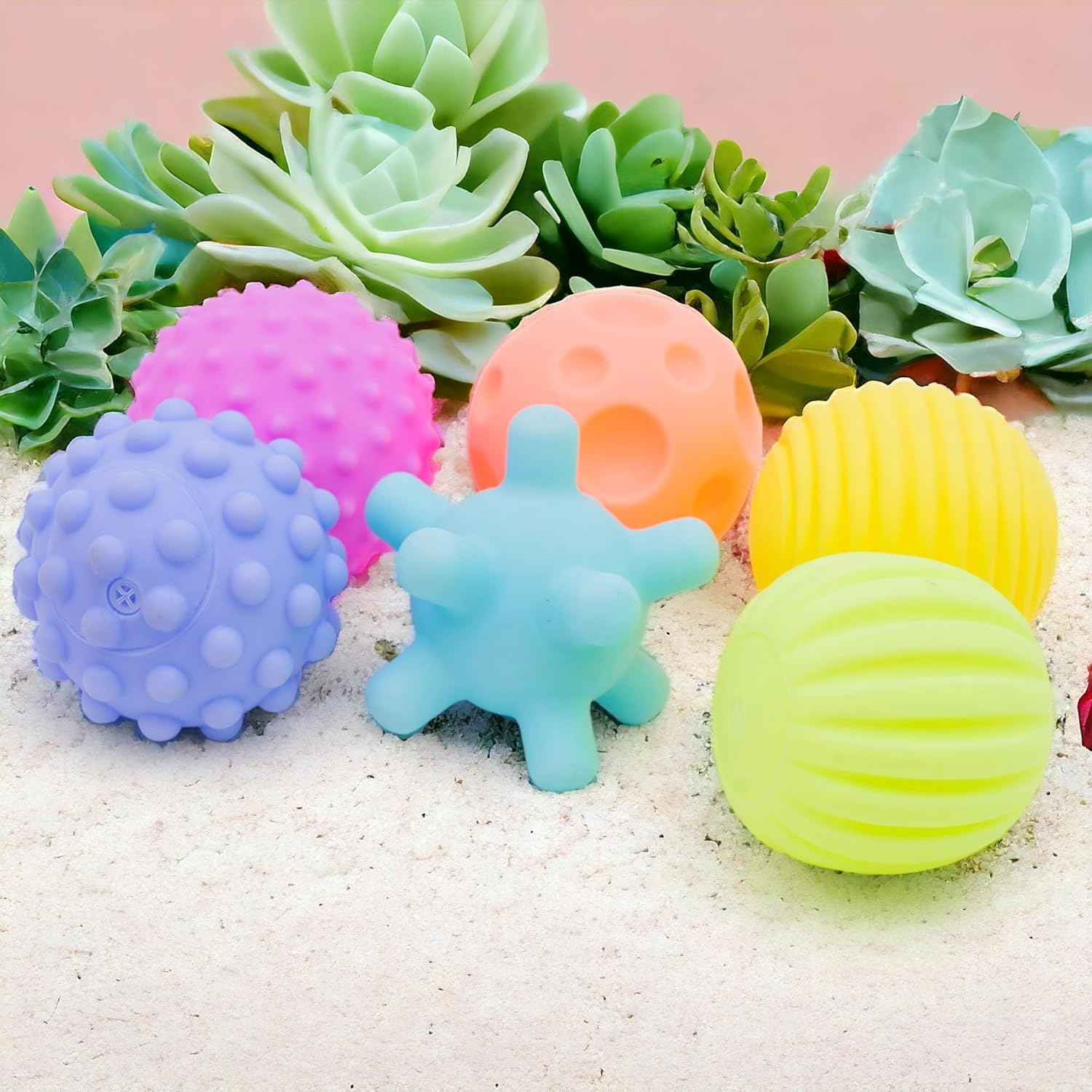
Wishkey Montessori Sensory Balls Set of 6 Multi Textured
- ✓ 6 different textures for tactile development
- ✓ Soft silicone safe for mouthing
- ✓ Suitable for 6-18 months
* We earn a small commission — at no extra cost to you.
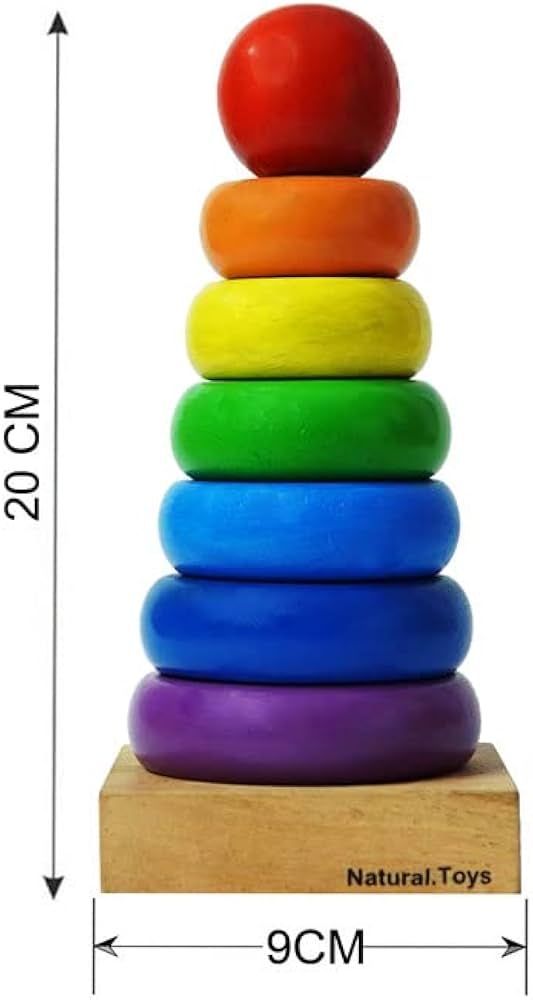
Playhood Wooden Rainbow Stacking Rings Toy
- ✓ 5 graduated wooden rings teach size sequencing
- ✓ Non-toxic paint, smooth finish
- ✓ Ideal for 12-24 months
* We earn a small commission — at no extra cost to you.
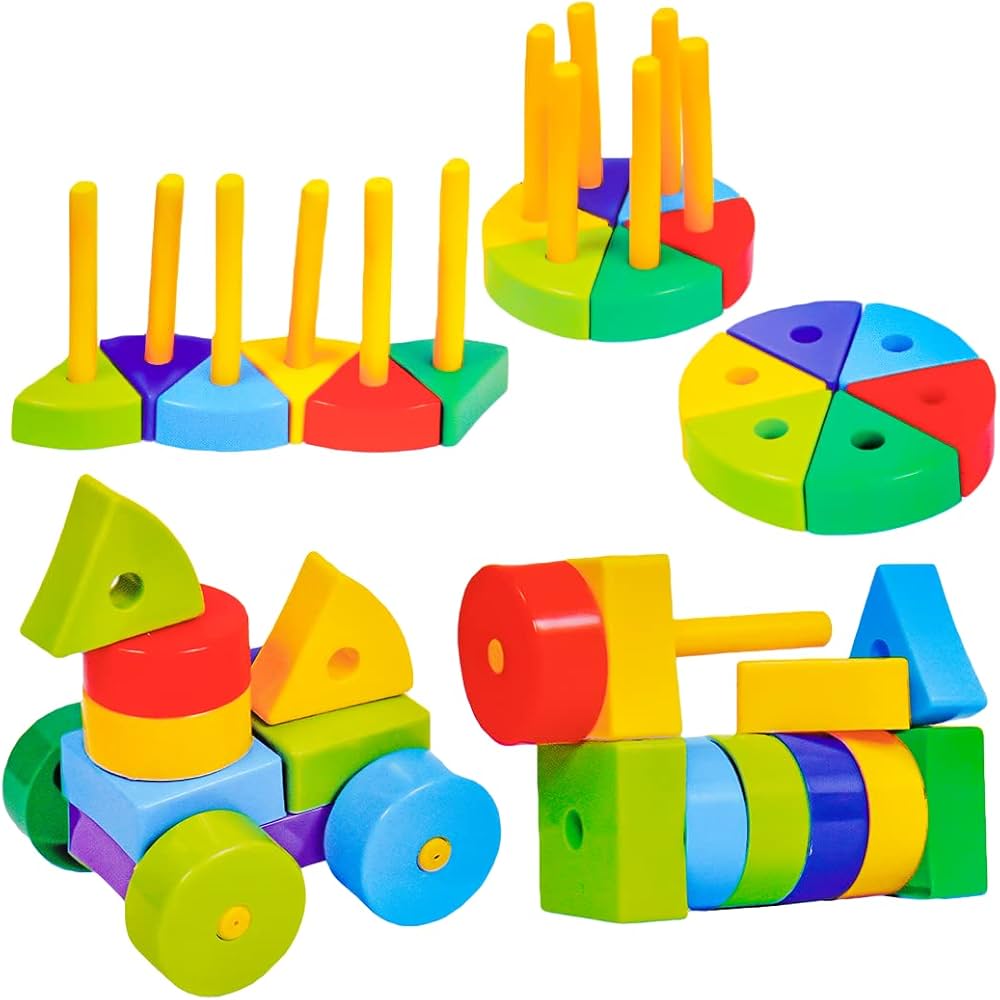
Ratna's Educational Colorful Building Blocks
- ✓ 20 large blocks safe for toddlers
- ✓ ISI certified, durable plastic
- ✓ Supports 18+ months imaginative play
* We earn a small commission — at no extra cost to you.